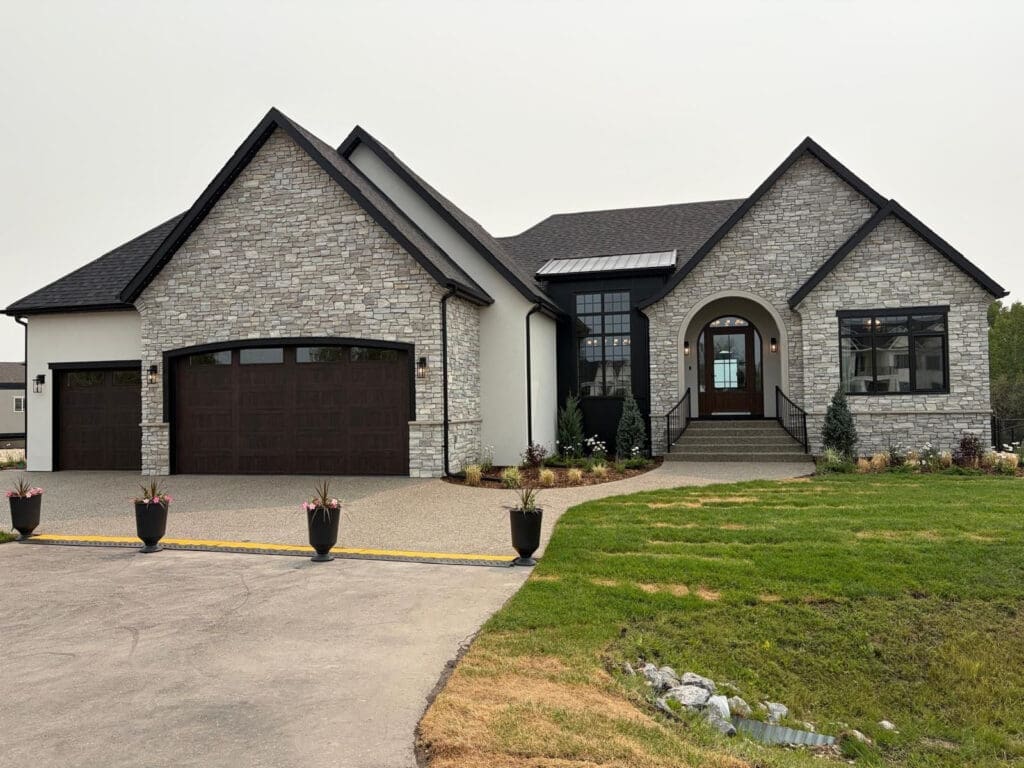
Wooden Windows vs uPVC
Comparing Cost, Longevity, Repairability and Whole-Life Sustainability


Choosing between wood and uPVC (aka PVC or vinyl) windows usually comes down to upfront cost, and on that measure uPVC almost always wins. What gets left out of that comparison is what happens after installation, over 10, 20 or 50 years, when durability, repair costs and end-of-life disposal start to matter far more than the initial invoice. Looked at over the full lifespan of a window, the two materials behave very differently.
Lifespan Isn’t Close
uPVC frames typically have a service life of around 20 to 30 years, after which deterioration, discolouration, distortion or failures of components may make replacement more practical than repair. Well-maintained timber sash windows, by contrast, can last for several decades and, in the case of high-quality traditional windows, well over a century. Many original Georgian and Victorian timber windows remain in service today, with their longevity supported by regular repainting, maintenance and periodic joinery repairs. The substantial difference in potential lifespan can change the long-term cost calculation, particularly when the replacement cycles of uPVC windows are considered over several decades.
Repair Versus Replace
This is where the two materials diverge most sharply. Wood is a repairable material by nature. A rotten section of a sill or a cracked glazing bar can usually be cut out and spliced with new timber, restoring the frame without touching the rest of the window.

Get the Green Building Project Checklist
Use this handy checklist on your next project to keep track of all the ways you can make your home more energy-efficient and sustainable.
uPVC does not offer the same degree of repairability. While individual components such as hardware, seals and glazing can often be replaced, damage or deterioration to the frame itself can be difficult to repair economically, and complete replacement is often the practical solution.
For homeowners thinking in decades rather than years, that difference in repairability can have a significant impact on long-term costs, even though it may not feature prominently in the initial purchase price.
Cost of Wood vs uPVC Windows
Frame material is one of the biggest cost levers in any window replacement. uPVC (vinyl) frames typically run 20 to 40 percent less than wood for a comparable window size, which is a major reason vinyl dominates residential construction across the country. Wood costs more upfront but when you take longevity into account it’s a different story.
| Window Type | Cost (Installed, CAD) |
|---|---|
| uPVC / Vinyl | $500 – $1,000 |
| Wood | $800 – $1,500 |
| Whole-home replacement, vinyl (10–15 windows) | $7,000 – $11,000 |
| Whole-home replacement, wood (10–15 windows) | $10,000 – $15,000 |
What Happens At End Of Life
Disposal is the part of this comparison that gets the least attention, and it shouldn’t. uPVC is not widely recyclable in practice, despite being technically recyclable in theory, and the vast majority of old uPVC window frames end up in landfill. That’s the case whether it’s in Canada, US, UK or wherever. The result is a mass of waste material that can take centuries to break down.
Timber, by comparison, is biodegradable and, where FSC-certified sourcing has been used, comes from a renewable and responsibly managed supply chain in the first place. Even at the point of replacement, timber frames can often be repurposed, reclaimed or safely disposed of without the same long-term environmental burden.
Embodied Carbon And Manufacturing Impact
Manufacturing uPVC is an energy-intensive, petrochemical-based process, and the carbon cost of producing a frame is considerably higher than that of sourcing and machining timber, particularly when the timber comes from certified, sustainably managed forestry. Because uPVC frames need replacing more frequently, that higher manufacturing footprint is effectively repeated every couple of decades, compounding the whole-life environmental impact well beyond what a single like-for-like comparison would suggest.
Maintenance Reality, Not Marketing
uPVC is often marketed as maintenance-free, which is only partly accurate. The frames don’t need repainting, but the mechanisms, seals and hinges still wear and need attention and once discolouration sets in there’s no way to restore the original finish.
Wood does require periodic maintenance, typically repainting every five to ten years depending on exposure and finish, but that maintenance is exactly what extends its lifespan so significantly. Framed as an investment in longevity rather than an inconvenience, the maintenance argument against wood looks considerably weaker than it’s often presented.
Making An Informed Choice
None of this means uPVC is a poor choice in every context; it has a legitimate place, particularly for budget-constrained projects or properties without conservation restrictions. But framing the comparison purely around purchase price misses most of what actually determines value over time. For homeowners planning to stay in a property for decades, or for anyone renovating a period home where planning rules favour wood in any case, the whole-life picture, covering durability, repairability and disposal, tends to make wood the more sustainable and often more economical choice once the full picture is accounted for.
The most practical approach is to cost both options over a realistic ownership period rather than a single purchase. Adding up the likely number of replacement cycles, repair costs and disposal implications over 50 years gives a far more accurate comparison than the sticker price on day one.
Images from Depositphotos