
Winter Wind Protection
How to Prevent Snow and Ice Buildup at Home

In this weekly Q&A column, retired builder/building inspector Cam Allen answers readers’ questions about home renovation and climate resilient homes. Have a question? Enter it in the form below.
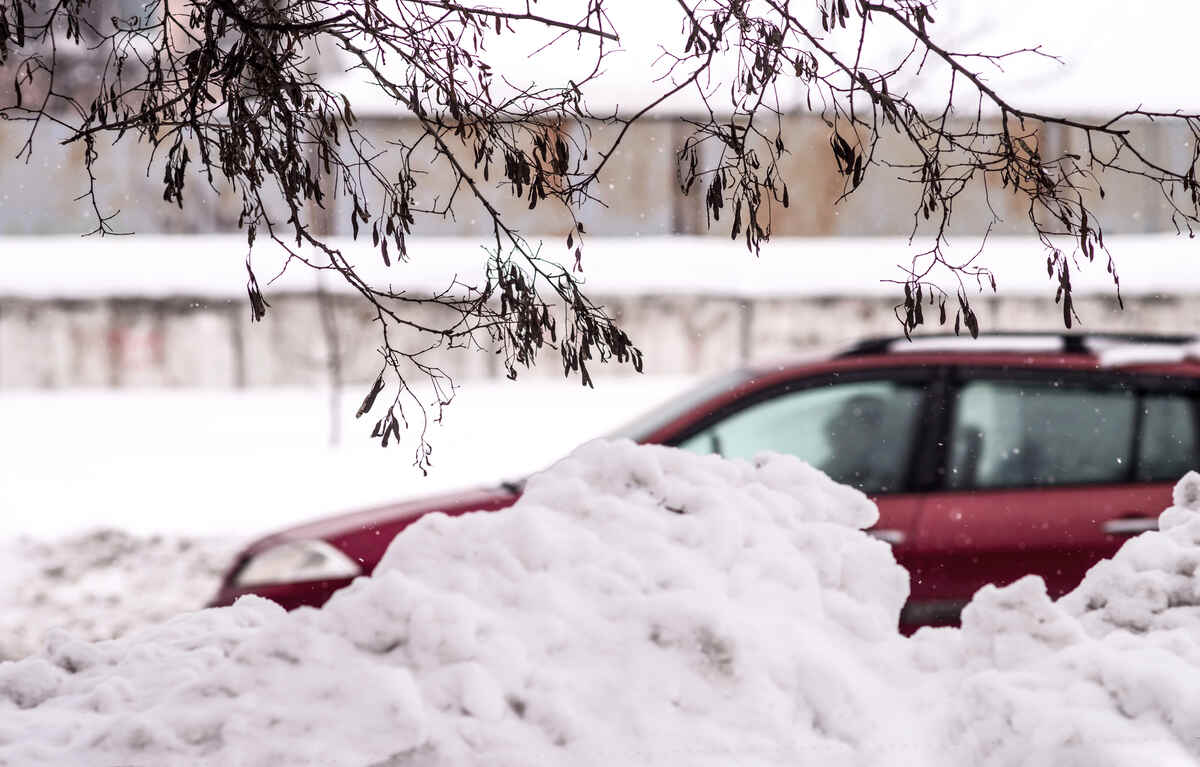
It is almost regular content on the news this fall – reports on the estimated effects of what this extreme El Nino weather may bring. It looks like a late start for winter right now. However they are expecting some major swings in temperatures and storm effects, extreme wind being one weather effect that has been predicted. Managing snow and ice buildup around a home has now become one area we need to be more conscious of in order to make our homes more resilient in the face of climate change.
Snow Fences
There is no one answer for the effects of high wind. In fact, I doubt there is an answer, but there are some areas around a home that should be protected. One method of wind control that we seem to have got away from, especially in Eastern Canada are snow fences. The primary objective to snow fencing is redirecting the wind and anything accompanying it, including freezing rain, hail and snow. While most of the visual effects are the snow drifts, the overall
benefits for a home are significant, especially if you are located in an open lot or rural setting. Properly located it can reduce snow and ice buildup against a building – ice and snow that can become a major drainage issue come spring.
While years ago it was made with wooden slats, today the orange polypropylene fencing you see on some construction sites is suitable. A 50 foot roll runs less than $50 plus half a dozen “T” bar fence stakes with some zip-ties should do. For around $100 you can create quite a difference in the snow buildup around your home.

Managing Snow and Ice Buildup on Vents
In Alberta close to 97 percent of all homes are heated with a forced air
system, the majority are natural gas. This holds true in most provinces now with the Maritimes slowly moving away from their dependence on oil heat. Today’s furnaces all use some manner of sidewall venting, commonly through your foundation. This installation may be 2 white plastic 636 gas pipes, one for
combustion air and one for venting. There is also a pipe that is known as “Concentric” venting. This type of vent is manufactured with the supply and exhaust air contained in one pipe. They started out being used on high efficiency hot water heaters and wall boilers, now some furnaces use them. There are code standards for distance from grade, 18” is the most common height.

Get the Green Building Project Checklist
Use this handy checklist on your next project to keep track of all the ways you can make your home more energy-efficient and sustainable.
During swings of temperatures and extreme weather these vents
are known to ice up and this can be an issue. If this happens your high-e furnace or water heater will simply shut down. They don’t give much of a warning, some will start to cycle repeatedly, some may cause your CO detector to react. With all the different codes and installations an “off the shelf” weather guard is difficult.
I have a high-e furnace as part of my HVAC package. Some years ago I fashioned a ⅝” plywood “Wall” that attaches vertically to my
foundation and sits on the windward side of the 636 venting, about 18” from the pipes. It extends about 8” out past the end of the pipes and 12” above the pipes. It has proven very effective in stopping snow and ice buildup on the vent pipes.
Managing Snow and Ice Buildup on Heat Pumps
With the government making a major drive, once again, to move Canadian homes away from oil and other solid fuel heating to electric heat pumps, I support this move. We have a dual mini-split unit or heat pump as they are also called as part of our HVAC system. If properly installed, most are mounted on a wall bracket above grade. Some are concrete pad/patio stone based. This
means they are located a specific distance from the wall of the home, commonly anywhere from 12-24” based upon the manufacturer’s specs and type of wall bracket. The issue here is the snow or ice buildup or accumulation coming off your roof. Ice buildup on the actual unit that can seep into the cabinet or form ice over the cabinet grills.
The industry quickly realized this and in recent years a number of makers now offer cable secured covers that extend out past the cabinet. I have seen them in stainless steel and heavy plastic. They claim they help with some sound proofing and deflecting the sun off the cabinet, thereby helping with the efficiency of the unit. A decent basic cover runs in the $150 range and is easily homeowner installed. Most come with an adjustable cable to secure the cover to the cabinet. While most allow a small space between the cabinet and the cover, I admit if yours is located where any amount of constant sunlight is present, a decent air flow space between the top of the cabinet and the cover is a good idea.
I have one made by Innopro and while a bit pricey they are well made. It comes with brackets that mount to the cabinet brackets, allowing for a measurable space between the cabinet and the cover. This model is not supported by the heat pump cabinet. There are numerous mesh style covers for ground based HVAC cabinets and some very decorative ones as HVAC cabinets are not the prettiest appliance around the outside of a home.

Other Winter Tips
Two final winter tips, one from my local hardware manager and one by experience. Last winter saw a shortage of ice salt and while he said they are “sorta” prepared he recommends stocking up given the expected weather. One other point this gent made, please don’t use kitty litter. It does not melt ice and while it does help traction, it becomes a clumped mess and can make walking even more unstable.
Last is a home safety tip. I don’t see a lot of these in homes we are in. Everyone knows to get your furnace serviced, check your smoke detectors and change your batteries if needed. Many fire departments have a detector blitz in the month of November – this is fire safety month in Canada. I am always surprised how few fire extinguishers we see in houses and those we do see, well over ½
are expired. A properly charged 2.5lb ABC in your kitchen and a 5lb
BC general use extinguisher should be minimum in every home.
Read more on this topic in How to Prepare Sheds, Gazebos and Trellises for Extreme Winds»
Images from Depositphotos
Have a Home Renovation Question?
Write it down below and we’ll get back to you. All questions get answered – every week, we’ll select one for publication in the column.


