
Key Factors to Consider Before Investing in Solar Panels

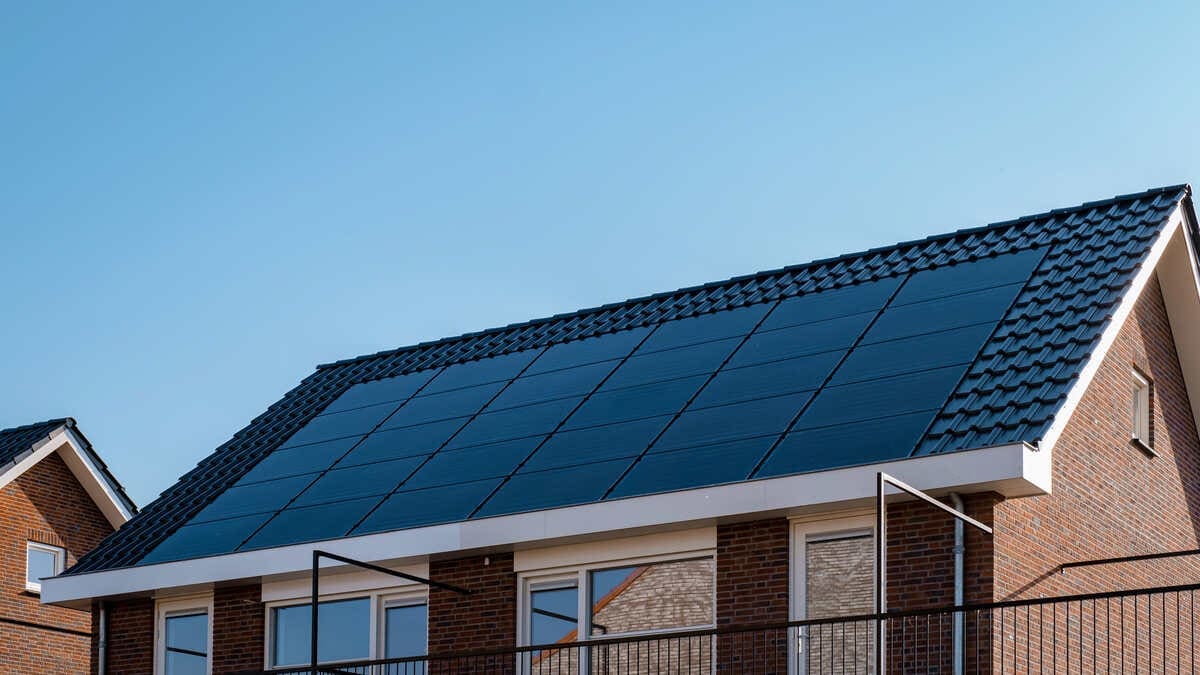
Solar panels can turn your roof into a source of clean energy, but is your home ready for them? Before requesting quotes, it’s worth understanding what your property can support. Installing solar panels is a significant investment, and factors such as roof condition, sun exposure, household electricity consumption and the existing electrical system all influence the type and size of installation that’s right for your home. Assessing these factors beforehand can help you ask better questions, compare quotes and make a more informed decision.
If this is not done, it can be difficult to compare proposals or find costs that are likely to incur in the installation process. With a little research, homeowners can ask better questions and see if a recommendation is going to meet their home’s needs.
Assess the Condition and Age of Your Roof
The roof under the solar panels should be suitable for the panels to last for decades. If it’s at the end of its life, installing panels before making repairs can lead to additional expenses. It increases labour requirements and makes the project more complex if the panels are removed and replaced during a later roof replacement. Inspect roofing materials and check for:
- Shingle damage
- Leaks
- Loose flashing
- Water infiltration

Get the Green Building Project Checklist
Use this handy checklist on your next project to keep track of all the ways you can make your home more energy-efficient and sustainable.
If the roof is older, schedule an inspection to see if it should be repaired or replaced before installation. Structural capacity is also a factor. Panels and mounting hardware increase the weight, and snow can also create extra loads on the roof during the Canadian winter. Inquire about how these factors will be evaluated by the installer, and seek advice from a qualified professional when a roof’s capacity is a concern.
Check Roof Orientation and Sunlight

A roof may be in good condition but have limitations that impact solar production. Its orientation, slope and exposure to sunlight affect the amount of electricity a PV system can generate.
In Canada, roof surfaces that face south are usually well-lit by the sun, though other east- and west-facing surfaces will also allow for productive installations. The optimum design will vary depending on the property, roof slope and the amount of electricity consumed within the home. Conventional rooftop solar might be less appropriate for a north-facing roof, but the property in its entirety should be evaluated prior to dismissal.
Look for shade from older trees, adjacent buildings, chimneys and other structures. Shading will vary during the day and across the seasons, so take the roof’s appearance in the summer and winter months into account.
Homeowners looking to find solar potential for their property can start with online assessment tools before arranging site visits. Using satellite imagery, these tools assess potential panel placement, roof orientation and shading, helping homeowners identify suitable roof areas and prepare more informed technical questions for installers.
Understand Your Household’s Electricity Use
The number of panels required for a house will vary based on its electrical requirements. Homeowners might be offered systems that are too small or too costly to buy if the usage is not reviewed.
Use the last 12 months of electricity bills, not just one month. Note annual usage in kilowatt-hours (kWh), along with seasonal changes. Energy usage from electric heating, cooling and other energy consuming equipment can influence demand year round.
Consider how your home’s needs may change. Future consumption may increase due to an electric vehicle charger, heat pump or other appliances. When asking for a quote, mention any planned upgrades so that they can take those into consideration. Knowing about solar system sizing can also assist homeowners in assessing if a proposed system is suitable for their home.
Review Your Electrical Panel and Infrastructure
The electrical system should be inspected prior to mounting solar panels to ensure safe connections to the home. Some older Canadian homes might require panel upgrades or changes to wiring and breakers. The amount of work depends on the existing equipment and the proposed system.
Review your panel’s age and any issues you have seen, such as breakers tripping often or previous electrical problems. Communicate this to the installer and request if an electrician should evaluate the system.
This is especially relevant to older electrical systems within the home that may require upgrades prior to installation of solar equipment. If you’ve already got electrical improvements planned, you might be able to do both at the same time, which could save you extra costs.
Consider Your Home’s Energy Efficiency
While solar panels boost the amount of electricity that a home can produce, they do not lessen the amount of energy that is consumed. Before investing in a larger system, consider whether your property is using energy efficiently.
The high energy demand can be caused by poor insulation, air leakage, old windows and outdated heating equipment. In Canada, heating needs can be substantial during winter, making it worthwhile to identify where a home loses heat. An energy audit can identify the necessary changes, including:
- Installing attic insulation
- Sealing windows and doors
- Replacing heating systems
These changes could decrease consumption and help to identify the electricity needs of a solar system. Knowing the energy efficiency of your home will avoid over-spending for a bigger system than needed.
Decide Whether Battery Storage Makes Sense
Not all solar systems require a battery. Grid-tied systems can export excess electricity to the electrical grid and qualifying homeowners can get credits via provincial or utility net-metering programs. Rules and payouts differ across Canada. A battery is used to hold electrical power produced in the day. It can also serve as a source of backup power during an outage depending on the equipment and system configuration.
Determine what you want the system to do before asking for quotations. A standard grid-tied system might be enough if you’re focused primarily on lowering your electric bills without severing your connection to the grid. If back up power is desirable, ask installers what batteries are available and what they can power. Compare the potential value of batteries with the extra cost; they are not a necessity and will add upfront expenses.
Check Permits and Utility Requirements
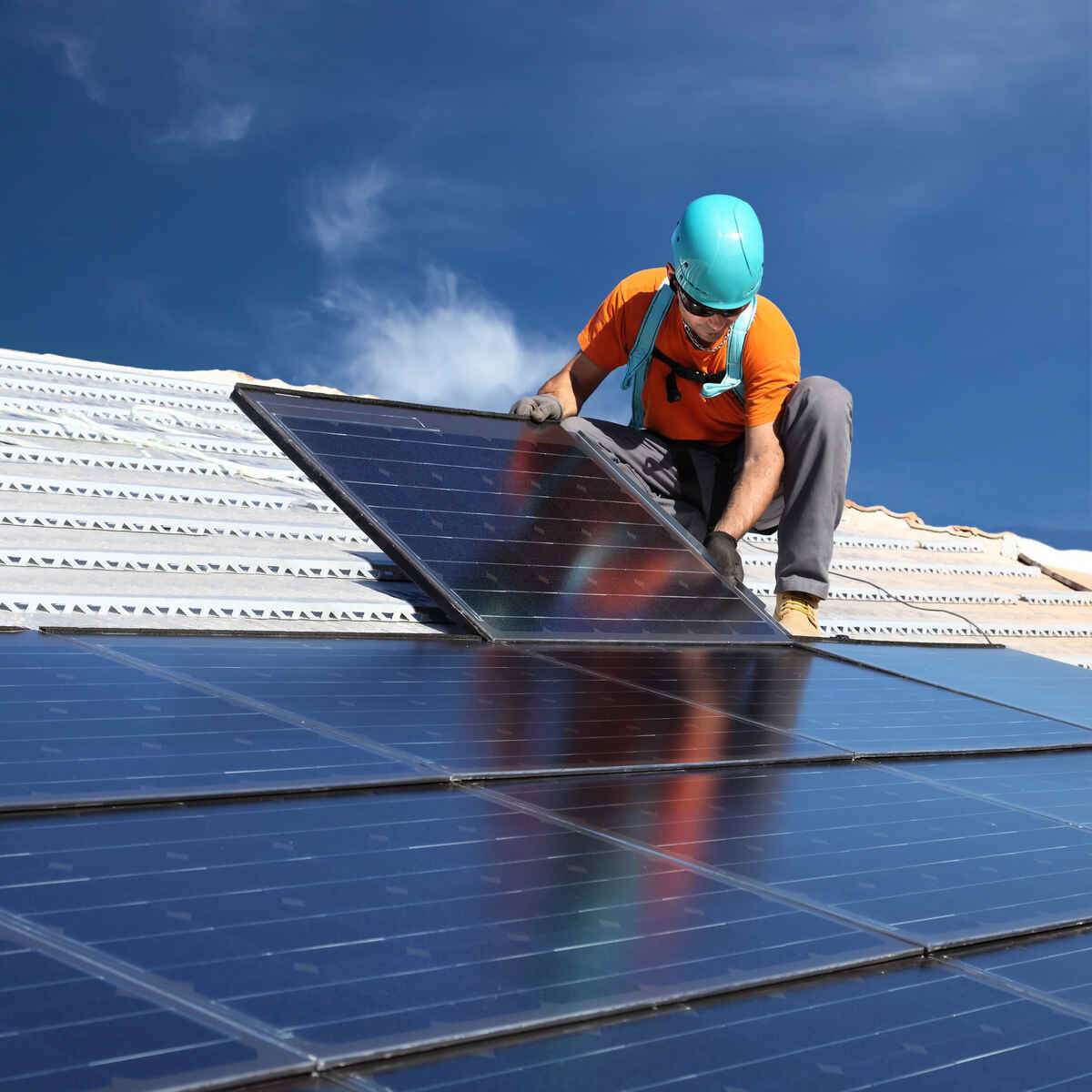
The installation requirements for solar differ across provinces, municipalities and utilities. The procedure could include building permits, electrical permits, utility interconnection applications and inspections, all depending on the property and system. There are further restrictions for certain building types and some heritage properties.
Check with your municipal area and with your electricity company to see what the rules are for your house. A knowledgeable installer should be able to clarify what types of approvals are required and if the company will apply for them.
Look Beyond Equipment When Comparing Installers
Knowing your property’s needs will make it easier to compare installation companies. The specifications and price of the equipment are important, but not the only consideration. It’s important for homeowners to look at an installer’s experience, qualifications, workmanship warranty and after-installation support, not just the cost.
Compare panel and inverter specifications, estimated annual production, installation costs and warranties. Inquire about permits, electrical work, mounting equipment and other related costs. A detailed proposal should describe how the system will satisfy your household’s requirements and the assumptions used to calculate the production estimates. If there are two widely different quotes, request an explanation from both installers. The differences might be due to equipment, system size, projected output or other included work.
Images from Depositphotos


