
Why Energy Conservation Starts With Everyday Household Decisions

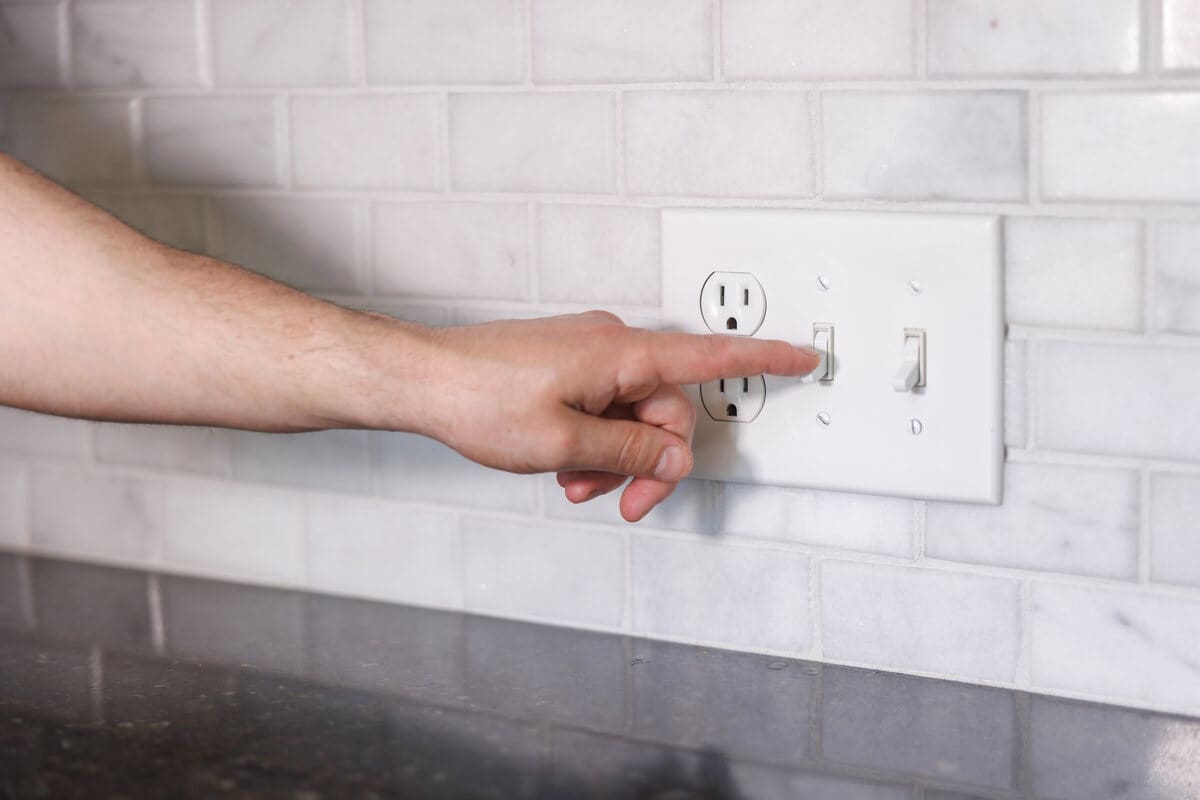
Energy efficiency is an integral part of sustainability and a lot of i comes down to the choices individuals make at home – regulating temperature, use of household devices, water consumption and even choice of light play a significant part in how much energy will be consumed in a house. Although these choices may not make a very big impact individually, collectively they aid in reducing the energy consumption.
Understanding Household Energy Consumption
Energy is required to carry out such activities as heating, cooling, cooking, lighting and operating appliances. But there can also be wasted energy consumption because of the unnecessary operation of appliances, malfunction of heating systems and lack of maintenance of household appliances. It is essential to understand which appliances consume energy to find a way to reduce its wastage. Examining household bills is a useful endeavour to learn about the average amount of energy consumed and when it is excessive.
Knowing how the household operates can assist one in setting practical goals in conserving energy. For example, appliances that are on standby mode can be turned off. In addition, making adjustments without regard for the outside temperature can be an impediment to efficient energy conservation. These are some of the small things that can help to set practical goals.
Improving Heating and Cooling Efficiency

Get the Green Building Project Checklist
Use this handy checklist on your next project to keep track of all the ways you can make your home more energy-efficient and sustainable.
Equipment for heating and cooling is one of the major users of energy in the house. Proper thermostat setting would help avoid unnecessary usage of energy while creating a comfortable environment in the house. Moreover, the use of programmable and smart thermostats would make it possible to control the temperature and reduce the work of equipment in those moments when the rooms are not occupied. It should also be pointed out that closure of doors and windows would increase efficiency.
Moreover, there are factors that affect heating equipment and the level of energy usage. Maintenance of equipment, including cleaning of filters and troubleshooting, will improve its performance. Energy saving can also come from zonal heating. For example, if you’re only going to be sitting in your living room all night, you could turn off your central heating and flick on your gas fireplace instead. Doing this can save you quite a bit, particularly if you have a large house.
Making Better Use of Household Appliances
If you’re in the market for new appliances, look for energy-saving certification such as ENERGY STAR and compare the appliances’ estimated annual consumption of energy. It will give an idea about how various products can influence their energy use.
However, it is essential to pay attention to people’s habits in regards to how household appliances work. Energy-saving appliances also need energy for their work when people use them in vain. Dishwashers and washing machines should be filled with clothes and dishes, and people should select appropriate temperatures for the washing water. Dishes should be dried naturally when it is possible. People can also avoid keeping refrigerator doors open for a long time.
Improving Insulation and Preventing Energy Loss
Insulation quality of the house can have an effect on the amount of energy needed for maintaining a comfortable temperature. Uninsulated walls, ceilings and floors will cause heat leakage when it is cold outside and heat entry when it is warm outside. As such, heating and cooling systems may take longer to counteract these temperature fluctuations. Better insulation of the building will contribute to creation of a more stable indoor temperature while using less energy.
Leaks in the air through windows, exterior doors, attic access points and other openings can also increase the amount of energy lost through these channels. Weatherstripping and sealing of the openings and fixing broken parts of the windows will help prevent this unnecessary loss of air. If you need to replace your old windows, installing energy-efficient windows can reduce heat transfer from and into the rooms receiving much sunshine and feeling drafts.
Conserving Water and Supporting Energy Efficiency

Water conservation and energy usage are linked together in terms of the resources that are necessary to heat and distribute water. Usually, hot water is utilized for purposes such as bathing, washing, cleaning dishes, doing laundry and other household chores. Therefore, it is crucial to try to minimize the amount of unnecessary water utilization in order to decrease the amount of energy needed to heat it. It is possible to do this by installing low-flow showers, repairing leakages and setting water temperatures properly.
Homeowners should run their dishwasher and washing machine only when there are enough dirty dishes or clothes for doing the job. It is also advisable not to spend much time taking a shower. Moreover, collected rainwater may be used for some appropriate gardening activity which will save city water from being utilized. Thus, both water and energy conservation can be taken into account in households.
Choosing More Sustainable Household Products
The choices one makes regarding purchases can lead to changes in energy usage within the household. Instead of just choosing the cheapest appliances and devices, people can instead select items that are more energy efficient.
The task of conserving energy is made easier fo homeowners once they realize that their decisions in daily life have an impact on the way they use resources at home. It involves better energy management through the way people heat and cool their homes, better insulation, efficient appliances, reduced water wastage and wise purchasing decisions. Though such steps may seem small initially, their consistent application will help bring about substantial benefits. In this way, energy efficiency becomes a regular practice for homeowners.
Images from Depositphotos


