
Site Security for Sustainable Construction Projects
How to Protect from Theft and Vandalism

Sustainable construction projects face additional risks compared with conventional builds. Specialist and premium materials, such as high-performance windows, advanced insulation, reclaimed timber, solar equipment and low-VOC products, can be more expensive, harder to source and subject to longer lead times.
The theft or vandalism of these materials creates more than a financial setback. It can undermine the very environmental objectives the project is designed to achieve. Materials lost to theft may never be recovered, while delays can force developers to reorder products that need to be manufactured and transported all over again, adding unnecessary carbon emissions and increasing the project’s overall environmental footprint.
For project owners, the implications of inadequate security therefore extend well beyond the immediate financial loss. Those who approach security purely as a matter of protecting assets risk overlooking a much wider consequence: compromising the sustainability goals at the heart of the project.
Why Sustainable Sites Need Stronger Protection
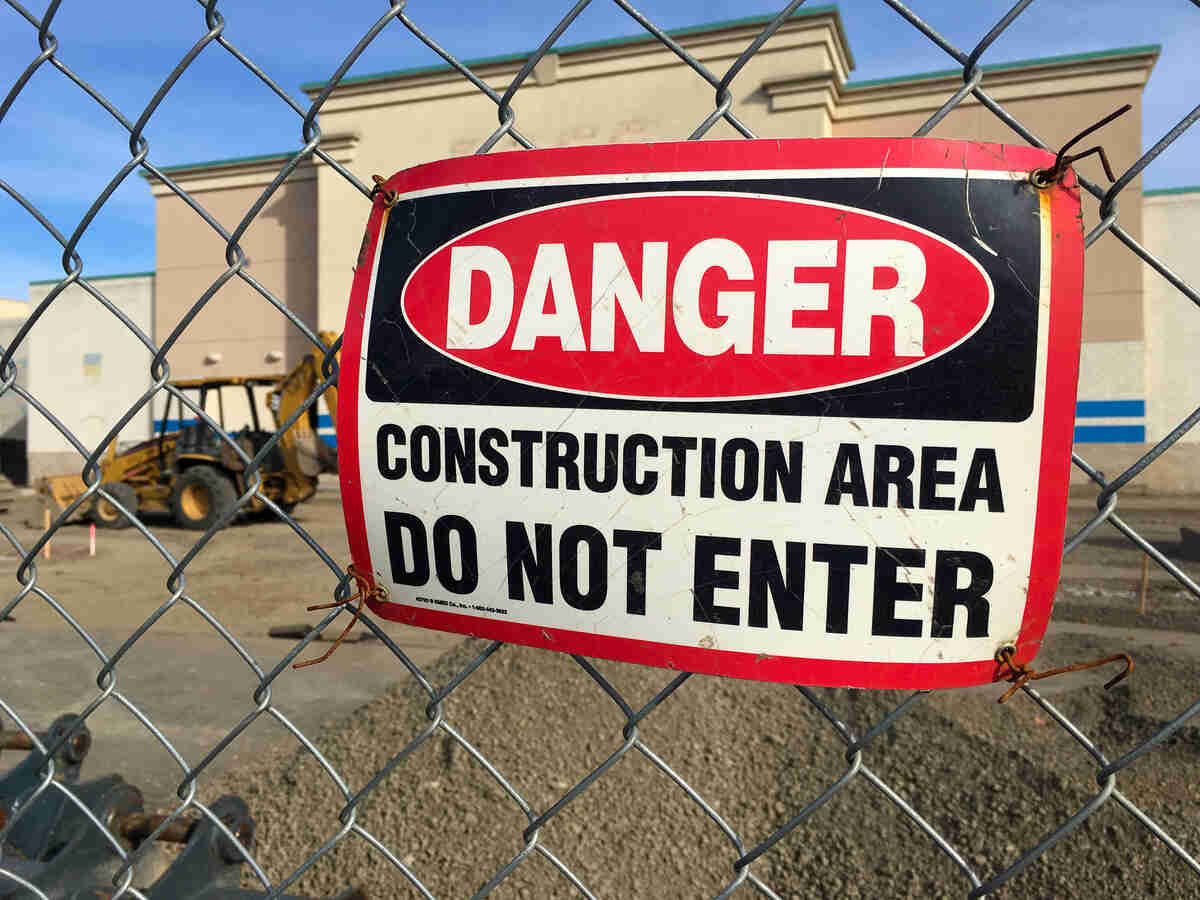
A chain-link fence and a “No Trespassing” sign? That’s not protection, that’s decoration. These sites need a security approach that fits the project’s values: efficient, low-impact, reliable.
From Vancouver to Halifax, construction project managers across the country are increasingly looking for a security company that understands not only the practical challenges of construction sites but also the specific risks and requirements of sustainable building projects.

Get the Green Building Project Checklist
Use this handy checklist on your next project to keep track of all the ways you can make your home more energy-efficient and sustainable.
Thieves and vandals target green projects for several clear reasons:
- The materials are worth real money: copper wiring, heat-recovery ventilators, photovoltaic panels, premium insulation, all easy to flip.
- Timing is against you: these items get delivered early and then sit on site for weeks or months while other trades catch up.
- Reclaimed or custom-fabricated materials are a particular problem, since they’re hard to replace fast.
- Buildings still under construction, with large glass areas or exposed framing, are sitting ducks for graffiti, broken windows and deliberate damage.
Every incident creates waste, delays schedules and can jeopardize green building certifications that depend on careful material tracking and reduced construction waste.
Core Principles of Effective Site Security
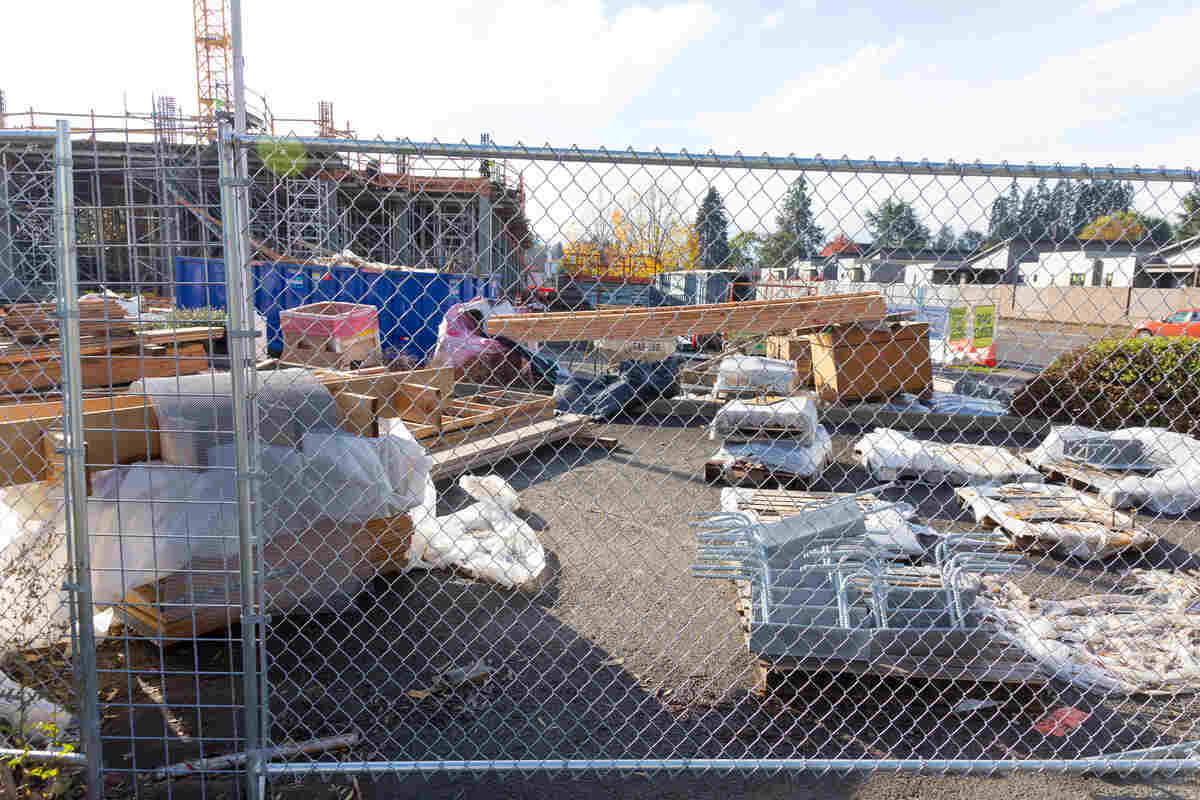
A solid security plan for a sustainable project comes down to three things: deterrence, detection and fast response. Make the site look like a pain to target. Notice quickly when someone tries. And when something does happen, limit the damage.
Start with the basics. A solid perimeter fence with locked gates is still the foundation of most site security plans. Temporary fencing should be tall and sturdy – enough to put off casual entry. Gates need locks that work, and only authorized personnel should have access. Numbered or coded keys are worth considering, so a lost key can be tracked down.
Lighting plays a major role in deterrence. Well-placed, energy-efficient LED lights that activate with motion sensors keep energy use low while making the site less attractive after dark. Avoid lighting that spills into neighbouring properties or creates light pollution, both of which can conflict with the environmental goals of the project.
Technology That Supports Sustainability Goals
Modern security tech and green building priorities? They line up better than you’d think. Solar-powered cameras and sensors cut the need for temp power hookups, which means less generator fuel burned on site. Wireless systems running on batteries or small solar panels are pretty standard now, and you can move them as the job progresses.
Here’s what’s worth knowing:
- Motion-activated cameras with night vision and remote monitoring ping your phone the second someone steps into a restricted zone
- Some systems plug into existing site management software, so security events get logged right alongside your other project data
- Temporary digital codes or app-based access replace physical keys and leave an audit trail of who came and went (handy when materials vanish)
When you’re picking equipment, go for low-power draw and reuse on future jobs. Don’t buy throwaway gear.
Material Storage and Inventory Practices
The best fence fails if high-value materials sit exposed. Store expensive or portable items in locked containers or secure units and elevate reclaimed wood and moisture-sensitive materials off the ground, covering them properly so weather damage doesn’t compound theft risk.
Keep a detailed inventory as materials arrive: photograph high-value deliveries and record serial numbers where available.
Some builders mark materials with unique identifiers, which makes them harder to resell. Clear records support waste-reduction goals too, since tracking what’s been used versus lost or damaged is much easier. Coordinate deliveries carefully.
Large quantities of expensive material on site long before they’re needed simply increase the risk window. Just-in-time delivery where practical reduces both storage needs and exposure.
Working with Local Security Providers and Building a Security Culture

A local security firm knows the ground. Theft patterns, seasonal shifts, the headaches of urban or semi-urban sites – they’ve seen it. They’ll tell you which mix of fencing, cameras and patrols works without bleeding cost or embodied energy. Patrols still carry the load. Evenings, weekends, holidays. Visible presence says someone’s watching.
Longer projects? Fixed cameras plus mobile patrols, layered. And don’t forget the crew. Brief them at the start. Reinforce it. Technology and fences only go so far.
Simple habits make a difference:
- Locking toolboxes at the end of each day
- Reporting suspicious activity promptly
- Avoiding the temptation to leave valuable tools or materials unattended even for short periods
A site supervisor or safety officer should oversee security, alongside their other responsibilities. When the whole project understands that protecting materials supports both the budget and the environmental goals, compliance improves.
Balancing Cost, Effectiveness and Environmental Impact
Security should fit the job – what’s sitting there and how long you’ll be there. Overbuild it, you waste resources. Underdo it, you’re exposed. Read the risk at each stage and adjust. Site prep early on? Fencing and lighting, probably enough.
Once the expensive mechanical and electrical components land, stronger measures make sense. Reusable or low-embodied-energy kit helps too. Solar equipment, fencing you can relocate, cameras that carry over to the next project.
Sustainable construction means planning carefully – materials, energy, water, waste. Site security is the same kind of planning, just one more layer. Keep materials from getting stolen or trashed and you cut waste, stay on schedule and the finished building does what it was supposed to do environmentally.
The teams that build security in from day one? Better financials, better ecological outcomes. Simple as that.
Images from Depositphotos


