
Choosing the Right Safe for Your Home
Understand How Safe Ratings Work So You Can Make an Informed Purchasing Decision

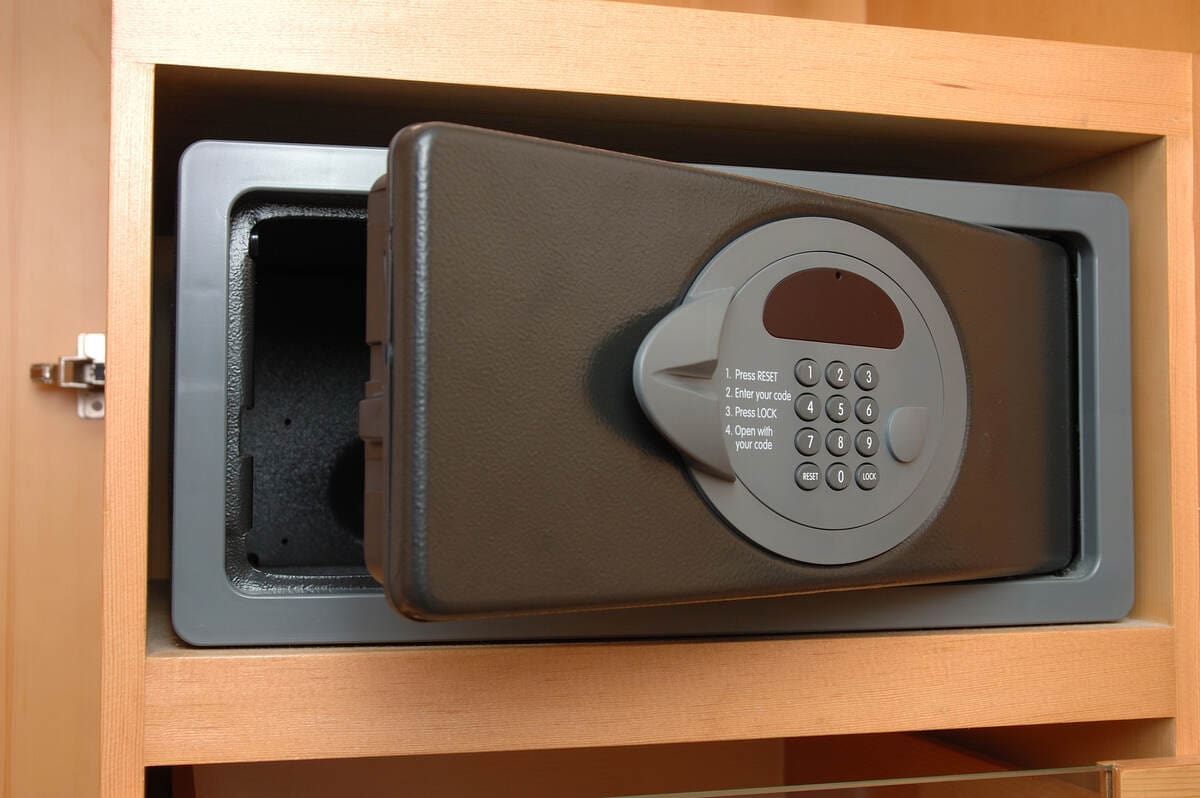
Cash, jewellery and other valuables can attract theft or suffer fire damage. A strong safe helps reduce these risks when its design matches the threat. However, steel thickness and lock style do not tell the whole story. Ratings show how a safe performed during set tests under controlled conditions. This information helps buyers compare products with clear facts. It also explains why high security safes cost more than basic lockboxes.
What Safe Ratings Mean
A safe rating shows which test standards a product has passed. These tests may cover forced entry, fire, impact or other threats.
Each rating applies only to the type of test shown. A burglary rating does not prove fire or water protection. The letters and numbers reveal key details about the test. They may show the tools used, attack time or tested sides.
A rating does not mean a safe can never be opened. It shows that the safe resisted a set attack under test rules.
Why Independent Safe Testing Matters

Get the Green Building Project Checklist
Use this handy checklist on your next project to keep track of all the ways you can make your home more energy-efficient and sustainable.

Safe makers often describe products as secure, strong or heavy-duty. Such words mean little without clear test results.
Third-party testing gives buyers a fair way to compare different models. Test teams use set tools, methods and pass rules. UL Solutions tests burglary-resistant safes under UL 687. It tests residential security containers under UL 1037. The rating mark should appear on the safe or its product record. Buyers should confirm the full rating before making a choice.
Independent tests also expose weak points that simple product photos cannot show. These may include the door, lock area, walls and hinges.
Main Types of Safe Ratings
Safe ratings cover different risks, so buyers must understand each type. The best choice often combines more than one form of protection.
Burglary Ratings
Burglary ratings measure resistance against forced entry with approved tools. The tools and attack time depend on the rating level. Test teams may use drills, pry bars, cutting wheels, saws and pressure tools. Torch attacks only apply to certain higher ratings. The stated time means active tool contact during the test. Planning, tool changes and test review do not count towards that time.
This makes a 15-minute rating stronger than many buyers expect. Skilled teams conduct the test with full product knowledge.
Fire Resistance Ratings
Fire ratings measure how well a safe limits heat during a set test. The test period may last 30, 60 or more minutes.
Some fire tests also include cooling and impact stages. These stages reflect risks caused by building fires and falling debris. Buyers should match the rating to the stored items. Paper can withstand more heat than film, drives and other data media.
A burglary rating does not provide automatic fire protection. Buyers should confirm both ratings when both threats matter.
Water Protection Claims
Some makers describe safes as water-resistant or waterproof. These terms do not always refer to the same test method. Buyers should ask how deep the water reached during testing. They should also check the test time and sealing method.A safe may resist fire-hose spray but not full flood exposure. Water claims need clear test details before guiding a purchase.
Understanding Common UL Burglary Ratings
UL uses several classes for burglary-resistant containers. These ratings help buyers compare tested attack resistance across different safe models.
| Rating | Test focus | Active attack time |
| RSC Level I | Common hand tools used by one tester | 5 minutes |
| RSC Level II | Stronger tools used by two testers | 10 minutes |
| RSC Level III | Wider tool range used by two testers | 10 minutes |
| TL-15 | Tool attack against the door and front face | 15 minutes |
| TL-30 | Stronger tool attack against the door and front face | 30 minutes |
| TL-30×6 | Tool attack against all six sides | 30 minutes |
| TRTL-30×6 | Tool and torch attack against all six sides | 30 minutes |
These test times are not promises about every real theft. Site conditions, tools, installation and attacker skill can change the result.
Residential Security Container Rating
A residential security container, or RSC, provides tested protection against common attacks. Many gun safes use this rating system.
UL 1037 includes three attack levels with rising test demands. Level I faces one tester using common hand tools for five minutes. Level II faces two testers and stronger tools for ten minutes. They try creating a six-square-inch opening in the container. Level III also gives two testers ten minutes with more advanced tools. The allowed test opening falls to two square inches.
Containers below 750 pounds may also face a drop test. Secure mounting points and clear instructions can affect this requirement.
TL-15 Rating
A TL-15 safe resists a skilled tool attack for 15 active minutes. Testing focuses on the door and front face. Approved tools may include drills, pry tools, grinding tools and pressure devices. The rating does not cover attacks against every side.
TL-15 models suit many homes and small firms storing valuable property. The final choice should reflect value, location and insurance needs.
TL-30 Rating
A TL-30 safe faces a 30-minute tool attack against its front surfaces. Test teams receive more working time than TL-15 tests. The longer test places greater strain on the door and lock area. These models often use thick barriers, hard plates and relockers. TL-30 models serve homes and firms with greater asset values. They are common choices among buyers comparing high security safes.
TL-30×6 Rating
The “×6” mark means testing covers the door, front, back, top, bottom and sides. This matters when attackers can reach several surfaces. A TL-30×6 safe must resist tool attacks for 30 active minutes. It offers broader tested protection than a standard TL-30 model.
These high security safes suit sites where side or rear access remains possible. Proper placement still helps limit access and improve total security.
TRTL Ratings
TRTL means torch and tool resistant. These tests add cutting torches to the approved tool set.
A TRTL-30 model resists a 30-minute attack against its front surfaces. A TRTL-30×6 model faces testing on all six sides.
These ratings suit very high asset values and serious break-in risks. Their size and weight require careful delivery and floor planning.
How Safe Ratings Reflect Real Attack Resistance
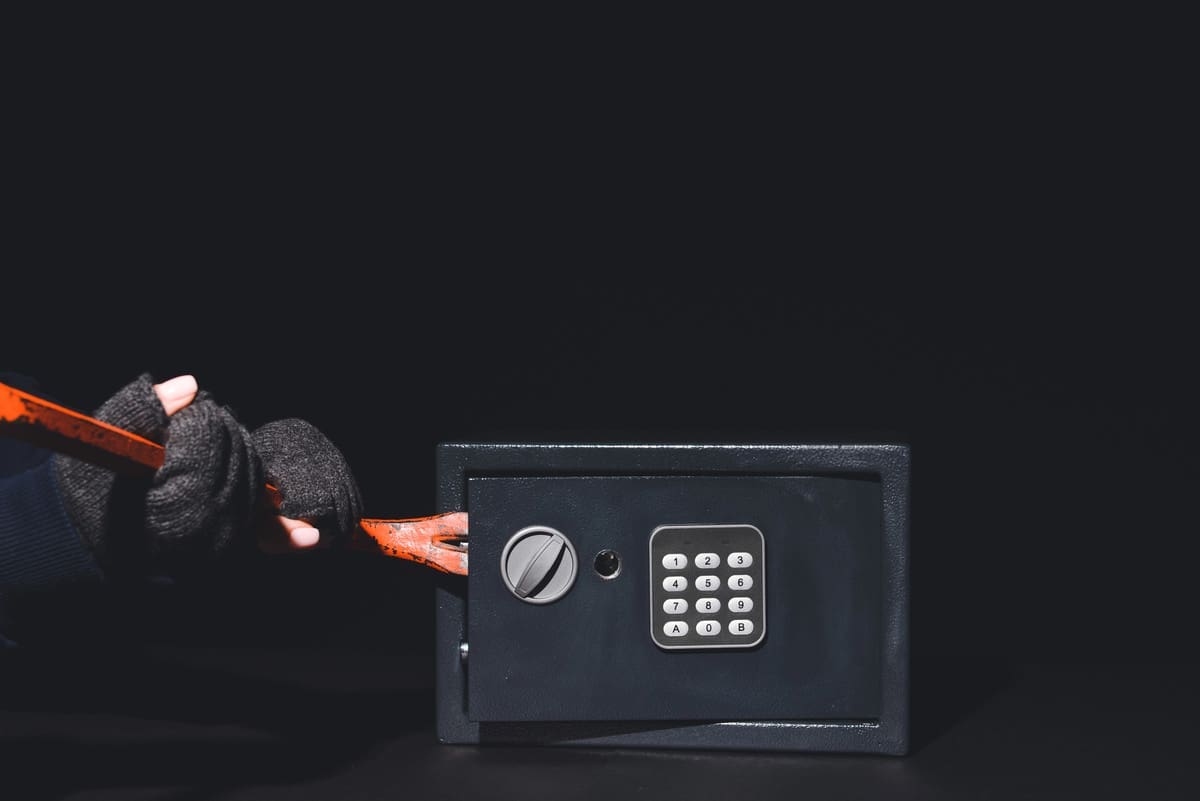
Testing measures how long trained staff need to create a defined opening. It does not measure how long an untrained thief stays nearby.
Testers know the safe design and select useful attack points. They also have access to the tools allowed by each rating. Real thieves face noise, alarms, cameras and limited time. These extra controls can make a rated safe much harder to attack.
Ratings also help reveal differences hidden beneath the outer finish. Two similar safes may provide very different tested protection. Still, no rating removes all risk. A safe works best within a wider home or business security plan.
Choosing a Rating Based on Stored Property
Start by listing everything that will go inside the safe. Include each item’s value, size and sensitivity to heat or moisture. Next, review the risks at the chosen site. Consider theft history, building access, fire response and possible flood exposure.
Cash and Important Documents
Cash needs strong theft protection because it can be removed and spent quickly. Business cash may also require strict access controls.
Passports, deeds and contracts need both theft and fire protection. Their safe should carry separate ratings for each threat.
Daily access also matters when storing working cash or records. A suitable lock should balance speed with controlled access.
Jewellery and Collectibles
Jewellery, watches, coins and rare items often hold great value in little space. Their portable size makes burglary resistance important. Internal drawers can protect items from scratches and mixed storage. Soft liners help, but they do not change the safe rating.
Owners should keep photos, receipts and value records elsewhere. These records help with insurance claims after loss or damage.
Business Records and Stock
Businesses may store cash, records, medicine, keys or small stock. Each asset creates a different risk and access need.
A pharmacy may need strict key control and secure drug storage. A shop may need deposit access without opening the main door. Managers should limit codes to approved staff and record access changes. Former staff codes should be removed without delay.
Safe Ratings and Insurance Coverage
Insurers may use safe ratings when setting storage terms for valuable property. Higher ratings can support larger limits in some policies. However, no rating creates automatic insurance coverage. Each insurer sets its own rules, limits, exclusions and installation terms.
Before buying, give the insurer the full safe model and rating. Ask whether alarms, anchoring or room controls are also required. Keep the invoice, rating details and installation records in another place. These documents can support a later insurance claim.
Other Features That Support Rated Protection
The rating remains important, but daily protection depends on other features. Installation and access control can support the tested safe body.
Lock Type and Relocking Systems
Rated safes use locks that meet set security rules. Common options include mechanical combination locks and Type 1 electronic locks. Electronic locks offer quick entry and easy code changes. Mechanical locks avoid batteries but often take longer to open.
A relocker can secure the bolt system after an attack. It may trigger when someone damages the lock or protective parts. Multiple locks may support two-person access for business use. This setup can reduce misuse by one staff member.
Safe Weight and Construction
Heavy safes are harder to remove from a building. Weight alone, however, does not prove resistance to forced entry. Strong designs combine steel, barrier materials, protected bolts and reinforced lock areas. Each part helps slow a different attack method.
The door gap, hinge design and bolt support also matter. A thick door provides little value when nearby parts remain weak.
Floor Anchoring and Placement
Anchoring helps prevent thieves from tipping or carrying away a safe. It can also improve safety around children and staff. Fasteners must match the floor material and safe design. Concrete, wood and raised floors need different mounting plans.
Installers should avoid water pipes, wiring and floor heating. They must also confirm that the floor supports the safe’s weight. Good placement limits access to the sides and rear. It also keeps the safe away from obvious public view.
Common Mistakes When Comparing Rated Safes
Buyers often focus on door thickness while ignoring the full safe body. Attackers may target any weak point they can reach. Other common mistakes include:
- Treating a fire rating as proof of burglary resistance.
- Comparing total test time with active tool-contact time.
- Trusting vague security claims without checking the rating label.
- Ignoring delivery space, floor strength and anchoring needs.
- Choosing a safe that cannot hold future valuable items.
- Assuming insurance terms apply without written approval.
Another mistake involves buying more access features than needed. Extra users and codes can create more chances for poor control.
How to Select the Right Safe for Your Needs
First, calculate the current value of every stored item. Add space for future records, jewellery, cash or other property. Then compare burglary, fire and water needs separately. Choose verified ratings instead of broad terms used in sales copy. Follow these steps before ordering a safe:
- List the assets, sizes and estimated replacement values.
- Ask your insurer about required ratings and installation terms.
- Review building access and likely attack points.
- Confirm the safe’s outer size, weight and door swing.
- Select a lock that suits daily access needs.
- Arrange trained delivery, anchoring and final setup.
Buyers comparing high security safes should also check the tested sides. A front-only rating differs greatly from six-sided protection.
Images from Depositphotos

