
Why High-Performance Windows Are a Critical Part of Energy-Efficient Building Design
By Ivan Lypovyk, President at Permanent Windows Solutions

Canada’s approach to energy-efficient construction is changing. As building codes evolve, energy targets become more ambitious and owners pay closer attention to long-term operating costs, architects and builders are increasingly looking beyond individual energy-saving products and considering how the entire building envelope performs as a system. Windows are a particularly important part of that equation.
Despite occupying only a portion of the building envelope, windows can have a disproportionate influence on thermal performance, airtightness and occupant comfort. This is especially significant in Canada, where buildings may experience prolonged periods of sub-zero temperatures, strong winds and substantial temperature differences between indoor and outdoor environments.
The result is a growing need to think differently about window specification. Rather than treating windows primarily as architectural elements, high-performance projects increasingly need to consider them as engineered components of the building envelope.
Why Windows Matter More Than Their Size Suggests
Every transition in a building envelope creates potential performance challenges. Window openings combine several of them: glass, frame materials, operable components, seals and the connection between the window and wall assembly.
Heat can escape through the glazing and frame, while poorly sealed operable sections or installation joints can introduce uncontrolled air infiltration. Thermal bridging around the perimeter can further reduce surface temperatures.

Get the Green Building Project Checklist
Use this handy checklist on your next project to keep track of all the ways you can make your home more energy-efficient and sustainable.
The consequences extend beyond energy consumption.
Cold interior surfaces can contribute to condensation. Temperature differences near large areas of glazing can affect occupant comfort even when the overall indoor air temperature remains stable.
For architects and builders pursuing higher levels of building performance, addressing these weak points is therefore becoming increasingly important.
Moving From a Window to a Window System
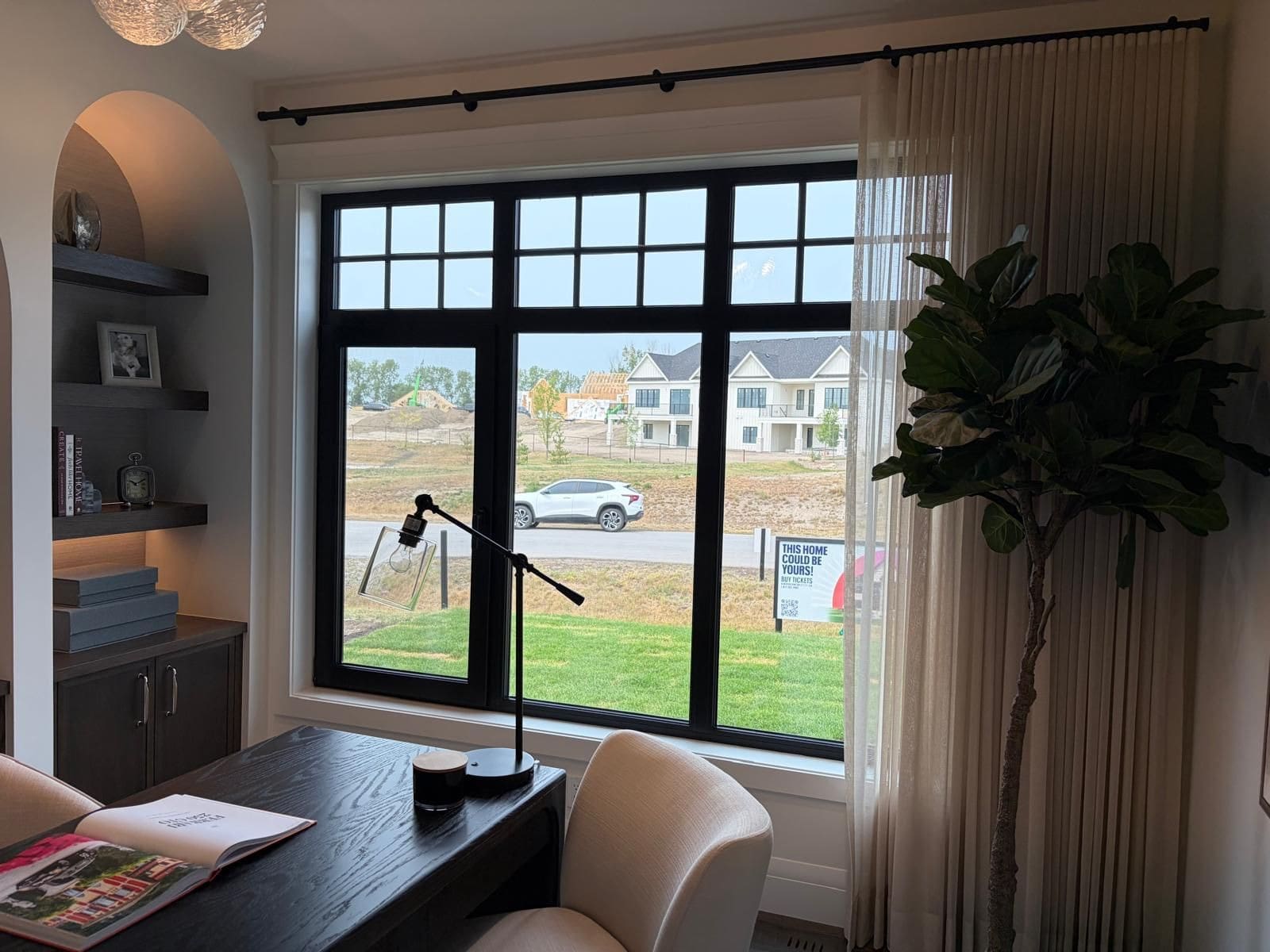
One of the important shifts in high-performance construction is the move from evaluating individual window components to evaluating the complete window system.
A high-performance window is not simply a better piece of glass.
Its performance results from several components working together: insulated frame profiles, glazing units, warm-edge spacers, perimeter seals, hardware and installation detailing.
Multi-chamber frame designs, for example, create internal barriers that slow conductive heat transfer through the frame. High-performance glazing and low-emissivity coatings help limit heat transfer through the glass, while warm-edge spacers reduce thermal bridging around the perimeter of the glazing unit.
Airtightness is equally important.
Advanced hardware systems can apply consistent compression around an operable sash rather than relying on only a small number of locking points. Combined with continuous perimeter seals, this can significantly reduce uncontrolled air movement.
The important point is that no single feature creates a high-performance window. Performance comes from the integration of all these elements.
The Canadian Climate Raises the Stakes
The principles of high-performance window design apply everywhere, but Canada’s climate makes their implementation particularly important.
During the heating season, the temperature difference between the interior and exterior of a building can be substantial. Any weakness in the envelope becomes more consequential as that difference increases.
Window systems designed for cold climates therefore need to address several issues simultaneously: conductive heat loss, air infiltration, condensation resistance and dimensional stability during repeated temperature changes.
Maintaining higher interior glass and frame temperatures can also improve comfort around windows. This becomes particularly noticeable in homes with large glazing areas, where conventional windows can create cold zones even when the heating system is maintaining the desired room temperature.
As Canadian architecture continues to favour larger windows and stronger connections between indoor and outdoor spaces, balancing glazing area with building performance will become an increasingly important design challenge.
Airtightness Is Part of Energy Performance
Thermal values often receive the most attention when windows are compared, but airtightness deserves equal consideration.
A window may have high-performance glazing and an insulated frame, yet still underperform if air can move uncontrolled through the assembly or around its perimeter.
This is why high-performance European window systems have increasingly attracted attention in energy-conscious construction. Their design typically approaches the window as part of an airtight envelope, combining multiple sealing points with hardware that maintains consistent sash compression.
Reducing air leakage can help eliminate drafts and cold zones while making indoor conditions more predictable.
That predictability also matters to mechanical systems. When uncontrolled infiltration is reduced, heating and cooling equipment can operate under more stable conditions rather than continuously compensating for unexpected heat loss.
Installation Can Determine Whether Performance Is Achieved
Even a highly engineered window cannot compensate for poor installation.
The connection between the window and wall is one of the most critical details in the entire assembly. If insulation, air barriers and moisture-management layers are interrupted at the opening, the installed window may never achieve the performance suggested by its specifications.
Successful integration requires continuity.
The building’s air-control layer needs to connect effectively to the window frame. Thermal insulation should continue around the opening without significant gaps. Exterior detailing must manage water while allowing the assembly to perform as intended.
This is one reason architects, builders, window suppliers and installers need to coordinate earlier in high-performance projects. Window selection should not happen independently of wall design. The two systems ultimately have to function as one envelope.
Certification Provides a Benchmark, Not the Whole Answer
Programs such as ENERGY STAR provide useful benchmarks for comparing products intended for the Canadian market. Testing and certification can help confirm that products meet established requirements for energy performance.
However, certification should be considered one part of a broader specification process. Design teams still need to evaluate the project’s climate, glazing area, orientation, wall construction, installation strategy and performance objectives.
For projects targeting particularly high levels of energy efficiency, the question is increasingly not simply whether a window meets a minimum standard, but how effectively it contributes to the performance of the complete building.
WATCH | The Efficiency Spectrum: Ranking Window Materials for Energy Performance
Looking at Lifecycle Performance
Initial construction cost remains an important consideration, but energy-efficient buildings are increasingly evaluated through a longer lens.
Windows can remain in service for decades. During that time, their performance affects heating and cooling demand, maintenance requirements and occupant comfort every day. Durability therefore becomes part of sustainability.
Frames, seals and hardware need to maintain their performance despite thousands of operating cycles and repeated seasonal temperature changes. A window that performs exceptionally when installed but gradually loses compression or airtightness does not deliver the same lifecycle value as a system designed to maintain those characteristics over time.
For developers and building owners, this shifts the conversation from purchase price toward total value over the building’s lifespan.
The Path Forward
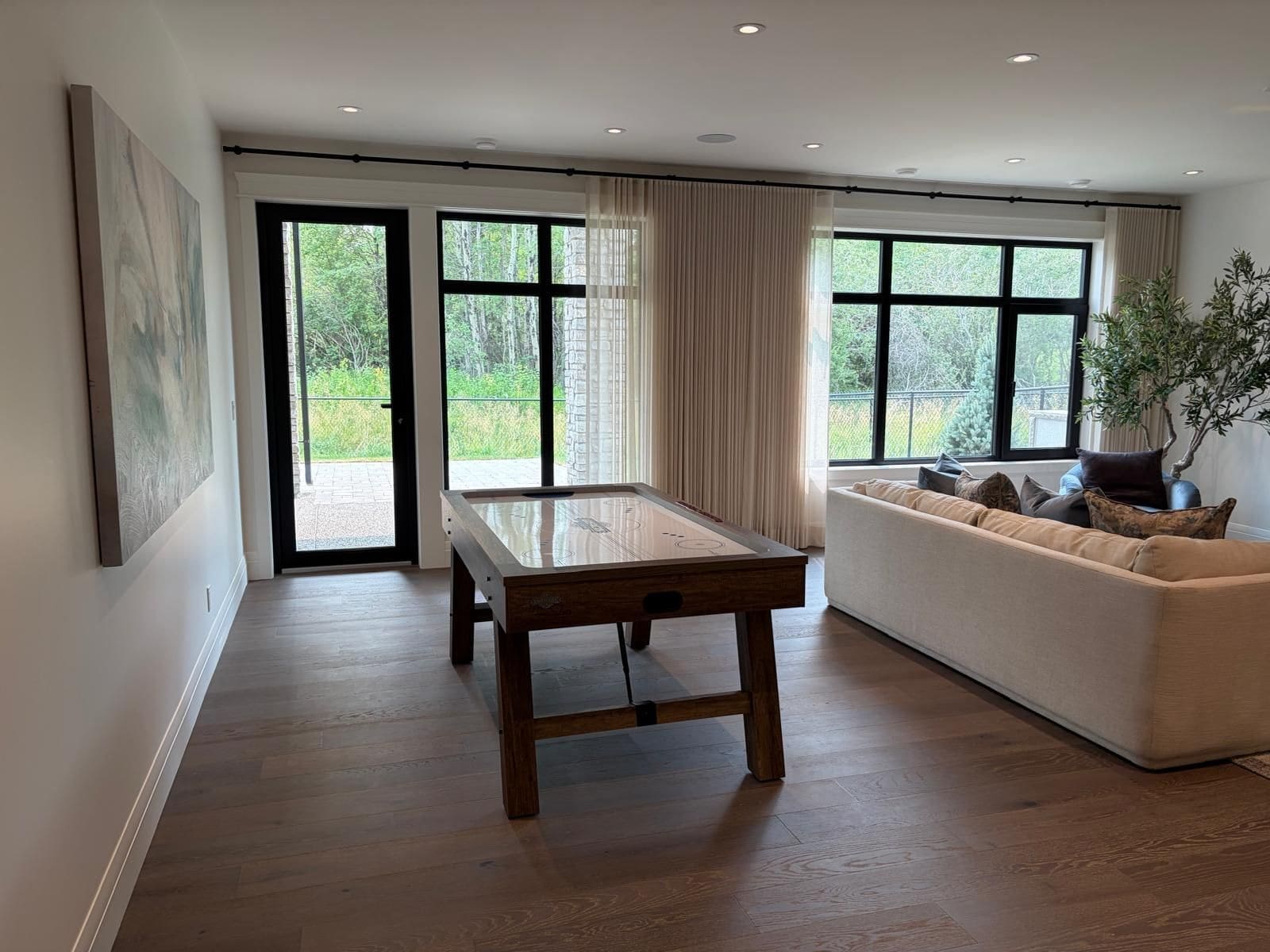
Canada’s transition toward more energy-efficient buildings will require improvements across the entire building envelope. Windows are only one component, but they are a component where architecture, engineering, energy performance and occupant experience intersect.
The industry is already moving beyond the idea that a window is simply glass inside a frame.
High-performance systems demonstrate what becomes possible when glazing, insulated profiles, airtightness, hardware and installation are considered together.
For architects, builders and developers, the opportunity is not simply to specify a window with better numbers. It is to integrate window systems into the building envelope from the beginning of the design process.
As expectations for building performance continue to rise across Canada, that systems-based approach will increasingly separate buildings that merely meet today’s requirements from those designed to perform for decades.
Images from Depositphotos


