Why More Ontario Businesses Are Hiring Full-Service Commercial Contractors


A building permit might look like the starting gun for construction, but in practice it is more like a checkpoint. Once a project clears that hurdle, it must still navigate procurement delays, trade scheduling, inspections, change orders and site surprises before the doors actually open.
Many business owners assume permit approval means smooth sailing, only to watch their projects hit turbulence shortly after. With the Canadian green buildings market hitting $4.8 billion in revenue in 2023, the financial stakes of delayed commercial delivery are significant. That is why a growing number of decision-makers are turning to full-service commercial contractors to guide them from municipal approval to final occupancy.
Why the Permit-to-Completion Gap Is Growing in Ontario
Permit approval is just one step in a longer chain
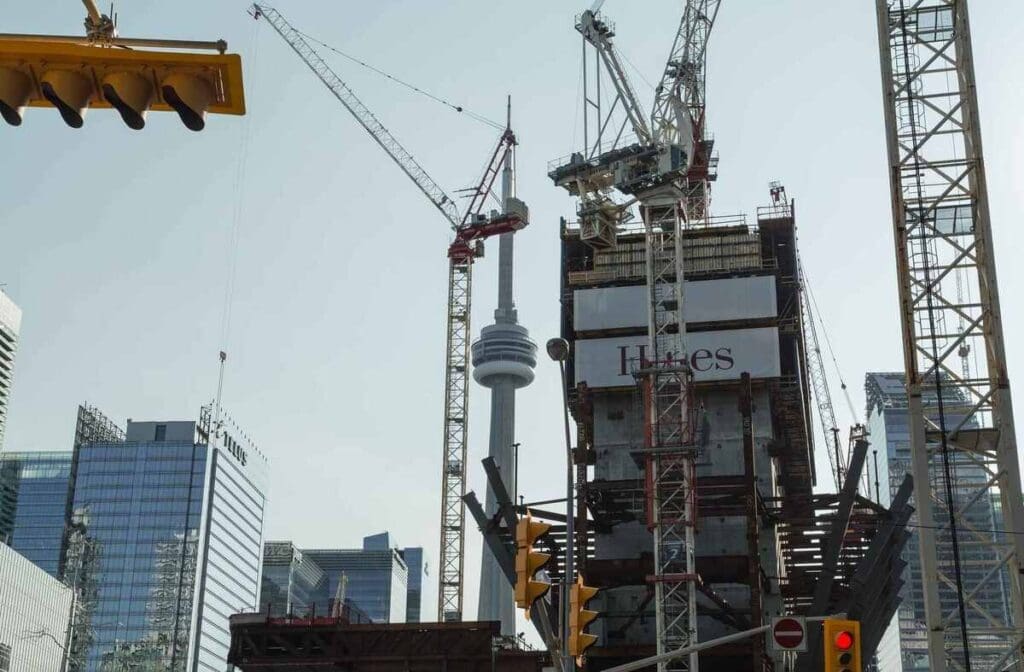
Permit approval is just one step in a much longer delivery process. A building permit legally authorizes construction, but it does not eliminate material lead times, labour shortages, landlord base-building dependencies or unforeseen site conditions. On larger projects, construction sequencing (the planned coordination of trades so work proceeds safely and efficiently) can become increasingly difficult when subcontractors, specialized equipment and major industrial, commercial and institutional projects are competing for the same resources. As a result, work may not begin immediately after a permit is issued, even though construction has been approved.
A permit gives a project permission to move forward, but it doesn’t coordinate suppliers, inspections, field conditions and trade schedules. That’s where many timelines are won or lost.

Get the Green Building Project Checklist
Use this handy checklist on your next project to keep track of all the ways you can make your home more energy-efficient and sustainable.
High Project Volume is Straining the System
Strong economic demand drives growth, but it also increases scheduling complexity for trades, consultants, suppliers and municipal inspectors. For example, in recent years Hamilton has been hitting new milestones of $2 billion or more annual construction activity as compared to the period from 2016 to 2020 where it averaged just $1.3 billion. Managing a buildout in this high-volume environment demands proactive daily oversight rather than reactive management.
Delays Increasingly Come from Outside the Permit Office
Beyond standard building permit processing, Ontario businesses frequently wait on external agencies to sign off on adjacent infrastructure or environmental conditions. Broad policy discussions across Canada continue to highlight how repetitive approval systems and delayed reforms create bottlenecks for commercial progress.
In some jurisdictions, municipal servicing constraints cause projects to stall even when development plans are fully compliant. In Waterloo Region, for instance, water allocation constraints have frozen development activity in select areas, resulting in significant revenue losses for developers and municipalities. Furthermore, delays in federal environmental reviews show that external hurdles can impact timelines long after initial designs are finalized.
What Fragmented Project Management Costs Businesses
Too Many Handoffs Create Failure Points
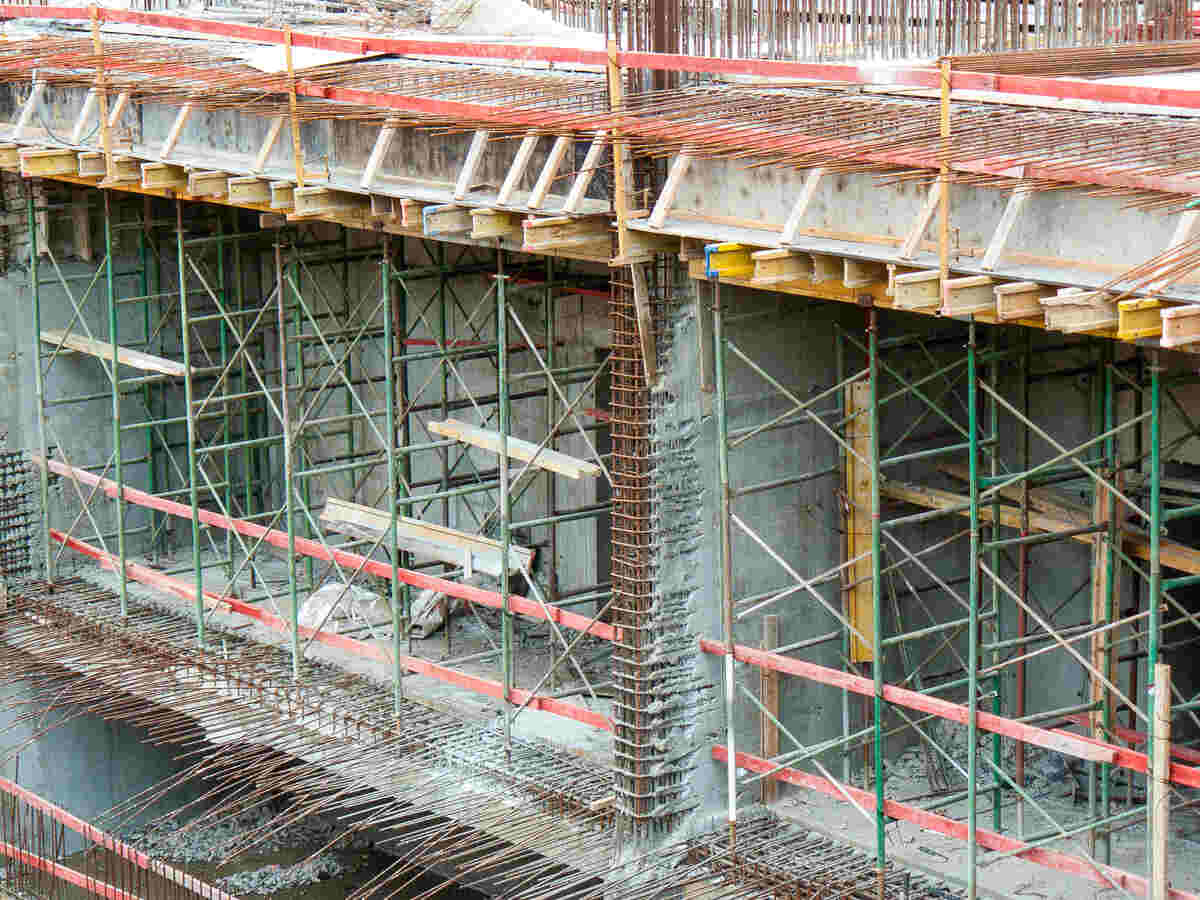
Traditional construction often separates designers, permit consultants, general contractors and trades into distinct silos, creating opportunities for miscommunication. Even when market activity softens – such as recently with Canadian building permits falling 7.6 percent in April 2026 – active commercial projects can continue to experience coordination challenges because fragmented project delivery persists independently of overall permit volumes. Disconnects may occur when designers specify products that are unavailable or subject to long lead times, or when contractors propose substitutions without adequate coordination with the design team, affecting both project budgets and design intent.
The Hidden Costs Go Beyond Schedule Slippage
When commercial construction stalls, the financial damage extends far beyond the immediate construction budget. Businesses incur carrying costs for unusable space, delayed revenue and disrupted franchise launches, all while navigating material price risks. Disjointed teams also increase change-order risks as undiscovered site conditions force sudden redesigns.
Rework Is a Sustainability Issue
Opening walls repeatedly because of poor coordination wastes labour and materials, increasing transportation-related emissions and construction waste. These inefficiencies reduce a project’s overall environmental performance. In addition, rushed material substitutions can compromise indoor environmental quality and other sustainability objectives by replacing specified products with lower-performing alternatives.
Why Full-Service Commercial Contractors Are Gaining Ground
| Project Model | Main Advantage | Main Risk | Best Fit | Sustainability Impact |
| Traditional Design-Bid-Build | Familiar structure | More handoffs and finger-pointing | Simple projects with flexible timelines | Higher rework risk if coordination is weak |
| Construction Management | Flexible trade coordination | Split accountability | Larger projects with active owner involvement | Depends heavily on management quality |
| Full-Service Design-Build | Single point of accountability | Requires high trust in one integrated team | Businesses prioritizing speed and clarity | Reduces waste; improves procurement coordination |
One Accountable Partner Simplifies Decision-making
Design-build contractors in Ontario operate under a model in which a single team manages both the design and construction phases, eliminating traditional bidding silos. With provincial municipal data showing strong, ongoing commercial and industrial activity, having one accountable partner enables faster problem-solving and earlier constructability input before drawings are finalized.
Integrated Delivery Controls Waste, Time and Scope
Bringing design, procurement and trades under one roof directly addresses the permit-to-completion gap. An integrated management framework protects commercial investments by ensuring:
Fewer redesign cycles through early coordination between builders and designers.
Earlier material procurement for long-lead items, such as custom curtain walls or specialized HVAC equipment.
Accurate budgeting prior to final drawing sign-offs to prevent cost overruns.
Reduced site rework through proactive field condition reviews.
Predictable scheduling across trades and inspections.
Better alignment with sustainability goals, including durable material selection and efficient mechanical integration.
Local Knowledge Matters in Commercial Buildouts
For businesses operating in regional markets, local coordination is as critical as technical expertise. Working with a team that understands local trade availability, inspection patterns and municipal expectations significantly reduces avoidable delays. Across Ontario markets, businesses increasingly look for a single point of contact to manage the entire process from design through buildout by partnering with a qualified commercial contractor. Local expertise helps keep multi-million-dollar regional investments compliant and on schedule.
How Integrated Management Supports Green Building Outcomes

Sustainability Depends on Process Efficiency
Green building requires more than specifying recycled content; it relies on execution. A high-efficiency HVAC system will underperform if poorly coordinated with lighting layouts and envelope detailing. This execution gap is why the green buildings market places a premium on integrated management.
What Businesses Should Ask Before Choosing a Delivery Model
To evaluate whether a construction partner can close the permit-to-completion gap, decision-makers should ask:
- Who takes ownership of municipal permit submissions and follow-ups?
- How are long-lead procurement items managed and tracked?
- What is the formal protocol for escalating and resolving on-site issues?
- What schedule update frequency will be maintained throughout construction?
- How are sustainability and material standards protected during value-engineering phases?
Reducing Project Risk
Clients require effective risk management, coordination and clear accountability. Compliant project management is essential to navigate building codes, permit requirements and regulatory inspections throughout the construction process. Experienced full-service commercial contractors help keep projects compliant, coordinated and on schedule while reducing the risk of costly delays, rework and stop-work orders.
Building Beyond the Permit
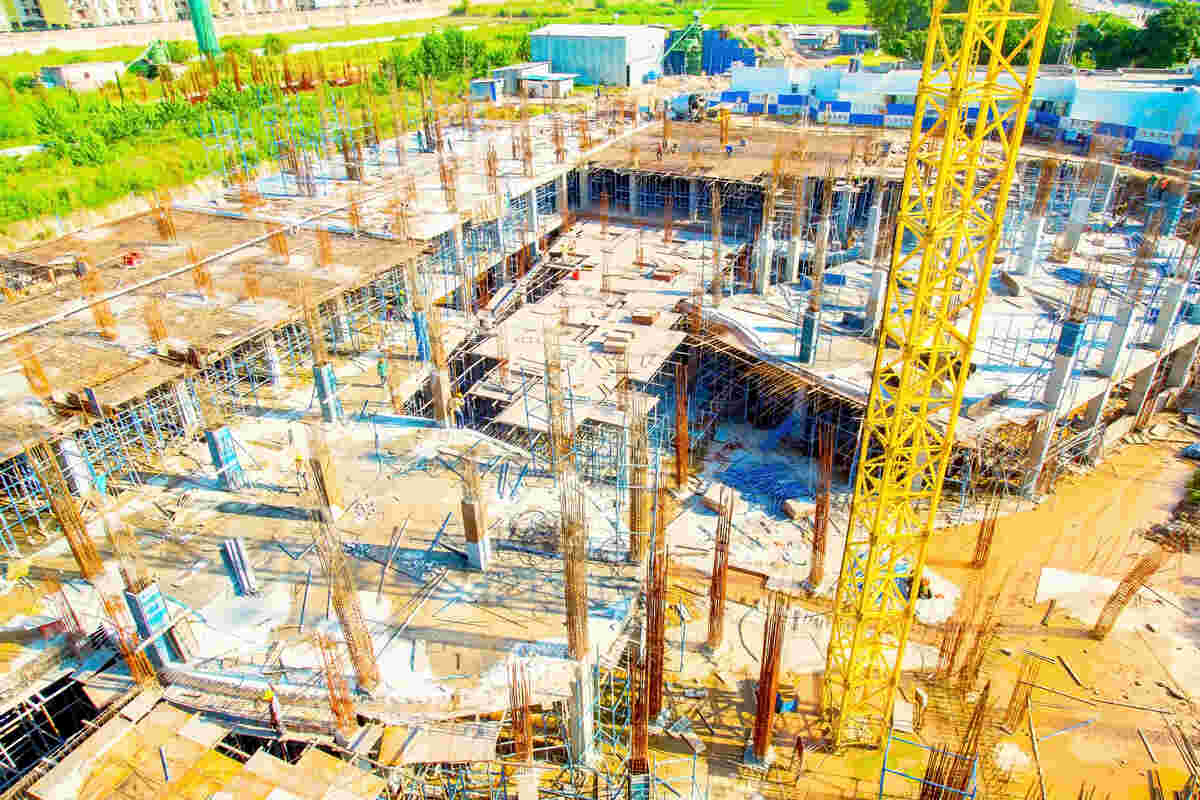
The widening permit-to-completion gap is a delivery challenge that requires strong internal coordination, not merely faster initial approvals. As commercial and institutional construction activity continues across Ontario, businesses benefit from moving away from fragmented delivery models towards a single accountable partner. Integrated project management reduces handoffs, protects budgets and minimizes material waste, ensuring faster, more predictable commercial openings.
Images from Depositphotos