How Much Does it Cost to Install AC in Canada?
A Look at Costs by System Type, Size and Regional Variations (Updated 2026)


KEY TAKEAWAYS
- The average cost to install central air conditioning in Canada is $5,000–8,500.
- Window air conditioners typically cost $200–$1,500 all-in. Ductless mini-split systems generally cost $3,000–$10,500.
- Labour is typically around 20 to 40 percent of the total installation cost.
- Ontario and Alberta often have slightly higher labour rates than the national average.
- Larger homes require higher-capacity systems, increasing both equipment and installation costs.
Air conditioning (AC) is one of the most effective ways to keep your home cool during Canada’s increasingly warm summers. But you may well ask, “How much can I expect to pay for one?” Prices obviously vary, but from our research, you can expect to pay between $5,000 and $8,500 for a professionally installed central AC system. But that’s for a fully fledged, all-singing-all-dancing AC setup.
Smaller options such as window air conditioners can cost as little as $200 to $1,500, while ductless mini-split systems typically range from $3,000 to $10,500, depending on the number of indoor units and the complexity of the installation.
Obviously, these are just rough estimates as several factors influence the final price, including the type of air conditioner, the size of your home, regional labour costs and whether additional electrical or ductwork upgrades are required. Read on to find out more.
💡 Did You Know?
We’ll be using the unit of measurement “ton” throughout this article, but did you know it has nothing to do with the weight of an air conditioner?
Before modern refrigeration, buildings were cooled using large blocks of ice. So, one ton of cooling refers to the amount of heat required to melt one ton of ice over a single day. In more modern terms, one ton of cooling capacity equals 12,000 BTU per hour, or roughly 3.5 kW.

Get the Green Building Project Checklist
Use this handy checklist on your next project to keep track of all the ways you can make your home more energy-efficient and sustainable.
What Size AC System Do You Need?
As you might expect, every property is different and so tends to need different AC sizes. Factors like location, building age, construction, local weather patterns, etc., all need to be factored in. How you intend to use the system will also change the price.
For example, if you just want it to provide cooling in a single room, the cost will be considerably lower than replacing your existing HVAC system with a central heat pump. That said, a good rule of thumb is as follows.
Air Conditioner Sizing Chart
*These figures are intended as estimates only. For best results, always seek out a professional HVAC contractor to calculate the correct system size using factors such as insulation, window area, ceiling height, orientation, occupancy and local climate.
| Home Size | Typical System Size | Estimated Cost |
| Up to 800 sq ft | 1.5 Ton | $3,000–$5,500 |
| 800–1,200 sq ft | 2 Ton | $4,500–$6,000 |
| 1,200–1,500 sq ft | 2.5 Ton | $5,000–$7,000 |
| 1,500–2,000 sq ft | 3 Ton | $5,800–$8,000 |
| 2,000–2,500 sq ft | 3.5–4 Ton | $6,500–$9,500 |
| 2,500–3,500 sq ft | 4–5 Ton | $8,000–$11,000 |
What is the Average AC Installation Cost by System Type?
As we’ve previously touched on, AC is a catch-all term for various systems that basically provide the same service but are very different in terms of size. As you’d expect, the smaller the system, the less you can expect to fork out for it.
While window units remain the most affordable option, central air conditioning continues to be the preferred choice for whole-home cooling. Homes without existing ductwork often benefit from ductless mini-split systems, which offer excellent efficiency and zoned temperature control.
Average Cost to Install Air Conditioning (by System Type)
| Air conditioner type | Typical cost |
| Single window AC | $200–$1,500 |
| Portable AC | $250–$1,300 |
| Single-zone mini-split | $3,000–$6,000 |
| Multi-zone mini-split | $6,000–$10,500+ |
| Central AC | $5,000–$8,500 |
| High-efficiency central AC | $8,000–$12,000+ |
What Affects the Cost of AC Installation?
As you may have already come to appreciate, several factors can significantly influence the overall price.
System Type Matters
One of the largest price-point factors when it comes to AC is the type of system you plan on installing. Window units are the cheapest to install, while central air conditioning systems require outdoor condensers, indoor coils, refrigerant lines, electrical connections and integration with your home’s ductwork. Multi-zone mini-split systems become progressively more expensive as additional indoor units are added.
How Much Space Needs Cooling or Heating?
As you’ve already guessed, the larger the home (specifically the volume of air inside), the larger the AC system needed to serve it. Installing an undersized system may leave parts of the house uncomfortable, while an oversized unit may cycle on and off too frequently, reducing efficiency and humidity control.
Do You Need Ductwork?
If your home already has well-maintained ductwork, installing central AC is generally more straightforward and, therefore, cheaper. Homes without ducts may require expensive duct installation or may be better suited to a ductless mini-split system.
How Efficient Do You Want Your AC?
Higher-efficiency models generally cost more upfront but consume less electricity throughout their lifespan. Depending on your local electricity rates and cooling requirements, the long-term savings may outweigh the higher purchase price.
Is Your Home AC ready?
Older homes sometimes require upgraded circuit breakers, wiring or service panels before a new air conditioner can be installed safely. These improvements can add several hundred, or even several thousand dollars to the total project. You may also require some other improvements, like less leaky windows, insulation, etc, to get the most out of an AC system.
AC Installation Costs: Equipment vs Labour
Equipment Costs
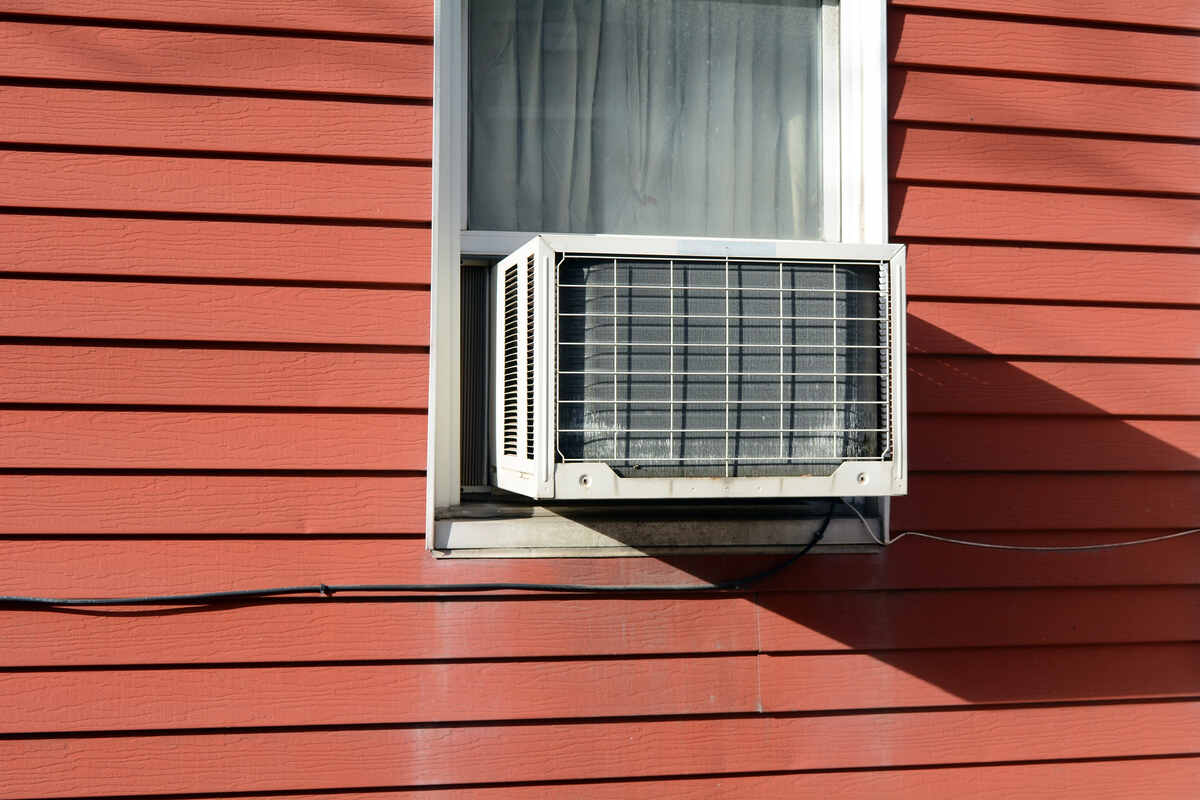
As you’d expect, the lion’s share of any AC installation cost is the equipment. In most cases, it typically constitutes between 60 to 80 percent of the overall installation cost and may include:
- Outdoor condenser
- Indoor evaporator coil
- Refrigerant line set
- Thermostat
- Mounting hardware
- Refrigerant
Higher-end brands and premium efficiency ratings naturally increase equipment costs.
Labour Costs
Professional labour usually ranges between $1,200 and $3,000, depending on installation complexity. Labour commonly includes:
- Removing existing equipment
- Installing the new system
- Electrical connections
- Refrigerant charging
- Pressure testing
- System commissioning
- Performance testing
- Final cleanup
More complicated installations requiring duct modifications or electrical upgrades will naturally take longer and cost more.
Average AC Installation Costs Across Canada
One of the most variable aspects of AC installations tends to be the cost of labour, rather than the equipment itself.
For example, Ontario generally has some of Canada’s highest HVAC installation costs due to higher labour rates and strong seasonal demand. Homeowners in large urban areas such as Toronto and Ottawa often pay towards the upper end of national pricing ranges.
Installation costs in other places like Alberta are broadly similar to the Canadian average. Labour rates in Calgary and Edmonton may be slightly higher than in smaller communities, although increased competition between contractors can sometimes produce competitive quotes.
Other provinces generally fall somewhere within the national average, although remote locations may experience higher transportation and installation costs.
Tips to Save Money
If you want to be as lean as possible with your AC install, there are several ways to keep costs under control without compromising quality.
- Request quotes from at least three licensed HVAC contractors and, ideally, those that come with recommendations from trusted sources.
- If at all possible, plan your installation during the off-season when demand is lower.
- While not a guarantee, it’s worth looking for provincial or utility rebates on high-efficiency systems.
- Try to avoid purchasing an oversized unit simply because it appears more powerful.
- Maintain existing ductwork where practical instead of replacing it unnecessarily.
A reputable contractor should also be able to perform a proper load calculation before recommending a system size.
Frequently Asked Questions
How much does it cost to install central AC in Canada?
Most homeowners spend between $3,000 and $8,500, although larger homes or premium systems can exceed $10,000.
Is a ductless mini-split cheaper than central AC?
In short, it depends. Single-zone mini-splits are less expensive than central air conditioning, but large multi-zone systems can cost just as much or more.
How long does installation take?
Most standard installations take between one and two days, although more complex projects requiring electrical or ductwork modifications may take longer.
Can I install central AC without existing ductwork?
Yes, but adding ductwork can be expensive. Many homeowners instead choose ductless mini-split systems, which require no ducts at all.
Does central air conditioning increase home value?
In many Canadian markets, central air conditioning is considered a desirable feature that may improve a home’s appeal to prospective buyers, particularly in regions with warmer summers.
How long does a central air conditioner last?
With regular maintenance, most central air conditioning systems should last 15 to 20 years at the very least.
Images from Depositphotos