

The federal government’s Spring Economic Update 2026 includes several measures that could influence the future of sustainable construction, building retrofits and energy efficiency projects nationwide.
While the update focuses broadly on economic resilience, housing and infrastructure, organizations in the green building sector say many of the announcements could help accelerate energy-efficient construction and retrofit activity at a time when Canada is facing housing shortages, rising energy costs and growing electricity demand.
Efficiency Canada recently highlighted several areas within the update that could have direct impacts on the construction and building sectors.
WATCH | Finance Minister presents the 2026 Spring Economic Update
Skilled Trades Funding Targets Construction Workforce
One of the largest commitments is the federal government’s new Team Canada Strong initiative, which aims to recruit, train and hire between 80,000 and 100,000 new Red Seal skilled trades workers by 2030-31.

Get the Green Building Project Checklist
Use this handy checklist on your next project to keep track of all the ways you can make your home more energy-efficient and sustainable.
The initiative includes $2 billion for paid apprenticeship placements, up to $10,000 per apprentice to help employers retain workers and a weekly apprenticeship training grant of $400.
The funding is expected to support industries tied to housing construction, electrification, HVAC installation and large-scale retrofit work, all of which continue to face labour shortages.
Modular and Panelized Construction Gets Attention
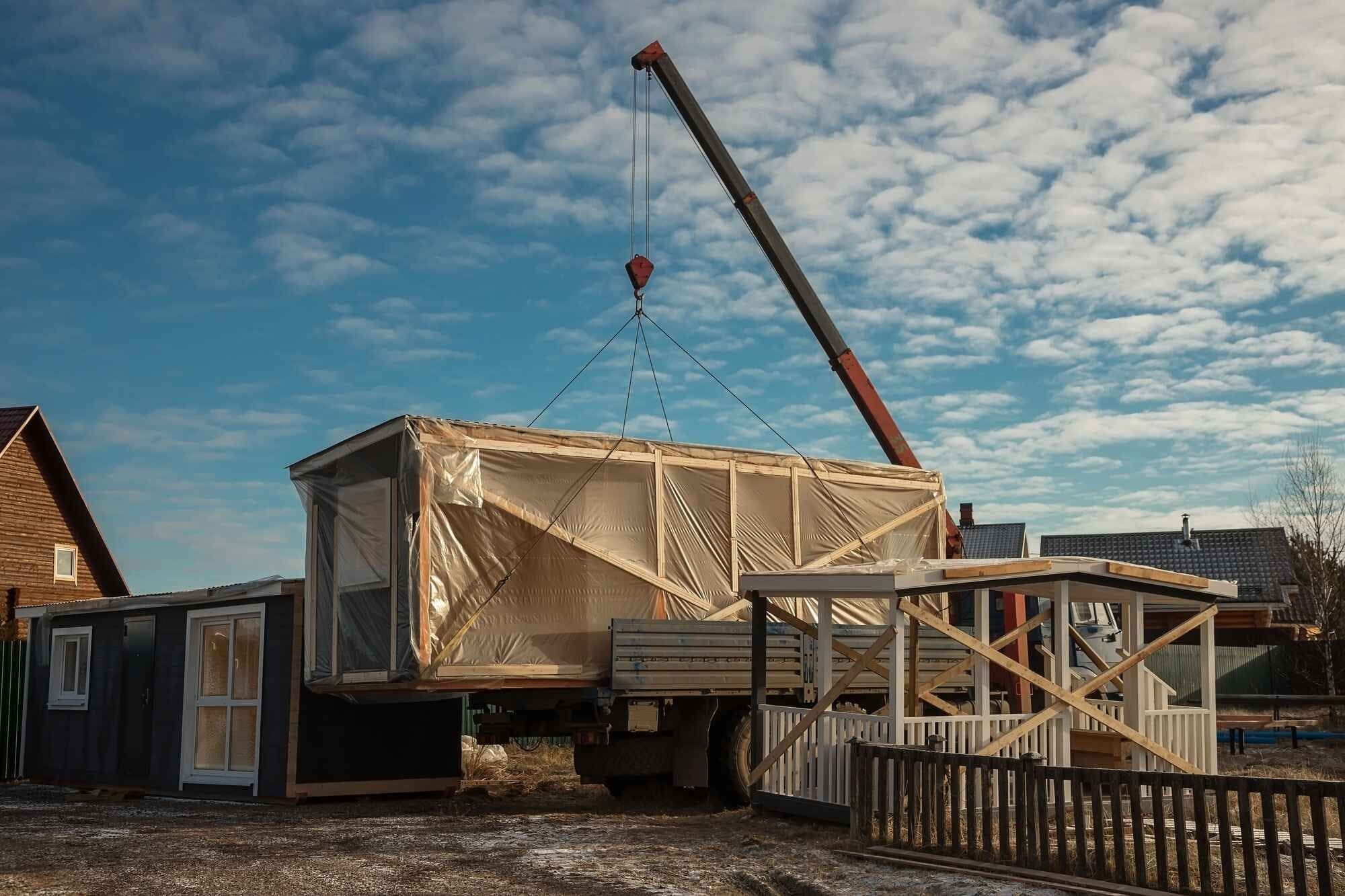
The Spring Economic Update also includes new funding tied to building innovation and construction approvals.
Ottawa is allocating an additional $41.9 million to the National Research Council, the Standards Council of Canada and Innovation, Science and Economic Development Canada to support updates to National Model Codes.
Part of the funding will help create a performance-based approval pathway for modular and panelized building systems. Industry groups say the move could speed up housing development timelines while encouraging more energy-efficient building practices.
Retrofit Funding Could Support Public Infrastructure Upgrades
The federal government’s recently launched $51-billion Build Communities Strong Fund may also create opportunities for retrofit and climate adaptation projects.
According to Efficiency Canada, the fund’s Direct Delivery Stream could support large-scale building retrofits, while the Community Stream may help finance upgrades to public buildings and infrastructure such as recreation facilities, fire halls and transit-related projects.
The organization says retrofit providers and energy-efficiency companies should look closely at potential project opportunities tied to the fund.
Mortgage Changes and Tax Incentives in Focus
The economic update also notes that the federal government is exploring ways to modernize mortgage products. While details remain limited, industry advocates say new mortgage structures could eventually help homeowners finance energy-efficient upgrades and retrofits more easily.
The update additionally references efforts to streamline approvals for major nation-building projects and improve processes tied to the Scientific Research and Experimental Development Tax Incentive Program.
Efficiency Canada says similar simplification measures are needed for the Clean Technology Investment Tax Credit, which the federal government projects will account for $13.1 billion in spending between 2023 and 2034.
Electricity Grid Planning Includes Efficiency Measures
Another closely watched section of the update involves Canada’s future electricity system.
The federal government said it will soon release a discussion paper on building a stronger electricity grid, including energy storage and end-use applications. Efficiency Canada says the language signals growing recognition that improving energy efficiency and managing electricity demand will be critical as Canada expands its grid capacity.
Images from Depositphotos


