
Smart Shading
Reducing Cooling Loads in Canadian Homes

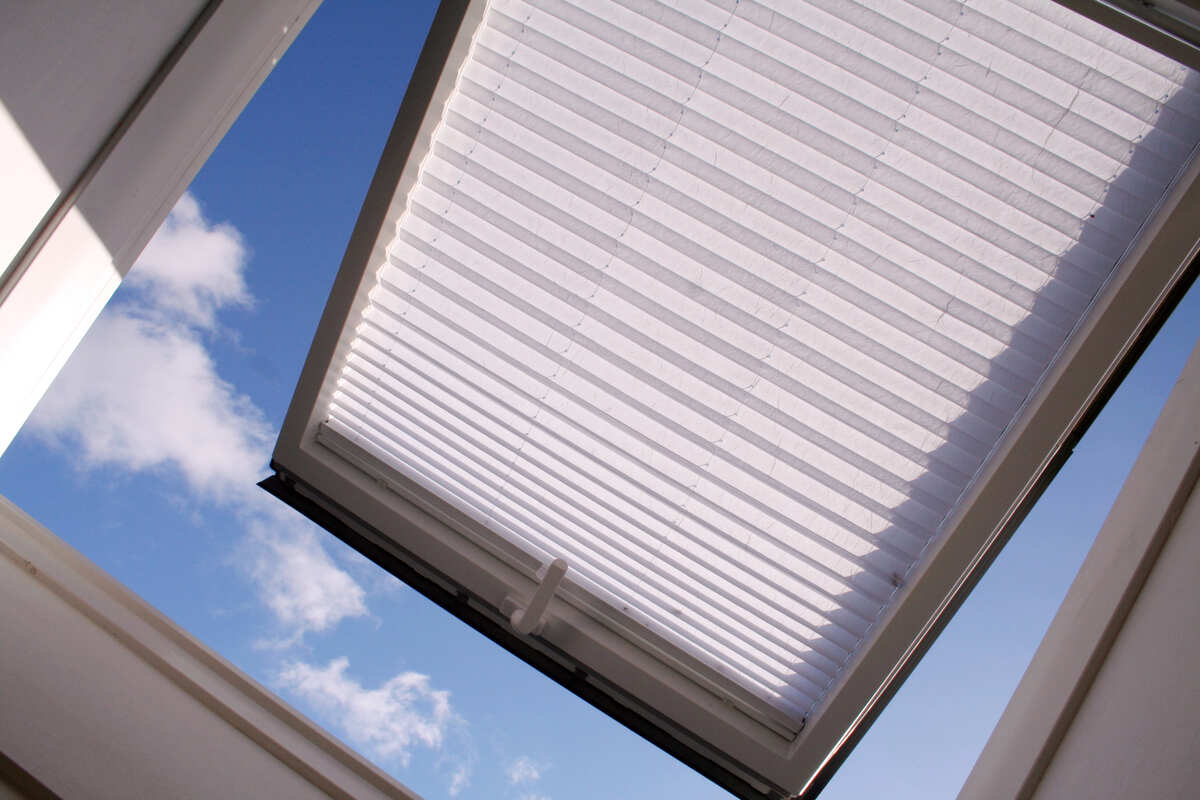
Canadian homes have traditionally been designed around keeping heat in. That remains essential, but it is no longer the whole story. Hotter summers, longer cooling seasons and larger areas of glass are making overheating a growing concern, particularly in condos, renovated homes and new builds with south- or west-facing windows.
The usual response is to turn down the thermostat. Yet by the time a room feels hot, solar energy has already passed through the glass and warmed the floor, furniture and interior surfaces. The air conditioner is then asked to remove heat that could have been limited at the window.
Smart shading offers a different approach. Instead of treating blinds or shades as decoration that occupants occasionally adjust, motorized systems can respond to schedules, sun exposure, indoor temperature and home-automation signals. Used well, they become a practical retrofit layer between the glazing and the mechanical system.
That does not make smart shades a substitute for insulation, air sealing or high-performance windows. It makes them a comparatively low-disruption way to manage one of the most variable parts of a home’s energy balance: the sun.
Why Windows Create a Summer Cooling Problem
Windows affect comfort in two distinct ways. Heat moves through the assembly because of the temperature difference between indoors and outdoors, while solar radiation passes through the glass and becomes heat after it reaches interior surfaces.

Get the Green Building Project Checklist
Use this handy checklist on your next project to keep track of all the ways you can make your home more energy-efficient and sustainable.
Natural Resources Canada uses the solar heat gain coefficient, or SHGC, to describe how much solar heat a window admits. A lower SHGC reduces the load on a cooling system, but the ideal value depends on climate, orientation, insulation, available shading and whether useful winter solar gain is part of the design strategy. In other words, there is no single glazing specification that is perfect for every façade and every season.
That seasonal tension is especially relevant in Canada. Winter sun can be useful, while the same window may cause severe overheating in July or August. Fixed solar-control film or permanently low-solar-gain glazing can reduce summer heat, but it also reduces the homeowner’s ability to take advantage of the sun when conditions change.
A movable shade preserves that choice. It can be open when daylight or winter heat is welcome and closed when direct sun would create glare or raise the cooling load.
Motorized Is Not the Same as Automated
A motorized shade moves with a switch, remote or app. An automated shade moves because a programmed condition has been met.
That distinction determines whether the system delivers only convenience or consistently manages solar gain. Homeowners often know that closing a shade on a hot afternoon will help, but manual operation is unreliable. People leave home, forget, avoid closing a hard-to-reach shade or lower every shade long after the room has already heated up.
Automation makes the action repeatable. Depending on the control platform, a useful sequence might consider:
- time of day and season
- window orientation
- local sunrise and sunset times
- indoor or outdoor temperature
- direct-sun or illuminance sensors
- thermostat mode
- occupancy
- a manual override for view, privacy or special activities
The most effective setup is not necessarily the most complicated. A reliable schedule based on orientation can outperform a sophisticated system that occupants regularly disable because it behaves unpredictably.
What an Energy-Aware Shading Sequence Looks Like
The goal is not to keep a home dark. It is to block unwanted solar gain only where and when it is likely to create a cooling penalty.
Morning: Treat East-Facing Rooms Separately
East-facing glazing receives low-angle morning sun. In a bedroom, kitchen or home office, the shades may need to lower shortly after sunrise during the cooling season, then reopen later in the morning when the direct exposure has passed.
A whole-home “close at noon” command would miss this load entirely. Orientation-based zones are therefore more useful than treating every window as one group.
Midday: Preserve Useful Daylight
High summer sun on a south façade is often easier to control with overhangs or exterior shading. Where architectural shading is absent, a solar screen fabric can reduce glare and solar intensity while maintaining some view and daylight.
The system should lower only as far as necessary. Partial deployment can be enough to shade the occupied area while leaving the lower portion of the window open, depending on the shade type and sun angle.
Afternoon: Prioritize West-Facing Glass
West windows are often the most difficult. They receive intense, low-angle sun late in the day, when outdoor temperatures and internal heat gains may already be high. Lowering shades before direct sunlight reaches the glass area serving an occupied room can prevent the space from preheating before the evening peak.
“For automated shading to reduce cooling loads effectively, timing matters,” notes Toronto Window Treatments. “West-facing shades often need to lower before the room starts overheating, rather than after the indoor temperature has already risen.”
Evening and Night: Release Heat Strategically
Once direct exposure has passed, shades can reopen if outdoor conditions, privacy and glare allow. During shoulder seasons, opening coverings may help occupants use daylight longer. In winter, a separate sequence can admit useful sun during the day and close insulating shades after sunset to reduce radiant discomfort near the glass.
Choosing the Right Shade for the Job

Automation cannot compensate for a fabric or product that is poorly matched to the window. For skylights, angled windows, and complex architectural glazing, the solution is not simply to “find a blind that fits.” The solution is to design a custom window treatment system around the glass, the room, the exposure and the way the space is used.
Solar Screen Shades
Solar shades are designed to filter direct sunlight, manage glare and preserve outward views. Their openness factor describes how much of the fabric is open area. Lower openness generally provides more glare control and privacy during daylight, while higher openness preserves a clearer view.
Colour also matters. Darker screen fabrics can improve the view through the shade and reduce visible glare, while lighter exterior-facing surfaces tend to reflect more solar energy. Performance varies by fabric construction, so appearance alone is not a reliable specification.
Cellular Shades
Cellular shades add an insulating air layer at the window. This makes them useful in climates where the same product must address summer solar gain and winter heat loss. They are especially relevant for bedrooms and other rooms where full closure is acceptable at certain times.
Blackout Shades
Blackout fabrics are effective when darkness is part of the requirement, but they are not automatically the best whole-home energy solution. A fully opaque shade may encourage occupants to switch on electric lights and may eliminate a valued view. They work best where room function justifies complete light control.
Exterior Shades and Awnings
Exterior shading has a fundamental advantage: it intercepts solar radiation before it passes through the glass. A Canadian Centre for Housing Technology study found that retractable awnings installed over selected south-facing windows reduced cooling energy by 18 percent in the test house while leaving part of the view available. Results will vary by building, climate and operation, but the physics are consistent.
Interior shading is often easier to retrofit in a condo or existing home. Exterior shading can be more effective for solar control where the façade, ownership rules and weather exposure permit it.
The Retrofit Hierarchy Still Matters
Calling smart shading “low-carbon” requires some discipline. The system contains fabric, hardware, motors and electronics, all of which have an embodied footprint. Its environmental case depends on durable products, appropriate controls and actual reductions in operational energy or peak cooling demand.
Before specifying automation, homeowners should address obvious envelope problems:
- Seal uncontrolled air leakage around frames and penetrations.
- Repair failed glazing or damaged weatherstripping.
- Evaluate whether the existing window is near the end of its service life.
- Use fixed architectural shading where it is practical and seasonally appropriate.
- Add movable shading to manage changing exposure, privacy and comfort.
- Coordinate the shading sequence with the thermostat and lighting controls.
This hierarchy avoids using technology to mask a basic repair issue. It also helps right-size the solution. A single west-facing room may need one automated shade, while a glass-heavy home may benefit from several facade-based zones.
Integration With the Smart Home
For homeowners considering motorized window coverings, interoperability deserves as much attention as fabric and colour. A useful system should fit the home’s control strategy rather than requiring a separate app for every device.
At a minimum, ask whether the shades can:
- follow local schedules without a continuous cloud connection;
- operate in groups by room and orientation
- accept input from sun, temperature or occupancy sensors
- coordinate with the thermostat or building-control platform
- report their position accurately after manual overrides
- remain operable during internet or automation-platform outages
Wired motors may make sense during a major renovation or in large homes with many shades. Battery-powered units reduce installation disruption but require a realistic maintenance plan. For either approach, quiet operation, accessible components and long-term availability of replacement parts matter more than novelty.
Commissioning Is Where the Savings Begin
A smart shading project is not complete when the motors move. It is complete when the controls respond appropriately to the actual building.
Commissioning should confirm shade direction, travel limits, group assignments and sensor behaviour. The installer or integrator should then test the sequence during representative sun conditions. A west-facing room that still overheats may need an earlier closing time, a different shade position or a fabric with stronger solar control.
Occupants also need an easy override. Energy performance will not last if the system interferes with a view, darkens a workspace unnecessarily or surprises people. A good sequence should be quiet and largely unnoticed, with manual control available when priorities change.
After the first cooling season, compare indoor temperature patterns, air-conditioner runtime and peak electricity use where monitoring is available. This will not produce a laboratory-grade result, but it can reveal whether the system is acting early enough and whether certain zones are contributing more than expected.
What Smart Shading Can and Cannot Do

Smart shades can reduce direct solar gain, improve comfort near windows, manage glare and help the cooling system avoid unnecessary work. They can also make a passive measure more dependable by operating it at the right time.
They cannot repair air leakage, replace failed insulated glazing or compensate for an undersized mechanical system. Nor will every project produce the same energy savings. Window area, orientation, glass type, shade properties, climate, thermostat settings and occupant behaviour all affect the result.
The strongest case is often a home with substantial east-, south- or west-facing glass, recurring summer overheating and a shade that occupants already know they should close but rarely do at the right time.
A Responsive Layer for a Changing Climate
The value of smart shading is not that it adds another connected device to the house. It is that it makes the building envelope more responsive.
Canadian homes need to retain heat during long winters while becoming better prepared for summer peaks. Movable, well-controlled shading supports both goals: open when solar energy and daylight are useful, closed when they create discomfort and cooling demand.
As a retrofit, it is relatively focused, adaptable and compatible with other upgrades. The result is not a “smart home” for its own sake, but a home that asks its mechanical systems to do less.
Images from Depositphotos


