
4 Things to Know Before You Renovate Your Home
Reno-Green Column

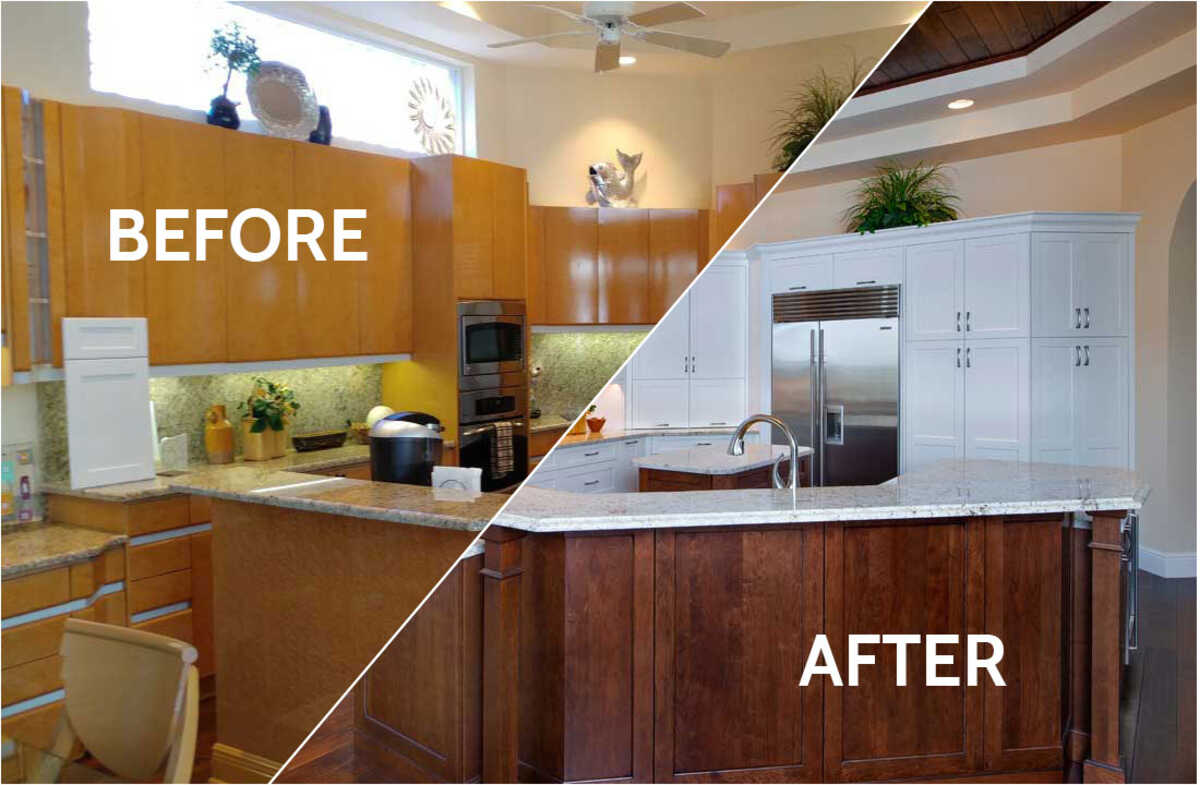
A study released by Mortgage Professionals Canada in 2023 claimed that seven out of ten homeowners have already renovated their home or plan to in the near future. Canadians far outdo our American neighbours who rarely get past 50 percent. Given the fact that a majority of Canadian homeowners’ financial equity is tied up in their homes, it’s easy to see why this is an ongoing trend. I am going to provide some guidance on how to begin this popular process.
The internet is filled with “Home Renovation Checklists” and while they all have some individual touches, they are dramatically similar. They all start with the recommendation to decide on what you want to upgrade, then figure out if you can afford it, find a contractor and hope that all goes well.
For years I have recommended a slightly different path and have received numerous “thank yous” from those who found that by adding these steps, they have saved time, grief and money.
Get a Home Inspection Done
Number one on your checklist should be a building or home inspection. This independent set of skilled eyes will address the overall condition of your home. A home inspector has no financial interest in the home, other than his fees, so has no reason to sugarcoat any issue he finds. Numerous times I have heard that the home inspector found foundation issues, HVAC or electrical capacity that is not sufficient to allow major renovations or air quality issues in a home. It is best to find this out at the beginning so the budget numbers can be adjusted to allow for these necessary upgrades.
Get the Green Building Project Checklist
Use this handy checklist on your next project to keep track of all the ways you can make your home more energy-efficient and sustainable.
While finding a reputable, skilled renovation contractor can be difficult, finding a skilled home inspector is generally not as hard. Most reputable home inspectors in Canada belong to the Canadian Association of Home and Property Inspectors (CAHPI). Two provinces, Alberta and British Columbia, have actually legislated home inspector licensing a few years ago.
There is one recognized standard: the RHI (Registered Home Inspector). This individual has reached their highest level of training, education and experience. The next step is to research the CAHPI website and find a list of local inspectors. There are numerous inspectors who are either retired tradesmen, home builders or have attained higher education in building methodology. If you can find one who is a retired builder, he should be high on your list to hire. Explain to the inspector what you are looking for in an inspection, ask if they have done this type of work, if they are insured and what they charge.
You can expect an inspection to cost you in the $500 to 700 range and you should receive a full report. Once the inspection is done you now have a cost reasonable, independent third-party opinion on the condition of your home.
Shoot Photos and Make Notes
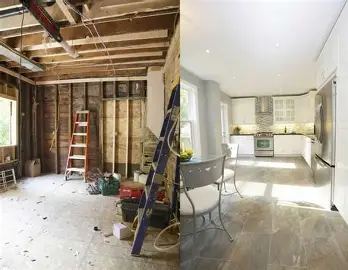
The next step is to document your home by taking pictures of the areas you intend to upgrade. I can’t count the number of times a client of ours provided pictures to help us as we renovated their home. Once the walls are cleared and mechanicals removed, the visual change in the space is dramatic. Create a floor plan drawing and then stand in the area from two or more positions. You will be surprised how different a room can look from different angles and lighting. Try and pick a sunny day with all the blinds or drapes open. Make notes directly on your floor plans. If this is a major interior renovation then an interior designer may be worth the money.
Consider Climate Resilience and Energy Efficiency

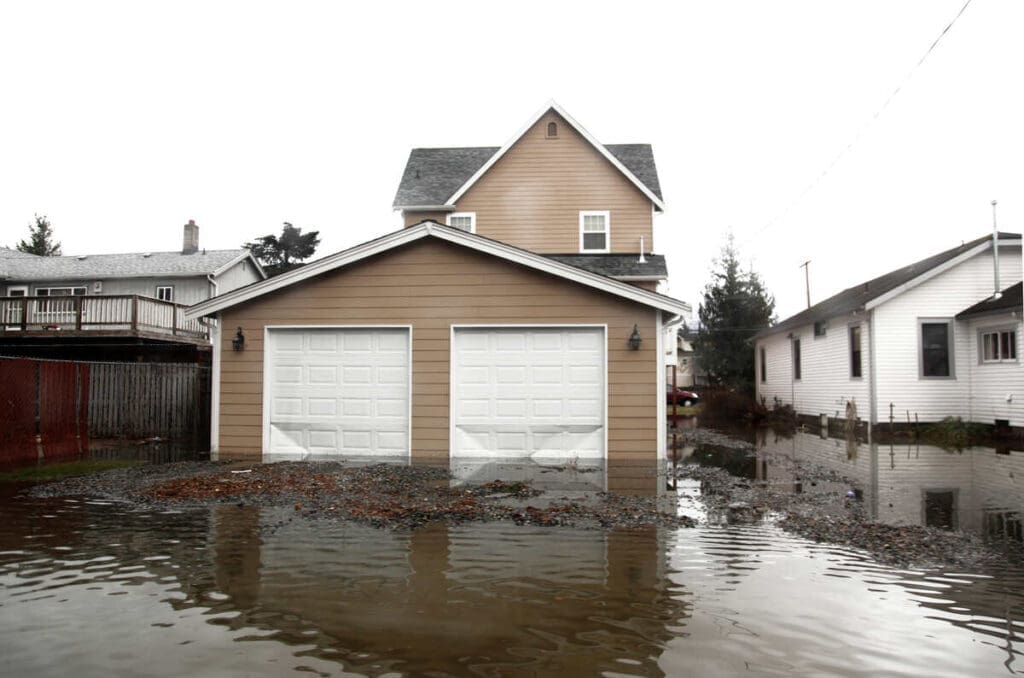
My third suggestion is to renovate with some serious consideration to the times we live in. As the climate crisis affects our lives, resilience in our homes is becoming a necessity. Climate extremes are affecting our homes and some manner of climate fortification should be part of your renovation plans. Improvements like metal roofing, cementitious formulated siding, impact-resistant windows, advanced air sealing and a backup power system are worth consideration.
Adding insulation is a common upgrade. Before installing attic insulation, if accessible, add hurricane ties to the rafters/trusses and plates of your wall assembly. Investigate how the walls are attached to the wood plate of the foundation for your home. There are a number of tension ties and “L” brackets available to improve the wall-to-plate security that can be added during a renovation. This is also the point where a slow, careful review of floor to wall joints, existing windows and doors should be done and then proper urethane sealants added to help reduce air loss.
Dealing With Contaminants
My last suggestion is directed more towards homes built before 1980. Asbestos, lead and other contaminants were common in flooring, ceiling tiles, insulation and paint. While your home inspector may tag some of these issues, bring in a reputable, certified indoor air quality contractor to review the home for possible issues.
Contaminated materials used to be very common in home building. One government program in the early 70s, CHIP (Canadian Home Insulation Program), actually recommended an asbestos insulation called Zonolite. That said, not all vermiculite contains asbestos so testing is necessary. Another insulation that was applied by a spray application was called UFFI (Urea Formaldehyde Foam Insulation) and this material was later banned due to the health hazards from off-gassing. While this happened in the 1970s, it is now generally accepted that this off-gassing has dissipated. That said, the test is worth having done, just to be sure.
The last air quality concern is mould and this can happen to homes of any age. The most common areas are damp basements and attics where ventilation is lacking. In an attic it is often seen as black stains on the decking and during the winter, the shingle nails will be frosted, indicating a ventilation issue.
There are ways to test for and remove mould in attics. Dry ice extraction is the most effective and cost reasonable. While there are homeowner methods, this is best left to the pros to remove. Once this is done, upgrade your attic ventilation. Basement mould is often an extensive, costly remedial effort and should be addressed by a professional contractor (Learn more about mould inspection and remediation and find out what you can expect to pay for those services in this article).
As you proceed with your renovation, energy efficiency should be on your agenda and this means sealing your home properly and installing some method of controlled air exchange. You will want to ensure that any past air quality issues have been fully addressed and your home is ready for the final steps of your renovation.
While these steps will significantly reduce any surprises when the walls and ceilings are exposed I can pretty much guarantee that you will be saying after a hidden defect surfaces “how did that get there,” at least twice. Most of the online renovation lists recommend a 10 to 15 percent budget reserve to accommodate any buried issues. We preferred the figure of 25 percent and given today’s material costs, this has proven to be a good buffer within most budgets.
Come back next Thursday as Cam will be explaining some common contractor lingo that’s helpful for a homeowner to know when discussing their project. You can find the Reno-Green column at any time by looking for the Knowledge>News & Columns section in the top menu.
Have a Home Renovation Question?
Write it down below and we’ll get back to you. All questions get answered – every week, we’ll select one for publication in the column.

I took the Home inspectors course at BCIT here in Vancouver for my own use, not to become a home inspector for higher. I did several family members homes of different vintages and concourse with many of your statements about the process. Very few decisions about renovations will put home structure cost before a decorating cost in tight budgets, how do you explain it to people about the budgeting priorities. We all know about climate change and happens at different rates per location, but do you recommend doing all that can be done first to improve the home IE: insulation and best mechanical insulating windows or a high end stove which should have the priority?