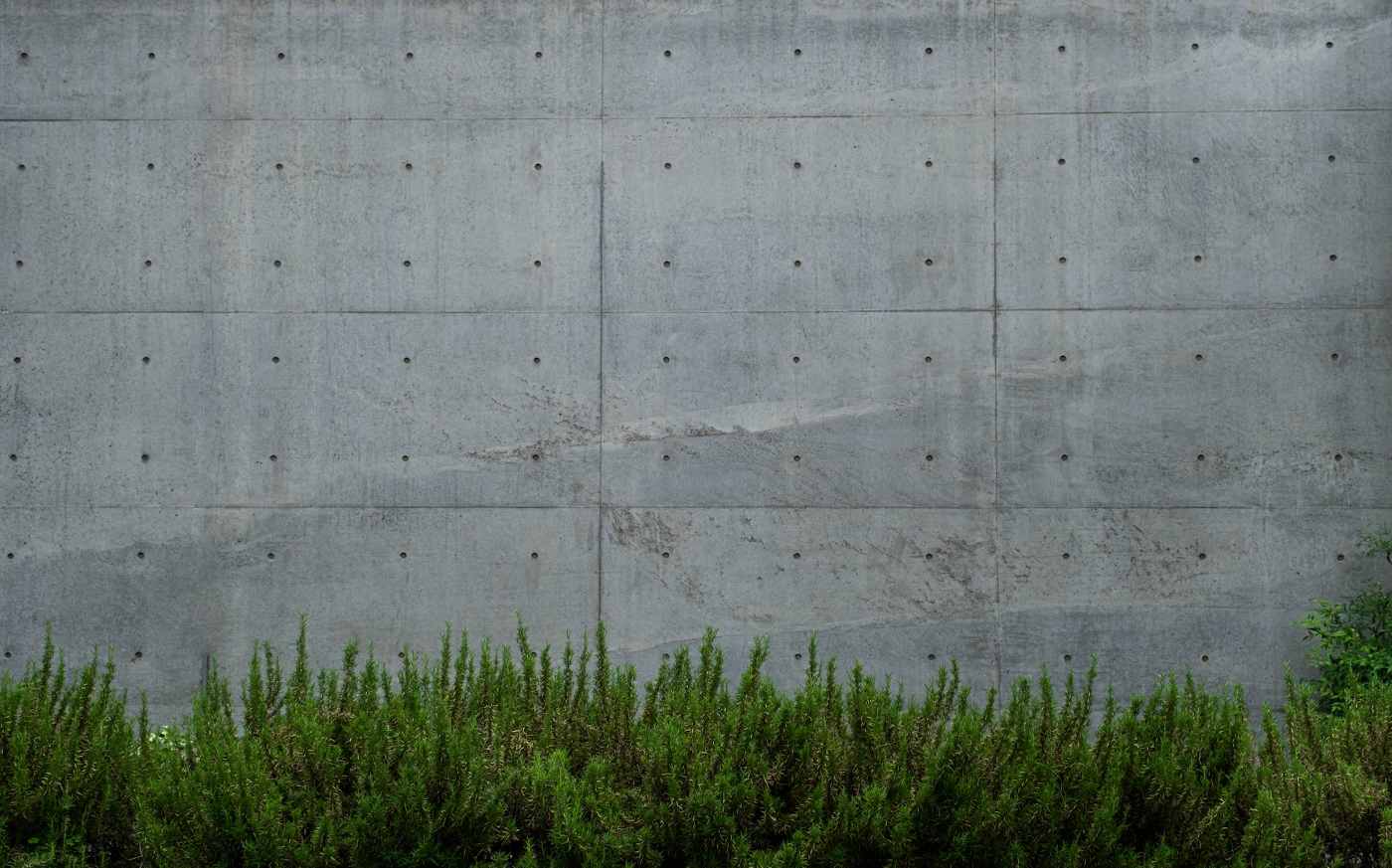
Concrete is not only the most commonly used construction material – after water, it’s the second most used material in the world. There’s good reason for its ubiquity. It’s strong, durable and relatively inexpensive – making it a hard material to replace. But all that concrete comes at a cost: it’s not environmentally friendly.
The good news is that there are now more options than ever for eco-friendly concrete. We’ll explore those options and discuss the pros and cons of each. Let’s get started.
Options for Stamped Concrete
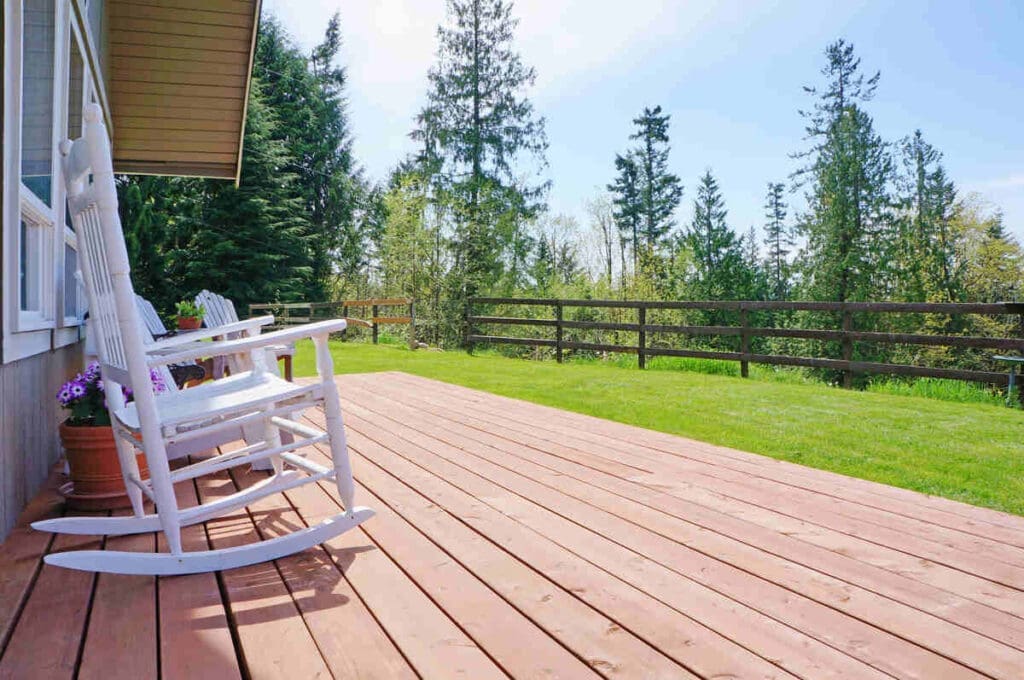
Stamped concrete is a popular choice with people who want to add some visual interest to their concrete projects. Stamped concrete can look like wood, tile or even stone.
As with any concrete, the two big environmental considerations with stamped concrete are the materials it’s made of and how it’s manufactured. Paying attention to both can make this a more sustainable option than you might think at first glance.
It’s made from a mixture of Portland cement and other binders that are stamped or pressed into the wet concrete before it dries. To get the greenest product, look for recycled or reduced-carbon materials and for suppliers who use lower-emissions fuel sources and carbon-capture technology in the manufacturing process.
You can get a perfectly stamped concrete patio that will last for years to come. Although it can be more expensive than traditional concrete and may not be the most cost-effective choice, stamped concrete can be worth considering.
Here are a couple of types of stamped concrete to consider:
Get the Green Building Project Checklist
Use this handy checklist on your next project to keep track of all the ways you can make your home more energy-efficient and sustainable.
Cast-in-place concrete – this type of stamped concrete is poured into place and then stamped. It offers the most realistic look and feel, as it’s made on-site.
Prefabricated or precast concrete – prefabricated or precast concrete is made offsite in a factory and then delivered to the job site. Prefabricated or precast options generally cost less than cast-in-place but offer fewer design options. You can read more about precast concrete by visiting our guide to Advanced Foundation Structures and Technologies.
Recycled Concrete
Recycled concrete is one of the most sustainable options when it comes to concrete construction.
It’s made from recycled materials such as demolition debris and old roadways, which helps reduce our reliance on natural resources.
Recycled concrete has several advantages over traditional concrete: it’s more durable, produces fewer carbon emissions during production and requires less energy to make than traditional concrete.
Plus, it can be used for a variety of projects, including paving roads and driveways or building walls and foundations. If you’re looking for an eco-friendly option that won’t break the bank, recycled concrete is worth considering.
Permeable Concrete
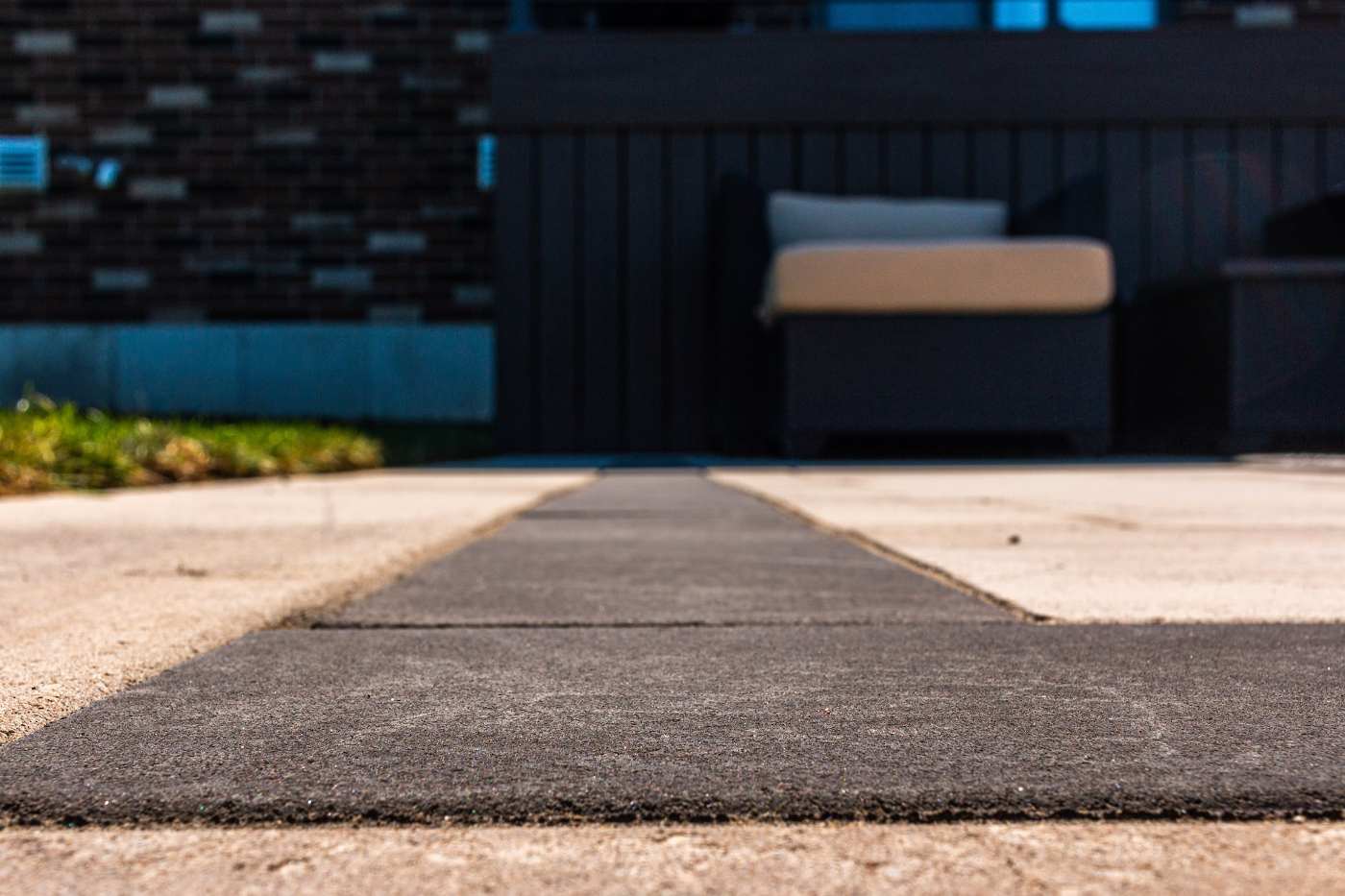
Permeable concrete is becoming increasingly popular as an eco-friendly solution for both residential and commercial applications.
Permeable concrete is porous, which allows water to pass through it rather than running off into nearby waterways. This helps reduce flooding, protect the environment and reduce water pollution.
Permeable concrete acts as a natural filter that traps pollutants and prevents them from entering the soil. It can also be used in conjunction with rainwater harvesting systems, making it even more efficient at controlling runoff and conserving resources.
How Permeable Concrete Is Used
Permeable concrete is often used in residential and commercial applications. It’s great for driveways, patios and walkways because it eliminates the need for traditional drainage systems that can be costly to install.
This makes it an ideal choice for low-impact development projects. It’s also commonly used in green roofs and rainwater harvesting systems, as it helps reduce runoff while still providing a sturdy surface.
Blended Cement
Blended cement is a combination of traditional Portland cement and other materials, such as fly ash or slag. Fly ash and slag are by-products of coal burning and steel manufacturing, respectively.
By using these materials in place of some of the traditional cement content, blended cement produces fewer emissions during production. The result is more eco-friendly concrete that reduces your carbon footprint without sacrificing quality.
Blended cement can also be used to create decorative finishes on projects, making them an attractive option for those who want to add a bit of visual interest to their projects while still being eco-friendly.
When it comes to blended cement, consider the following factors:
The types of materials used – Blended cement typically contains Portland cement, fly ash or slag. Depending on the type and amount of these materials used in the mix, you can achieve various levels of strength and durability.
The environmental impact – As blended cement is made from recycled materials, it produces fewer carbon emissions than traditional concrete. This helps reduce your project’s overall environmental impact.
Cost – Blended cement is often more expensive than traditional concrete, but the cost difference can be offset by the fact that there are fewer emissions to pay for during production. Plus, you can save money in the long run with a stronger, more durable surface.
High-Performance Concrete
High-performance concrete is becoming increasingly popular because it offers the same durability and strength as traditional concrete with less environmental impact.
These types of concrete use advanced materials such as carbon nanotubes, graphene and nanoclay to create stronger bonds that make them more durable and resistant to cracking.
In addition, high-performance concrete often requires less material than traditional concrete, making them a great option for those looking for an eco-friendly solution that won’t break the bank.
Finally, high-performance concrete can be used in a variety of applications ranging from residential construction to commercial projects, making it a versatile and sustainable choice.
How to Decide Which Is Right for Your Project
When choosing the right type of concrete for your project, it’s important to consider all factors such as cost, environmental impact, performance and durability.
Permeable concrete is a great choice if you’re looking to reduce runoff, such as for a driveway. Blended cement is an excellent option if you want to cut down on emissions. And high-performance concrete is perfect for those who need a strong and durable surface with less environmental impact.
Being eco-friendly doesn’t mean sacrificing quality when it comes to concrete. There are several types of sustainable concrete available, each with its own unique benefits and drawbacks. No matter which type of concrete you choose, make sure to do thorough research beforehand so that you can make an informed decision.
Feature image: Van Peng; Image 1: Dylan McLeod