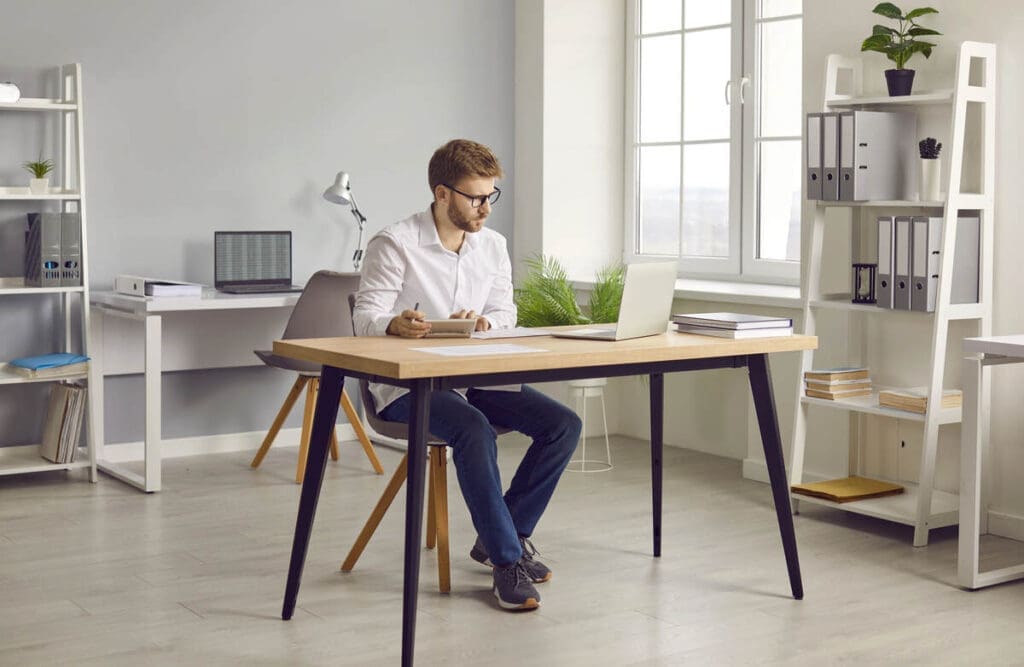
How Motion and Automation Contribute to Modern Green Buildings

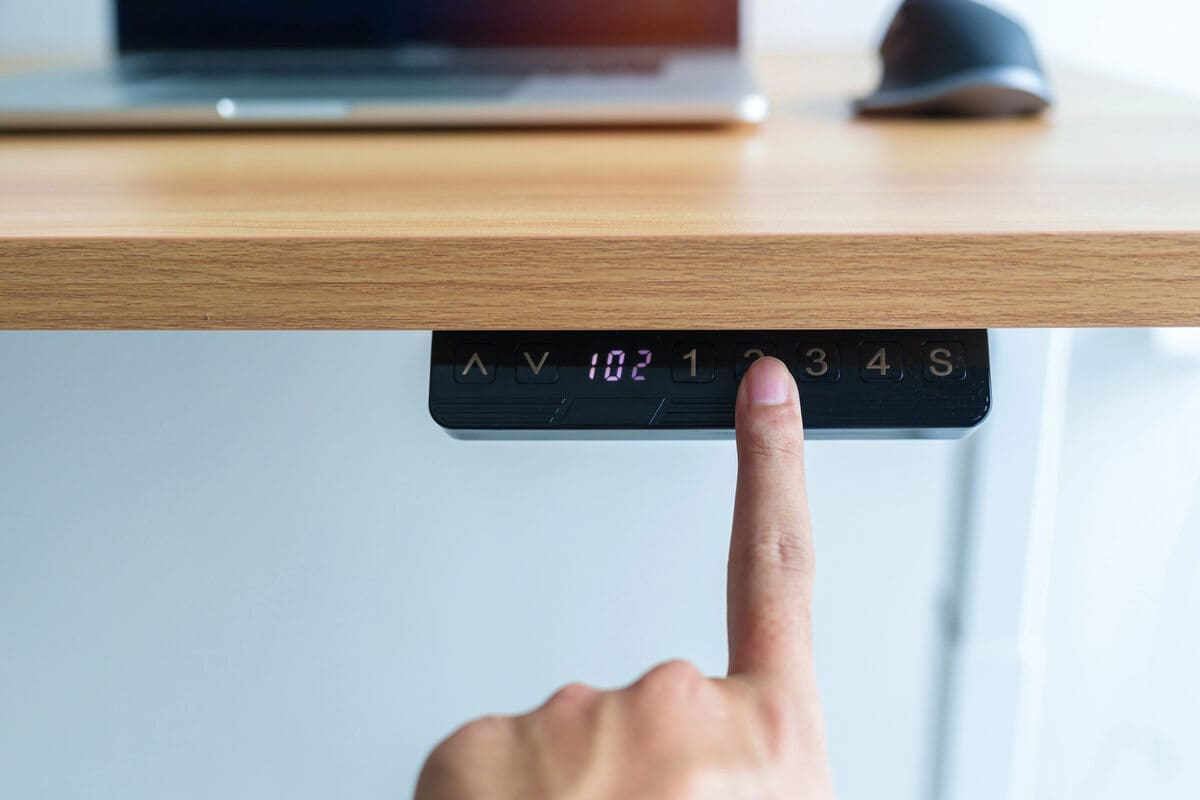
Motion and automation are quietly reshaping how green buildings work. Instead of fixed, single-use rooms, modern sustainable spaces adapt to the people in them: desks that rise and lower, surfaces that adjust for accessibility and rooms that change function at the push of a button. This flexibility saves space, supports health and cuts waste, three goals at the heart of green building. Here’s how it works.
What does Motion and Automation Mean in a Green Building?
In plain terms, it’s using quiet motors to move parts of a building or its furniture, so a space can change shape or height on demand. Think height-adjustable desks and counters, motorized lifts for hidden storage and surfaces that raise or lower for comfort and access. The technology behind most of it is the linear actuator, a compact motor that moves things in a straight line, smoothly and quietly.
Why Does Adaptability Matter for Sustainable Buildings?
Green building is about doing more with less. A room that adapts to several uses can replace several single-purpose rooms, which means less floor space, fewer materials and a smaller footprint. Flexible, motorized spaces also last longer, because they can be reconfigured as needs change instead of being torn out and rebuilt. The WELL Building Standard, a leading healthy-building framework, even rewards spaces that are designed to be adaptable and to keep people moving.
How Does Motion Support Healthier, More Accessible Spaces?

Get the Green Building Project Checklist
Use this handy checklist on your next project to keep track of all the ways you can make your home more energy-efficient and sustainable.
Buildings that move with their occupants are simply healthier to be in. Height-adjustable desks and workstations let people switch between sitting and standing through the day, which is easier on the body, as the Mayo Clinic’s office ergonomics guidance explains. Adjustable counters, tables and lifts also make kitchens, labs, and workspaces usable for people of every height and ability, including seniors and wheelchair users. That kind of universal, accessible design is a core goal of modern green and healthy buildings.
What Powers Adjustable, Motorized Building Features?
Most adjustable building features run on lifting columns: sturdy, motorized legs that raise and lower a surface smoothly and quietly. They’re built on the same linear-actuator technology used across automation, and they can be combined in sets of one to four columns to lift anything from a small desk to a heavy industrial workbench. Because they’re modular and move in sync, they suit a huge range of green building projects.
| Number of columns | Best for |
| 1 column | Compact desks, hidden storage and small lifts |
| 2 columns | Sit-stand desks and adjustable tables |
| 3 to 4 columns | Large or heavy surfaces: workbenches, lab and industrial tables |
What Can Lifting Columns Actually Lift?
Lifting columns come in a wide range of capacities to match the job, from around 82 kg (180 lbs) per column for compact desks up to about 590 kg( 1,300 lbs) per column for heavy industrial tables and lab equipment. You can use a single column for a small lift or combine two, three or four for larger, heavier surfaces, with the columns moving together in sync. Height ranges vary by model, so there’s an option for low-profile hidden lifts as well as tall, full-standing workstations.
How Do You Bring Motion Into a Project?
Adding adjustable, motorized features to a project is more straightforward than it sounds. Modern lifting columns are plug-and-play and synchronized, with built-in safety features like anti-collision sensors and overcurrent protection, so they’re designed to install cleanly and run safely. One concrete example of this technology is of a Japanese low dining table lift by supplier Progressive Automations. The table raises up to dining height then when it is not in use it can be lowered flush to the floor so it is hidden.
Frequently Asked Questions
What is a Lifting Column?
A lifting column is a sturdy, motorized leg that raises and lowers a surface, like a desk, table or workbench, at the push of a button. It runs on the same linear-actuator technology used in automation. Columns can be used on their own or combined in sets of two, three, or four for larger surfaces.
How Do Motorized Systems Make Buildings Greener?
They let one space do the work of several. A room or surface that adapts to different uses reduces the floor area, materials and energy a building needs. Adjustable, motorized features also last longer because they can be reconfigured instead of replaced, which cuts long-term waste.
Are Adjustable-height Features Good for Accessibility?
Yes. Adjustable counters, desks and tables can be set to any height, which makes a space usable for people of different heights and abilities, including seniors and wheelchair users. This kind of universal design is a key goal of healthy, inclusive green buildings.
How Much Weight Can a Lifting Column Hold?
It depends on the model. Lifting columns range from about 82 kg (180 lbs) per column for compact desks up to roughly 590 kg (1,300 lbs) per column for heavy industrial and lab tables. You can combine several columns for larger, heavier surfaces, and they move together in sync for smooth, even lifting.
Designing Spaces That Adapt to People
Motion and automation are helping green buildings become more flexible, accessible and efficient, doing more with less space and fewer materials. Whether it’s a sit-stand desk, an accessible counter or a heavy industrial table, motorized lifting columns make it possible to design spaces that adapt to people, rather than the other way around. It’s a small piece of technology with a big role in the future of healthy, sustainable building.
Images from Depositphotos