
Comparing Metal Roof vs Shingle Roof Costs
Which Roofing Option Makes More Sense From a Financial Perspective?

For many homeowners, the roof is one of the largest and most expensive long-term investments attached to a home. Yet choosing the right type of roof is not a straightforward decision. When it comes to deciding between a metal roof and asphalt shingles, both materials dominate the residential roofing market for very different reasons, and each comes with tradeoffs involving cost, lifespan, maintenance, energy efficiency and weather performance.
As extreme weather events become more common and homeowners increasingly focus on energy efficiency and long-term durability, metal roofing has grown rapidly in popularity across North America. At the same time, asphalt shingles remain the most widely installed residential roofing material because of their affordability, ease of installation and broad style selection.
The right choice ultimately depends on the homeowner’s priorities. Some are focused on minimizing upfront costs, while others are more concerned with reducing maintenance and avoiding future roof replacements. Climate, home design and expected ownership length can also heavily influence which roofing system makes the most sense.
While asphalt shingles remain the more affordable option upfront, metal roofing has continued to gain popularity because of its durability, lifespan and lower long-term maintenance requirements.
The right choice depends on far more than initial pricing alone. Climate, location, labour availability, roof complexity and even whether a home is located in an urban or rural area can all influence the final project cost.
Comparing Metal Roofs vs Shingle Roofs
| Type | $/sq ft installed | Typical home (2,000 sq ft) | Lifespan | Maintenance | Energy efficiency | Notes |
|---|---|---|---|---|---|---|
| Asphalt Shingles | ||||||
| 3-tab asphalt | $4 – $7 | $8,000 – $14,000 | 15 – 20 yrs | Medium | Poor | Worst performance in freeze-thaw |
| Architectural asphalt | $6 – $10 | $12,000 – $20,000 | 25 – 30 yrs | Medium | Poor–Fair | Better wind and impact resistance than 3-tab |
| Premium / impact-resistant | $10 – $16 | $20,000 – $32,000 | 30 – 40 yrs | Medium | Fair | Consider in hail-prone areas |
| Metal Roofing | ||||||
| Corrugated / exposed fastener steel | $9 – $14 | $18,000 – $28,000 | 30 – 45 yrs | Low | Good | Fasteners exposed to weather |
| Metal shingles / steel tile | $12 – $18 | $24,000 – $36,000 | 40 – 50 yrs | Low | Good | Mimics slate or wood shake; concealed fasteners |
| Standing seam steel | $18 – $25 | $36,000 – $50,000 | 50 – 70 yrs | Low | Very good | Concealed fasteners, thermal movement clips |
| Aluminum standing seam | $22 – $30 | $44,000 – $60,000 | 50 – 70 yrs | Low | Very good | Rust-proof; ideal for coastal or high-moisture climates |

Get the Green Building Project Checklist
Use this handy checklist on your next project to keep track of all the ways you can make your home more energy-efficient and sustainable.
Asphalt Shingle Roofing Costs in Canada
Asphalt shingles remain the most common residential roofing material in Canada largely because of affordability and widespread installer availability. They are used on everything from suburban tract homes to rural farmhouses and custom builds.
Most asphalt shingle roof replacements in Canada typically range between $5,000 to $15,000 for an average detached home. Larger homes, steeper roof pitches or premium architectural shingles can push costs higher, particularly in major urban markets. On a per-square-foot basis, installed asphalt shingle roofing often falls around $4 to $9 per square foot installed. Basic three-tab shingles remain the least expensive option, while laminated architectural shingles and premium impact-resistant systems cost more.
One reason shingles remain so popular is the relatively low labour complexity involved. Roofing crews are widely available across most Canadian markets, helping keep installation costs relatively competitive compared to specialized roofing systems.
Metal Roofing Costs in Canada

Metal roofing systems cost significantly more upfront but are increasingly viewed as a long-term investment by many homeowners.
Residential metal roof installations in Canada run from $12,000 to $35,000+ on average. High-end standing seam systems, custom metal profiles or complex roof designs can exceed these ranges substantially. Installed pricing averages between $10 to $20+ per square foot installed.
Several factors influence metal roof pricing, including:
- standing seam vs exposed fastener systems
- steel vs aluminum
- roof pitch and complexity
- custom flashing details
- snow retention systems
- regional labour availability
Standing seam metal roofs remain among the most expensive residential roofing options because of the specialized labour and fabrication involved.
Why Metal Roofing Costs More
The biggest factor behind metal roofing pricing is installation complexity. Unlike shingles, metal roofing systems require more precise installation techniques and specialized tools.
Expansion and contraction from seasonal temperature swings must be properly managed, especially in Canadian climates where roofs may experience significant freeze-thaw cycles throughout the year. Improper fastening or flashing details can eventually lead to leaks, oil canning or premature system failure.
Material costs are also considerably higher. Steel and aluminum roofing panels, concealed fastener systems and custom trim components all add to the total project cost.
However, many homeowners justify the higher upfront expense because metal roofs can often last 40 to 70 years or longer, compared to roughly 15 to 30 years for many asphalt shingle systems.
Regional Cost Differences
Roofing costs can vary substantially depending on where the home is located. In major urban centres such as Toronto, Vancouver and Calgary, labour rates are often significantly higher due to demand, insurance costs and contractor overhead. Homeowners in these markets frequently pay premium pricing for both shingles and metal systems.
In more rural regions, labour rates may sometimes be lower, but transportation costs can increase pricing, particularly for metal roofing materials that require specialized delivery or fabrication. Remote communities may also face reduced contractor availability, leading to longer wait times and higher project bids.
Climate also plays a role. In prairie provinces and Atlantic Canada, roofs may require stronger wind resistance and snow load considerations, while coastal regions may favour aluminum roofing systems because of improved corrosion resistance.
Additional Roofing Costs Homeowners Often Overlook
The roofing material itself is only part of the total project cost. Several additional expenses can significantly affect the final budget.
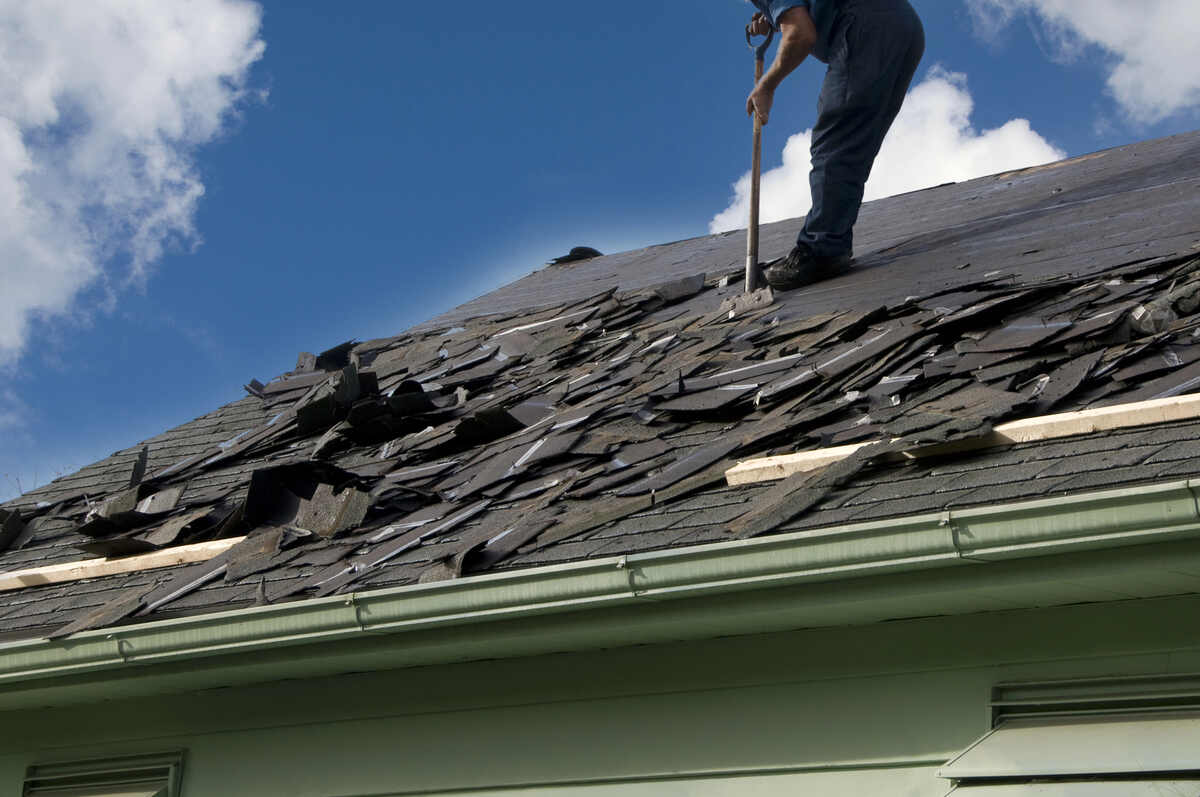
One of the most common added costs is tear-off and disposal of the existing roof. Removing old shingles, underlayment and damaged decking can add several thousand dollars depending on roof size and condition. Other common additional costs include:
- roof deck repairs
- upgraded underlayment systems
- ventilation improvements
- flashing replacement
- skylight integration
- chimney work
- snow guards for metal roofs
- eavestrough adjustments
Metal roofing projects may also require specialized trim work and snow retention systems, particularly in regions with heavy snowfall. These additions can increase overall costs but may improve long-term durability and safety.
Long-Term Cost Differences
Although asphalt shingles are much cheaper initially, they may require replacement more than once during the lifespan of a single metal roof. This long-term replacement cycle is one reason some homeowners view metal roofing as a lifecycle investment rather than simply a roofing upgrade.
Maintenance costs also differ between the two systems. Asphalt shingles are vulnerable to:
- granule loss
- curling
- UV degradation
- wind damage
- ice dam-related deterioration
Older shingle roofs may also become more susceptible to moss growth, water infiltration and repeated repair needs as materials deteriorate.
Metal roofs generally require less maintenance over time, although periodic inspections of fasteners, flashing and sealants are still important. Although individual repairs for shingle roofs are often easier than with metal systems, maintenance frequency can increase as the roof ages.
Insurance considerations may also vary by region. In some severe weather areas, impact-resistant or fire-resistant roofing systems can sometimes qualify for insurance discounts, although policies differ between providers.
Why Metal Roofs Continue to Gain Popularity
Metal roofing has historically been associated with agricultural or commercial buildings, but modern residential systems have evolved significantly over the past two decades. Standing seam metal roofs, concealed fastener systems and textured metal shingles are now common in both contemporary and traditional home designs.
One of the biggest advantages of metal roofing is lifespan. While many asphalt shingle roofs may require replacement within 15 to 30 years, properly installed metal roofing systems can often last 40 to 70 years or longer. Some premium standing seam systems may continue performing well for decades with relatively minimal maintenance.
Metal roofing also performs particularly well in severe weather conditions. Many systems are engineered to resist high winds, heavy rainfall and snow accumulation more effectively than conventional shingles. In regions prone to hurricanes, hailstorms or heavy snow loads, this added durability can become a major selling point.
Another factor driving interest in metal roofing is energy efficiency. Reflective metal surfaces can reduce roof heat absorption during summer months, lowering roof surface temperatures and potentially reducing cooling demand in warmer climates. Modern cool roof coatings have further improved solar reflectivity in many newer metal roofing products.
Long-term maintenance is another area where metal roofing often performs well. Metal roofs resist many of the issues that commonly affect aging shingles so homeowners generally face fewer repairs over the lifespan of the roof.
As far as sustainability, metal roofs are the clear winner here. They are easily recyclable and there’s a good chance the roof itself has recycled content in it. Shingles, on the other hand, are still most likely to end up in landfill.
The Biggest Drawback of Metal Roofing Is Cost
Despite its advantages, metal roofing still carries one major obstacle for many homeowners: significantly higher upfront pricing as previously mentioned. This higher initial investment is one of the primary reasons asphalt shingles continue to dominate the residential market.
Installation quality is also especially important with metal roofing systems. Unlike shingles, metal roofing requires more specialized installation techniques and greater attention to thermal expansion, fastening systems and flashing details. Poor installation can lead to issues such as oil canning, loose fasteners, seam failure or water intrusion over time.
Some homeowners also express concerns about noise during rain or hailstorms. While older metal roofs could sometimes amplify sound, modern underlayments, insulation systems and attic assemblies generally reduce noise levels substantially in most residential applications.
Why Asphalt Shingles Remain So Popular
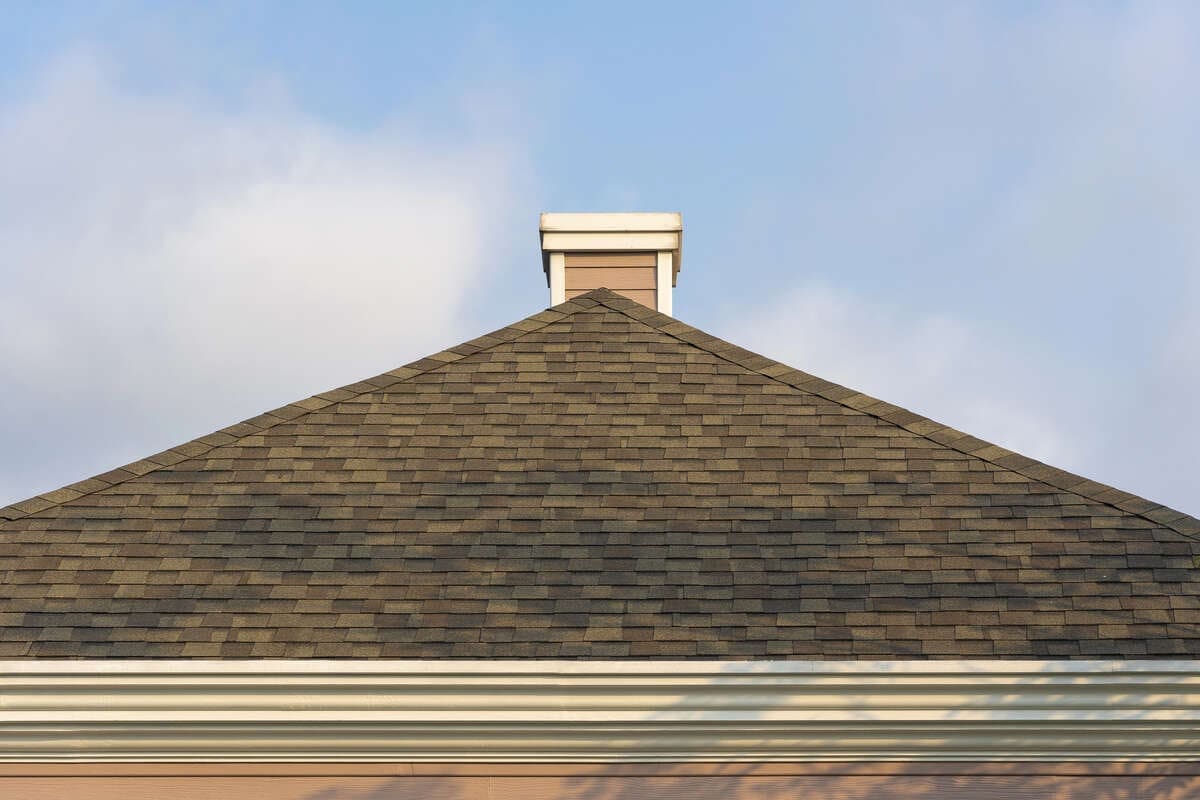
Asphalt shingles continue to be the most commonly installed residential roofing material across North America largely because they provide a relatively affordable and straightforward roofing solution for a wide range of homes.
One of their biggest advantages is lower upfront cost. For homeowners working within tighter budgets or planning shorter-term ownership, shingles can provide a more financially accessible option while still delivering solid performance when properly installed.
Repairs are also generally simpler and less expensive. Individual damaged shingles can often be replaced without disturbing large sections of the roof, making storm-related repairs more manageable in many situations.
Modern asphalt shingles have also improved considerably in appearance. Today’s architectural and dimensional shingles are available in a wide variety of colours, textures and profiles, with some premium products designed to mimic slate or cedar shake roofing systems.
Do Metal Roofs Leak More Than Shingles?
A common misconception is that metal roofs are more prone to leaks than shingles. In reality, properly installed metal roofs are highly water resistant and often outperform shingles during heavy rain and snow conditions.
However, no roofing material is immune to installation problems. Metal roof leaks can occur if flashing details fail, seams are improperly installed or fasteners loosen over time. Thermal expansion and contraction must also be properly accounted for during installation.
Shingle roofs can also develop leaks through missing shingles, deteriorated underlayment, ice dam formation or simple material aging.
In most cases, installation quality and long-term maintenance matter more than roofing material alone when it comes to leak prevention.
Which Roofing Option Makes More Sense?
For homeowners focused primarily on minimizing upfront cost, asphalt shingles remain the most affordable roofing option across Canada. They are widely available, relatively fast to install and easier to repair after localized storm damage. They are also a good pick for homeowners with shorter ownership timelines. Shingle roofs continue to offer reliable performance for many homes when properly installed and maintained.
Metal roofing may make more sense for homeowners planning to stay in the property long term, especially in regions with severe weather or where energy efficiency and lower maintenance are priorities. Although the upfront investment is significantly higher, the extended lifespan can improve long-term value over decades of ownership.
Ultimately, the best roofing system depends on budget, climate, sustainability, ownership goals and how long the homeowner expects to remain in the property.
WATCH | Metal Roofing vs. Shingle Roofing
Images from Depositphotos


