
Landscaping for Drought-Prone Climates
Designing Beautiful, Water-Efficient Outdoor Spaces

As climate patterns continue to change, drought has become an increasingly important consideration for homeowners, landscape designers, builders and municipalities, not just in hot regions of the world, but also in Canada.
While the country is often associated with abundant lakes and rivers, many regions experience prolonged periods of dry weather, watering restrictions and declining water supplies during the summer months. In western Canada in particular, drought has become a recurring challenge, while even traditionally wetter regions have seen more frequent heat waves and seasonal water shortages. These changing conditions are prompting Canadians to rethink traditional landscaping practices and adopt designs that use water more efficiently.
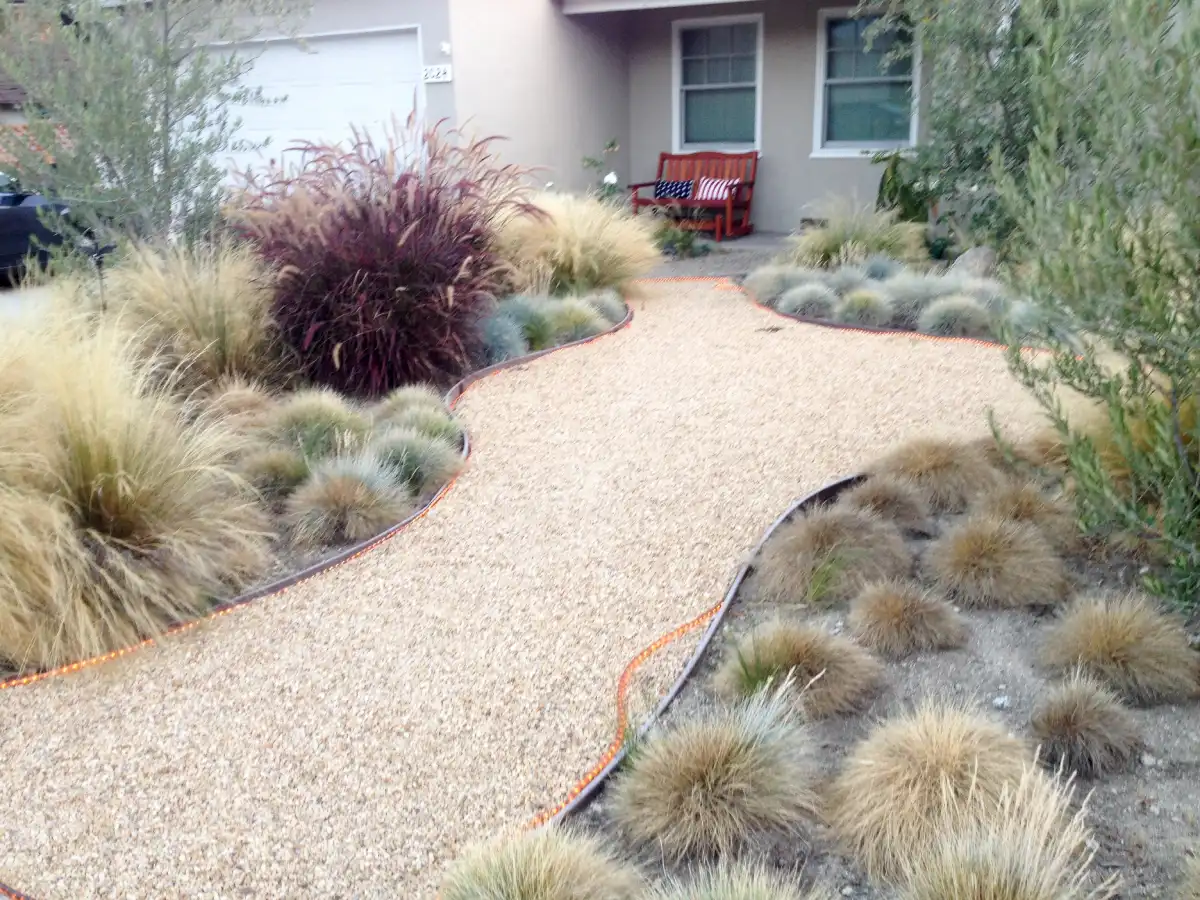
Fortunately, creating a drought-resistant landscape does not mean sacrificing beauty or functionality. Modern water-wise landscapes can be lush, colourful and inviting while using significantly less water than conventional lawns and ornamental gardens. By combining healthy soils, climate-appropriate plants, efficient irrigation, thoughtful design and proper maintenance, homeowners can create outdoor spaces that remain attractive even during extended dry periods.
Understanding Drought Across Canada
While every province experiences occasional dry years, certain regions are especially vulnerable to drought. Southern Alberta, southern Saskatchewan and the interior of British Columbia routinely face hot, dry summers combined with limited rainfall.
Communities throughout the Okanagan Valley, the Thompson-Nicola region and much of Alberta’s prairie landscape often implement watering restrictions during the growing season. Southern Manitoba has also experienced periodic drought, while parts of Ontario and Quebec have seen increasing summer water shortages during recent years.

Get the Green Building Project Checklist
Use this handy checklist on your next project to keep track of all the ways you can make your home more energy-efficient and sustainable.
Communities in the Okanagan Valley, the Thompson-Nicola region and parts of Alberta implement watering restrictions during the growing season. Southern Manitoba has seen repeated drought emergencies in recent years, including mandatory water-use restrictions in cities like Morden. Ontario and Quebec also see mandatory restrictions, concentrated mainly in communities drawing from smaller rivers or groundwater rather than the Great Lakes or St. Lawrence.
Climate experts generally expect drought events to become more frequent and more intense as average temperatures continue to rise. Even where annual precipitation remains relatively stable, warmer temperatures increase evaporation from soils and plants, causing landscapes to dry out more quickly. Designing landscapes that require less irrigation today helps prepare properties for tomorrow’s climate while reducing long-term maintenance costs.
Healthy Soil Is the Foundation of Every Drought-Resistant Landscape
One of the most overlooked aspects of water-efficient landscaping lies beneath the surface. Healthy soil acts like a sponge, storing water for plant roots while allowing excess moisture to drain away. Before replacing plants or installing irrigation systems, homeowners should focus on improving soil quality.
Adding compost each year increases organic matter, improves soil structure and significantly boosts the soil’s water-holding capacity. Clay soils become easier for roots to penetrate while sandy soils retain moisture for much longer. Healthy soil also encourages beneficial microorganisms, fungi and earthworms that continue improving soil structure naturally over time. Investing in soil health often produces greater water savings than installing more irrigation equipment.
Choose Plants That Naturally Thrive in Your Climate

One of the biggest mistakes homeowners make is selecting plants that require constant watering simply because they look attractive in garden centres. Drought-resistant landscapes begin with choosing species that are naturally adapted to local conditions.
Native plants have evolved over thousands of years to survive regional weather patterns, making them particularly well suited for Canadian climates. Once established, many require little supplemental irrigation except during unusually dry periods. Even non-native plants can perform exceptionally well if they originate from climates with similar rainfall and temperature patterns. Some excellent drought-tolerant choices for many Canadian regions include:
- Little bluestem
- Blue grama grass
- Prairie smoke
- Blanket flower
- Purple coneflower
- Yarrow
- Sedum
- Saskatoon berry
- Juniper
- Buffaloberry
- Ninebark
- Ponderosa pine
- Bur oak
Grouping plants with similar water requirements (a practice known as hydrozoning) also improves irrigation efficiency. Rather than watering an entire garden equally, each planting area receives only the amount of water its plants actually require.
Rethinking the Traditional Lawn
For decades, expansive green lawns became a symbol of successful landscaping across much of North America. However, conventional turfgrass is often the single largest consumer of water on residential properties. Maintaining a perfectly green lawn throughout a hot Canadian summer may require thousands of litres of irrigation every week.
Fortunately, reducing lawn size does not mean eliminating green space altogether. Many homeowners now reserve grass for areas where it serves a practical purpose, such as children’s play areas or outdoor gathering spaces, while replacing unused lawn with ornamental grasses, perennial gardens, shrubs, native meadows, decorative stone or groundcovers. Fine fescue grasses and other drought-tolerant turf varieties can also reduce irrigation requirements while maintaining an attractive appearance.
Learn From Some of the World’s Driest Landscapes

Some of the best lessons in water-efficient landscaping come from regions that receive far less rainfall than anywhere in Canada. Desert communities have spent decades developing attractive landscapes that balance aesthetics with responsible water use.
One example would be that of a country club in Palm Springs since it faces one of the most challenging landscaping environments in North America. Annual rainfall averages only about 130 millimetres, yet golf courses and surrounding landscapes remain remarkably attractive. Many facilities use reclaimed water, weather-based irrigation controllers, drought-tolerant ornamental plants, efficient drip irrigation and carefully designed hydrozones.
Turf is often concentrated only where it serves an important recreational purpose, while surrounding landscapes feature desert-adapted plants, decorative stone and mulch that dramatically reduce water consumption.
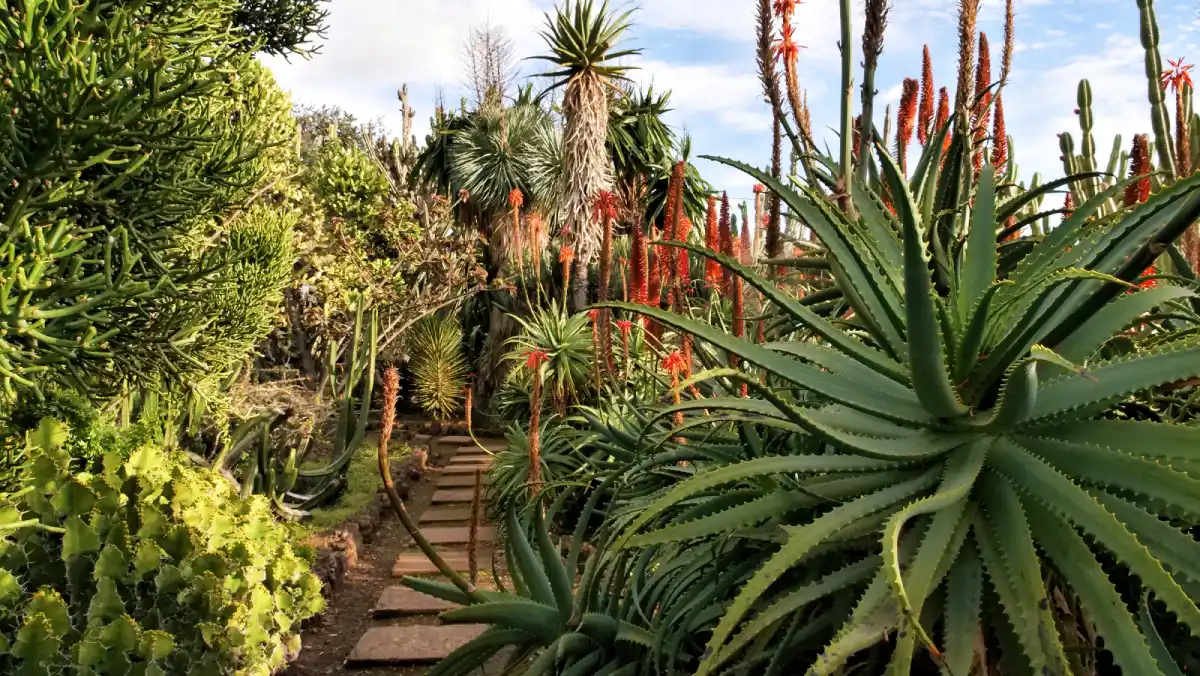
Residential developments throughout Arizona and New Mexico have adopted similar principles, featuring native shrubs, cacti, ornamental grasses, gravel pathways, shade trees and rainwater harvesting systems instead of expansive irrigated lawns. These landscapes remain visually appealing while consuming only a fraction of the water required by traditional landscaping.
Canada obviously experiences much colder winters, but the underlying principles remain exactly the same. Use water where it provides the greatest benefit, improve soil to retain moisture longer, reduce unnecessary turf and select plants that naturally thrive under local climate conditions.
Mulch May Be the Most Cost-Effective Water Saver Available
Few landscaping improvements deliver as much value as a simple layer of mulch. Organic mulches such as shredded bark, wood chips, compost, pine needles and shredded leaves reduce evaporation by shielding the soil from direct sunlight and wind. They also suppress weeds, moderate soil temperatures and gradually improve soil structure as they decompose.
A mulch layer approximately 5 to 10 centimetres deep around trees, shrubs and perennial gardens can significantly reduce watering requirements during the summer months (just avoid mulch volcanoes!). Decorative gravel and stone also reduce evaporation, although they do not improve soil in the same way that organic mulches do.
Efficient Irrigation Uses Less Water While Producing Better Results
Many people assume that drought-resistant landscaping means eliminating irrigation entirely. In reality, even drought-tolerant landscapes occasionally require supplemental watering, particularly while new plants become established. The goal is not to avoid watering altogether but to use every litre as efficiently as possible.
Drip irrigation delivers water directly to plant roots, minimizing evaporation and reducing runoff compared with conventional sprinklers. Weather-based irrigation controllers automatically adjust watering schedules according to rainfall, temperature and soil moisture, preventing unnecessary watering after storms or during cooler weather. Watering deeply but less frequently also encourages plants to develop deeper root systems, making them far more resilient during future droughts.
Rainwater Harvesting Can Supplement Irrigation
Capturing rainwater provides another practical way to reduce outdoor water consumption. Simple rain barrels connected to roof downspouts provide an excellent source of irrigation water for vegetable gardens, flower beds and container plants. Larger properties may benefit from underground cisterns capable of storing thousands of litres for later use during dry periods.
Beyond conserving municipal water supplies, rainwater harvesting also helps reduce stormwater runoff and erosion while making better use of a natural resource that would otherwise flow directly into drainage systems.
Trees Play an Important Role in Water Conservation
Trees are among the most valuable investments in any landscape, not only because of their beauty but because they create cooler microclimates that reduce evaporation from surrounding soils. Properly placed deciduous trees provide welcome shade during the hottest months while allowing sunlight to reach buildings during winter after leaves have fallen.
Species such as bur oak, honey locust, hackberry, Kentucky coffeetree, ponderosa pine and serviceberry perform well in many drought-prone Canadian regions. Choosing species appropriate for local soils and climate reduces maintenance while improving long-term survival.
Common Mistakes That Increase Water Consumption

Even carefully planned landscapes can struggle if poor maintenance practices undermine their efficiency. Fortunately, many common problems are easy to avoid once homeowners understand how drought-resistant landscapes function. Some of the most frequent mistakes include:
- Watering lightly every day instead of deeply and less frequently.
- Planting species with very different water requirements together.
- Applying mulch too thinly or allowing it to break down completely without replenishment.
- Overfertilizing, which often encourages excessive growth and increases water demand.
- Compacting soil during construction or landscaping projects.
- Installing large areas of turf simply because they are traditional rather than necessary.
- Ignoring opportunities to capture rainwater from roofs and hard surfaces.
Correcting these issues often reduces outdoor water use without requiring major landscape renovations.
Canadian Success Stories Continue to Grow
Many Canadian municipalities are already embracing water-wise landscaping principles. Calgary has promoted drought-resistant gardens and native prairie plantings in response to recurring water shortages, while communities throughout the Okanagan Valley encourage homeowners to replace high-water landscapes with climate-appropriate alternatives. Municipal demonstration gardens across western Canada increasingly showcase how attractive landscapes can thrive with substantially less irrigation.
These projects demonstrate that drought-resistant landscaping is not about creating barren gravel yards. Instead, it is about designing landscapes that work with local climate conditions rather than constantly fighting against them. Colourful perennials, ornamental grasses, flowering shrubs, shade trees, natural stone and thoughtfully designed outdoor living spaces can produce landscapes that are both environmentally responsible and visually stunning.
Looking Ahead
As drought becomes a more frequent reality across parts of Canada, landscaping practices will continue to evolve. The most successful landscapes of the future will emphasize resilience rather than excess, combining healthy soils, efficient irrigation, native plants, rainwater harvesting and thoughtful design into cohesive outdoor environments that require fewer resources to maintain.
Whether planning the landscape for a new home or a new subdivision, investing in drought-resistant design offers long-term benefits that extend well beyond lower water bills. These landscapes support pollinators, improve soil health, reduce maintenance requirements, enhance biodiversity and remain attractive during increasingly unpredictable weather.
By learning from both Canada’s own drought-prone regions and some of the world’s most water-conscious landscapes, homeowners can create outdoor spaces that are beautiful, practical and prepared for the future.
Images from Depositphotos

