
How to Choose the Right Home Builder

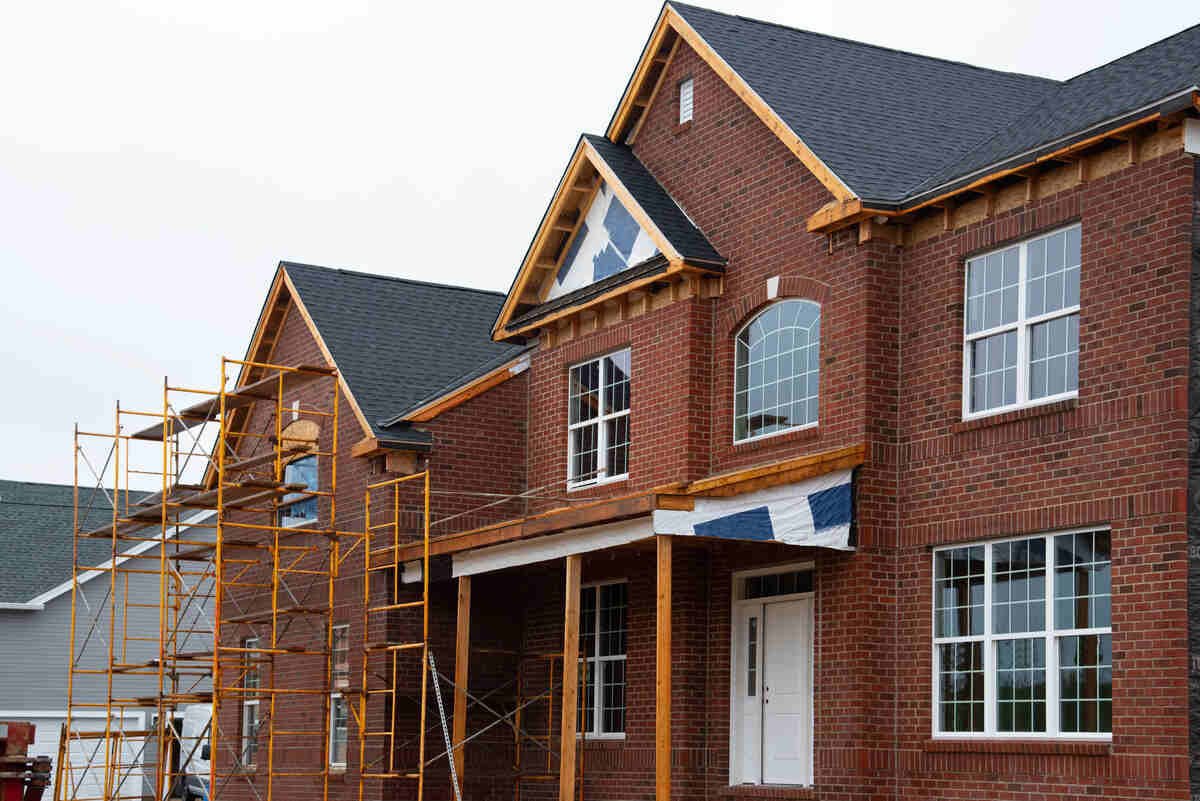
Buying a new home is no small feat. It’s most likely the largest financial commitment you will ever make. Surprisingly, many buyers focus entirely on the home itself, whether it’s the floor plan, the square footage or the finishes. Not many pay heed to the company building the home. That can be a costly oversight.
The builder you choose will shape your experience before you receive your home’s keys and long after you settle in. The standards they abide by will determine the quality of your home’s walls, its structural integrity, and the level of support you receive when needed. This article will help you practically evaluate potential builders so you can make the most of this monumental experience.
Why Is a Builder’s Track Record Important for Homebuyers?
If you want to know what your experience will be like, consider a builder’s history as one of the most reliable indicators. It’s always advisable to look past their marketing initiatives and analyze their previously completed projects.
Ask questions like how many homes did they deliver and how long did the process take? To confirm operational discipline, you must first verify consistency at that scale. The extensiveness of their experience matters, particularly when you’re committing to a long-term investment.
Depending on your province, you may have useful research options at your disposal. When evaluating a home builder in Ontario, buyers can leverage insights from Tarion, the province’s new home warranty authority, established in 1976. You can gain a profound understanding of a builder’s performance, warranty claim history and if there are any unresolved customer service complaints. A builder on that registry earns a solid, clean standing through sustained accountability. It’s a hard-to-fabricate record over decades of delivering new homes. Furthermore, examine the geographic range of completed communities. If they are known for developing homes across multiple cities, that demonstrates adaptability, financial stability and an ability to cater to varied buyer needs.

Get the Green Building Project Checklist
Use this handy checklist on your next project to keep track of all the ways you can make your home more energy-efficient and sustainable.
What Factors Distinguish Top-Tier Builders from the Rest?
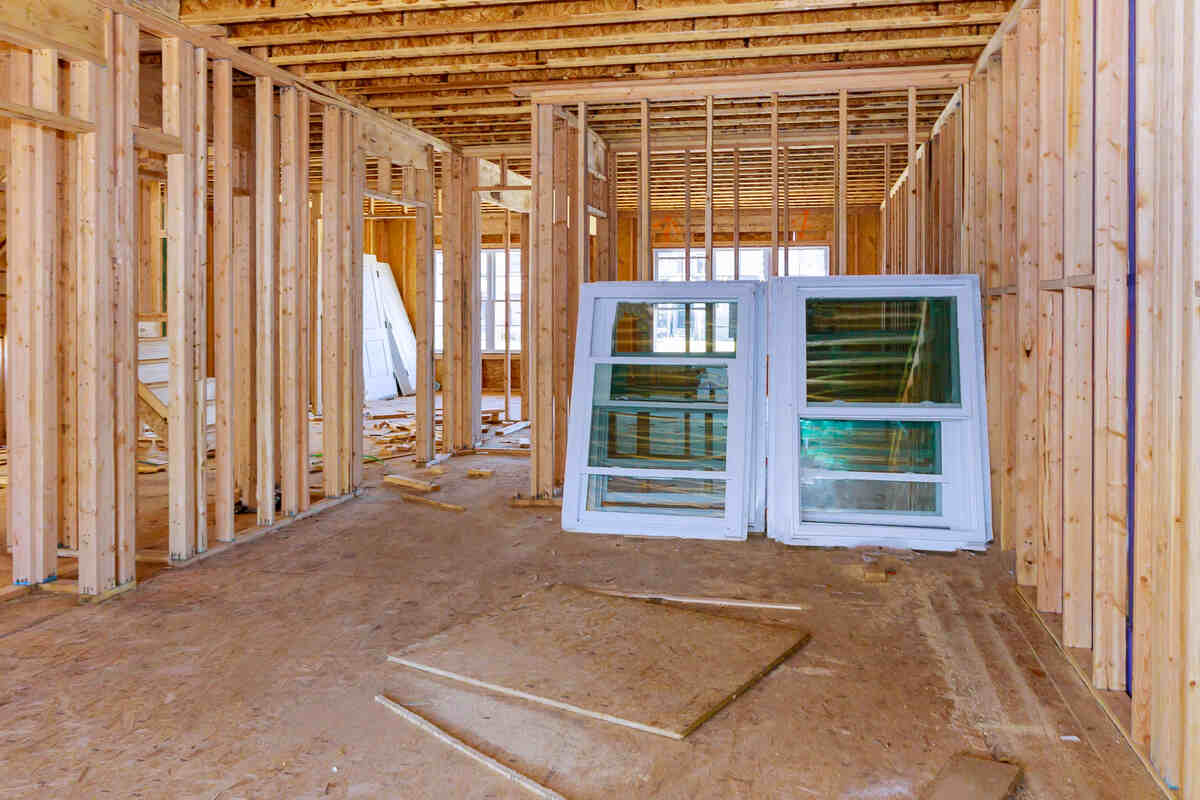
The best builders don’t just sell exceptional homes. They sell locations with precision and plan neighbourhoods with purpose. Pay particular attention to where a builder chooses to develop these communities. If the property is near hospitals, highways, schools, parks and other amenities, that reflects a thoughtful approach about how residents will actually live their day-to-day lives.
Well-planned communities are a solid indicator of a builder’s long-term investment in a neighbourhood’s quality. These developments must incorporate architectural guidelines, urban green space integration and a balance of housing types to support a stable, mixed demographic. When the builder incorporates walkable streetscapes and natural corridors in their plans, it indicates that they value quality lifestyles and not just blatant land use for profit.
What Should You Know About Property Customization and Decor?
Before committing to any purchase agreement, always ask the builder to explain their customization process in detail. Many builders have a dedicated decor centre where buyers can make flooring, cabinetry, countertops, tiles and hardware finish selections. The quality of this experience will reveal how they value the buyer relationship past the sale itself.
Ask how many upgrade options are available, what the process looks like for changes after you sign, and whether they have an in-house decor centre for their clients or if they outsource it to a third party. Builders who invest in in-house design infrastructure typically ensure greater consistency between what you select on paper and what they install in your finished home.
How Can You Determine the Quality of Finished Workmanship?

Model homes are the best diagnostic tool for potential new owners. But how do you draw your conclusions? For starters, when you tour one of these homes, examine the build quality or construction itself. Always check the corners where the walls meet ceilings, where baseboards end, and where tile grout lines run. If you find uneven joints, paint bleeds and visible gaps, that indicates rushed finishing, regardless of how appealing the overall structure appears.
In addition to these initial checks, open every window and door to confirm smooth operation; sticking hardware, uneven reveals and misaligned frames are red flags you must not ignore. Closely examine aspects like the staircase, crown moulding and brickwork. These high-detail areas reveal the calibre of tradesmen a builder consistently employs. Builders who hold their tradespeople to a higher standard always deliver homes where the craftsmanship is apparent in every corner, not just the spaces they want you to notice.
Final Thoughts: Selecting a Reliable Home Builder
Choosing a home builder is a decision you must not base on your heightened level of enthusiasm alone. It requires comprehensive research, hawk-eyed observation and targeted questioning at the appropriate stages. Always consider a builder’s history, their approach to community planning, customization processes and construction standards.
A gap in any of these areas will have an impact on your daily life for many years to come. A builder who earns your confidence through transparency, consistency and a clear commitment to their craft will deliver a home and an ownership experience that will genuinely exceed your expectations.
WATCH | How to choose a home builder
Images from Depositphotos

