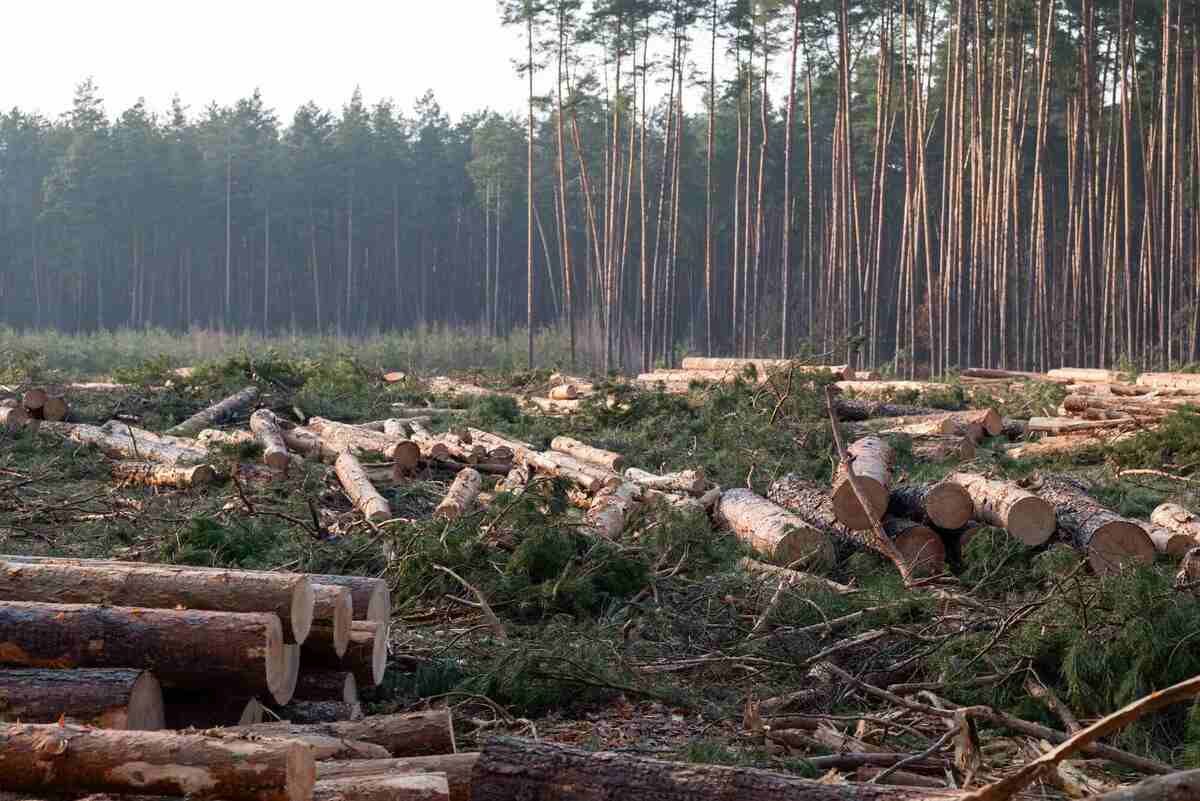
Federal forestry minister Tim Hodgson says Canada’s forestry sector is facing a crisis that cannot be blamed on U.S. tariffs alone, warning the industry needs structural change to remain competitive.
Sector Faces ‘Turning Point’
Speaking in Langford, B.C., during a meeting with provincial and territorial forest ministers, Hodgson described forestry as Canada’s trade “canary in the coal mine” and said the sector is at a turning point.
The federal government announced nearly $130 million for 56 forestry-related projects across the country, adding to more than $2 billion in support introduced since August 2025 to help the industry manage rising U.S. duties and other pressures.
Despite that support, Hodgson said more than a dozen sawmills have closed since August, affecting about 2,000 workers. The sector has also seen 40 curtailments, resulting in roughly 1,000 temporary job losses.
Challenges Go Beyond Tariffs
While U.S. softwood lumber duties and tariffs remain a major concern, a new report from the Canadian Forest Sector Transformation Task Force says the most serious barriers to competitiveness are domestic.

Get the Green Building Project Checklist
Use this handy checklist on your next project to keep track of all the ways you can make your home more energy-efficient and sustainable.
Those include unstable access to affordable fibre (the logs, wood chips and other material used to make products such as lumber, pellets and engineered wood), excessive regulation, underinvestment in manufacturing, weak innovation capacity and limited domestic demand for wood-based products.
The report warns the sector faces an “existential risk” without immediate, co-ordinated action.
WATCH | What are the biggest challenges BC’s forestry industry is facing today?
Funding Targets New Uses For Wood
Of the $130 million announced, about $67 million will flow to projects in B.C.
The largest single recipient is the Forest Enhancement Society of BC, based in Kamloops, which will receive $37 million to increase the use of low-value and residual fibre. The funding is meant to offset collection, processing and transportation costs that often prevent that material from being used.
Instead of being burned, residual fibre could be turned into pulp, bioenergy and pellets.
Industry Calls For Action
The Forest Products Association of Canada welcomed the report, with president Derek Nighbor calling it the most robust federal response in years to issues holding the industry back.
B.C. Forests Minister Ravi Parmar said the funding is good news for workers and communities that depend on forestry, while also pointing to tariffs from the United States as a major burden.
However, B.C. Conservative forestry critic Ward Stamer said provincial policy has also contributed to mill closures, citing permitting delays, rising costs and shrinking fibre access.
Hodgson said Ottawa will eventually release an action plan to guide a broader forestry strategy.
Image from Depositphotos