
Damaged Walkways: Repair, Restore or Replace?

In this weekly Q&A column, retired builder/building inspector Cam Allen answers readers’ questions about home renovation and climate resilient homes. Have a question? Enter it in the form below.
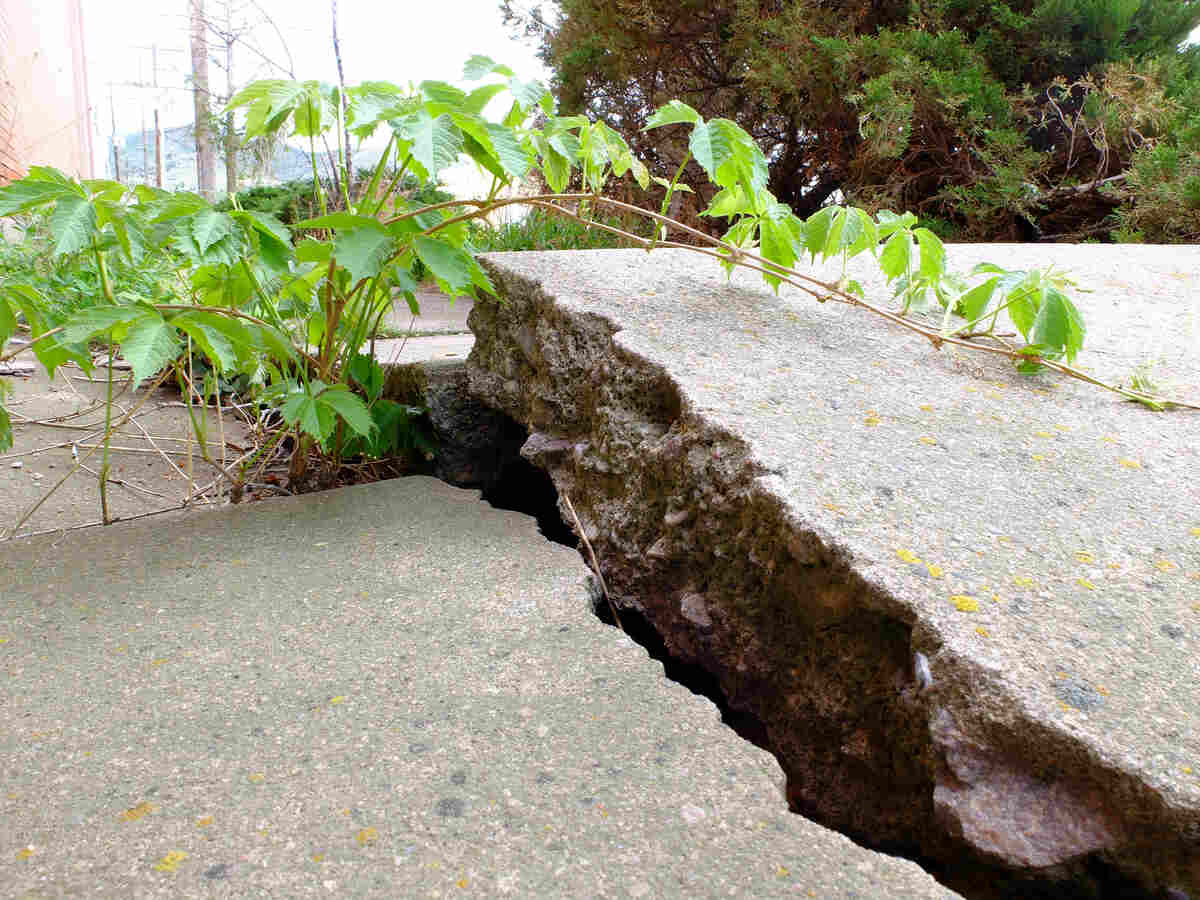
Other than parts of lower British Columbia and the southern tip of Ontario where frost is not a major issue, most concrete walkways and driveways will suffer from some frost-related damage over time. The soil underneath will react by either upheaval or settlement. Settlement, because the base under the walkway was not prepared properly, add in poor drainage and then upheaval, the expected cracks and broken sections will happen.
I will start with the simple corrections then cover the costly repairs and lastly my preference for any walkway and driveway – that being some manner of recycled paving stone.
If you are any way handy and a section of your walkway has heaved, you now have a trip hazard. A simple grinding off of the concrete to make it level with the abutted concrete edge is possible. If you have a portable hand grinder, then buy a diamond grinding wheel, good dust mask, construction leather gloves, safety glasses and ear protection. If the edge is ½-⅝” raised then this can be done. It’s dusty, dirty work but is a quick, cost reasonable repair. The most important thing to remember, feather back the grind line so anyone who is not stable when walking does not feel out of balance.
By experience I found you had to grind back at least 6-8 inches, depending upon the heaved area to create a safe step spot. In the case where the concrete has settled then it’s possible to fix a dip in the concrete. The only issue here is this really is a temporary repair. The process is simple, first, rough up the concrete with your grinder, the rougher the better. Now clean the concrete with a mix of equal parts of warm water and bleach, use a stiff bristle paint
brush, a white wash brush works well here, then wash thoroughly with warm water and allow it to dry. Next apply a good grade of bonding agent, follow directions and apply liberally. Following directions mix up a recognized make of concrete patch and level with a decent square trowel. If the patch has any depth to it, embed a piece of chicken wire or metal mesh. This will help strengthen the patch. The surface preparation will dictate how successful your
patch adheres, take your time.
If you have a concrete section that has seriously settled then there are two options. I will say at the outset that this DIY project is a 2 to 3 man job. If you can get at the edge of the concrete slab and it is not a large piece, dig around the edge of the concrete using a piece of 4×4 lumber and with a long handle prybar carefully lift the concrete section. Work the end of the pry bar under the slab by at least 6” for best lift. Now strategically place some scraps of wood to stabilize the slab once you get it level with the other section(s).
There are DIY kits like Secure Set or the two-part foam kits you can buy online. Spray this dense foam in layers under the pad and allow it to set fully. Most kits I have seen recommend at least 24 hours for the final cure. If the concrete section is larger or has shifted in more than one spot then a call to a professional contractor who specializes in “mud-jacking” or “slab-jacking” is recommended. This contractor should provide a written estimate. Then they drill holes in your concrete walkway or driveway, inject a slurry mix of concrete and sand most often and slowly raise the concrete until it is level. If the area is severely damaged, settled or cracked then replacement may be the most cost efficient answer. Depending upon your locale and size of the job you can expect to pay anywhere from $6–10 per square foot for concrete replacement.


Get the Green Building Project Checklist
Use this handy checklist on your next project to keep track of all the ways you can make your home more energy-efficient and sustainable.
If you are faced with replacement of a walkway or driveway or adding a new one, give some serious thought to using sustainable pavers. The manufacture of concrete creates 8 percent of all the global CO2 emissions. While there are some newer processes that are reducing emissions, it will be years before any serious level of carbon reduction happens in large-scale concrete production. For finished concrete to last the projected life span of 25-30 years when used for walkways or driveways with the climate exposure, it should be sealed every 2-3 years.
There are pavers available today, some closing in on 100 percent recycled materials like recycled tires, that are made into pavers. The only small negative to recycled rubber is they are known to leach some rubber chemicals over time. If they offer VOC information, check on it. I have seen recycled glass pavers blended with a low concentration of concrete. They were beautiful but pricey.
If you are convinced you want a concrete surface, carbon cured concrete is becoming more available. It is recent technology and suppliers are limited but the concept has promise. I have also seen recycled plastic formed into pavers, a blend of rubber and plastic and yet another concept is a recycled plastic grid style that is filled with gravel. One manufacturer called True-Grid actually offers their system for commercial applications.
I admit to a bias favouring pavers or patio stones as our own walkways are also pavers. Recently our main entrance succumbed to time settling in some spots and the edge stones had shifted. Our landscaper arrived one morning with some brick sand, fine gravel, top soil and some metal edging strips (recycled aluminum). This is the final touch, by using 8” long landscape “nails”, this secures the edging against the relaid patio edge stones. Ryan lifted and reset the necessary pavers, brushed sand into the joints and once the edge strips were installed, shovelled, compacted and seeded the top soil along the edge of the walkway. This walkway is 7’ wide and nearly 30 feet long, he was done in less than 5 hours. We are now good to go for another 20+ years.
Images from Depositphotos
Have a Home Renovation Question?
Write it down below and we’ll get back to you. All questions get answered – every week, we’ll select one for publication in the column.


