
How Global Green Building Professionals Stay Connected Across Projects

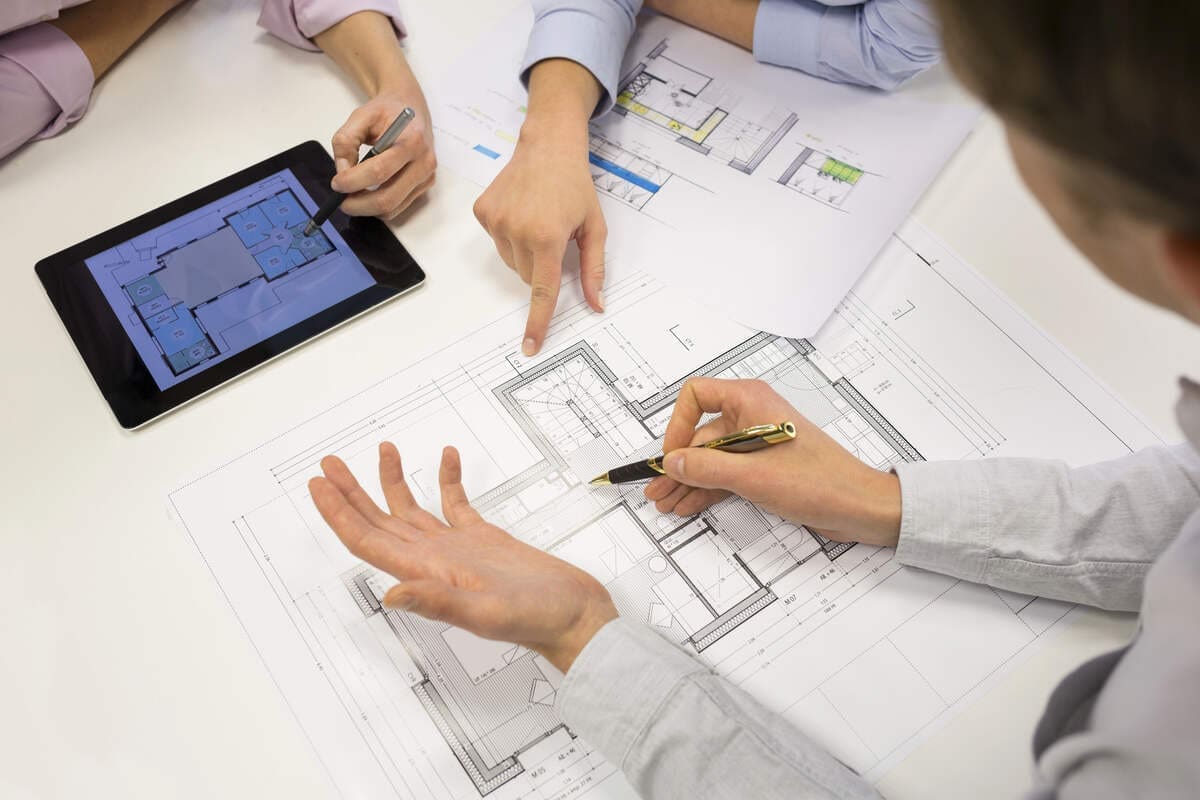
Large sustainable building projects are increasingly being designed and managed by international teams. A modern LEED-certified office tower, Passive House residential development or net-zero institutional building may involve architects in one country, energy modellers in another, specialized manufacturers elsewhere and contractors coordinating onsite construction locally. As green building standards become more advanced and specialized, collaboration across borders has become common throughout the industry.
Today’s construction sector depends heavily on digital coordination. This global approach allows project teams to access specialized expertise that may not exist locally while also accelerating the adoption of advanced sustainable building technologies and practices.
Cloud-Based Collaboration Has Become Essential
Cloud-based collaboration platforms have become central to how many projects operate. Teams can now review drawings, share updates, track revisions and coordinate schedules in real time without needing to work from the same office or even the same continent. Digital collaboration has become especially important for high-performance buildings, where even relatively small changes to insulation details, glazing specifications or ventilation systems can significantly affect overall energy performance and certification goals.
Many sustainable projects now involve highly technical systems that require constant communication between specialists. A consultant responsible for airtightness strategies may need to coordinate directly with façade manufacturers, while mechanical engineers work closely with energy modellers to ensure HVAC systems meet strict efficiency targets. Rather than relying on traditional communication methods and delayed updates, project teams increasingly use cloud-based workflows that allow decisions to be made much faster.
Remote Site Coordination Is Expanding

Get the Green Building Project Checklist
Use this handy checklist on your next project to keep track of all the ways you can make your home more energy-efficient and sustainable.

Remote site coordination has also become far more advanced in recent years. While onsite visits remain important, many international project teams now supplement them with live video walkthroughs, drone footage, digital inspections and real-time reporting from the construction site. This allows architects, consultants and manufacturers to monitor progress and resolve technical issues without always needing to travel internationally.
For example, a European manufacturer supplying high-performance windows for a North American Passive House project may remotely assist installers through live video calls and shared digital documentation. Similarly, sustainability consultants can review construction details, verify specifications and provide technical guidance remotely while remaining involved throughout the building process.
Digital Connectivity Supports Faster Decision-Making
This shift towards digital coordination also supports broader sustainability goals. Reducing unnecessary travel can help lower emissions associated with large international projects while also improving efficiency and reducing delays. Many professionals working across borders now rely on tools like cloud collaboration platforms and an international eSIM to stay connected while travelling between project sites, meetings and client consultations.
The increasing complexity of green building projects has made rapid communication more important than ever. Modern sustainable buildings often integrate advanced HVAC systems, renewable energy technologies, smart controls, water management systems and highly engineered building envelopes that must all function together efficiently. Delays in communication between consultants, contractors and suppliers can quickly create costly problems during construction.
Digital collaboration tools help teams identify issues earlier and coordinate solutions more effectively. This is particularly important for prefabricated building systems and high-performance assemblies, where installation precision plays a major role in achieving expected building performance. Teams can now review site conditions, compare installation details against digital models and respond to potential issues much faster than in traditional construction workflows.
Cybersecurity and Data Protection Are Becoming Major Concerns

As sustainable building projects become more digitally connected, cybersecurity and data protection are becoming increasingly important issues for architects, engineering firms, contractors and manufacturers. Many modern green building projects rely heavily on cloud-based BIM models, smart building systems, remote monitoring platforms and digital project management tools that contain sensitive technical and operational information.
High-performance buildings often integrate advanced automation systems controlling HVAC equipment, lighting, energy management, access control and water systems. As more of these systems become internet-connected, the potential risks associated with cyberattacks, ransomware or unauthorized access also increase. A security breach affecting project files, building systems or supplier coordination can create significant delays and operational problems during both construction and long-term building operation.
International collaboration can add additional complexity because project teams may be working across different regulatory environments and data protection standards. Firms involved in large LEED, smart building or net-zero projects increasingly need to consider secure document sharing, encrypted communication, access controls and cybersecurity requirements for connected building technologies.
This is becoming especially relevant as smart buildings generate larger amounts of operational data related to energy use, occupancy patterns, ventilation systems and building performance analytics. Protecting that information is now viewed as an important part of managing modern sustainable buildings responsibly.
International Supply Chains Add Complexity
International supply chains have added another layer of complexity to sustainable construction. Many green building projects source specialized products globally, including high-performance glazing systems, mass timber components, mineral finishes, heat pumps and energy-recovery technologies. Coordinating manufacturing schedules, shipping timelines, customs logistics and onsite installation often requires constant communication between multiple companies and project teams.
As sustainable construction continues to evolve, the industry is becoming increasingly connected and technology-driven. Future projects will likely rely even more heavily on advanced BIM integration, digital twins, AI-assisted coordination tools and remote collaboration technologies. Firms that can effectively manage international communication and digital project coordination will likely be better positioned as demand for high-performance and low-carbon buildings continues to grow worldwide.
Images from Depositphotos


