
Understanding Home Insulation
Some Basic Insulation Terms You Need to Know

In this weekly Q&A column, retired builder/building inspector Cam Allen answers readers’ home renovation questions. Have a question? Enter it in the form below.
For every home in the northern hemisphere and more and more in the
southern hemisphere, with temperatures rising insulation is becoming a necessity to help reduce cooling costs. Understanding some of the common terms used for insulation and how it benefits a home is recommended for every homeowner.
Intro to Insulation
Insulation is the material to which we outfit a home so it remains comfortable in both summer and winter. Insulation reduces heating and cooling costs. Contrary to some belief, proper insulation has more benefits keeping a home cool than a heated one. Some kinds of insulation also helps reduce noise pollution. A home with correctly installed insulation, coupled with correct sealing and caulking prevents drafts, moisture issues and adds to the longevity
of your home. All of this adds up to an energy efficient home.
Terminology
Airtightness – this is the term used for how well a building resists uncontrolled air leakage. Drafty homes lose heat or cooling fast regardless of insulation. Airtightness or draft-proofing as it’s also called works hand-in-hand with insulation.

Get the Green Building Project Checklist
Use this handy checklist on your next project to keep track of all the ways you can make your home more energy-efficient and sustainable.
R-value – you will see this term a lot along with the term RSI, which is simply the metric equivalent. The higher the R-value, the greater resistance to air flow, be it either heat or cool air, known as conditioned air. The total r-value depends upon the actual material and its thickness in a lot of instances, especially
when fibre insulation is used.
Radiant barrier – Some types of rigid foam insulation and some that are similar to “bubble wrap” have a reflective material face as part of their insulation value. They help reduce heat gain by reflecting radiant heat. I have seen this done in attics.
Conduction – the transfer of energy between different areas with different temperatures (eg interior and exterior of your home). Insulation is excellent in stopping conductive heat loss.
Thermal bridging – This is where heat loss occurs when materials are poor insulators. One often used example is a wood frame home where the exterior wall siding is directly attached to the wall frame. On an older home this bridging effect can reduce the effective R-value by upwards of 25 percent over the entire surface of the exterior walls. Today that thermal loss is corrected by the installation of rigid foam insulation applied on the outside of a wooframe home, then all the joints tape sealed or caulked before the siding is installed.

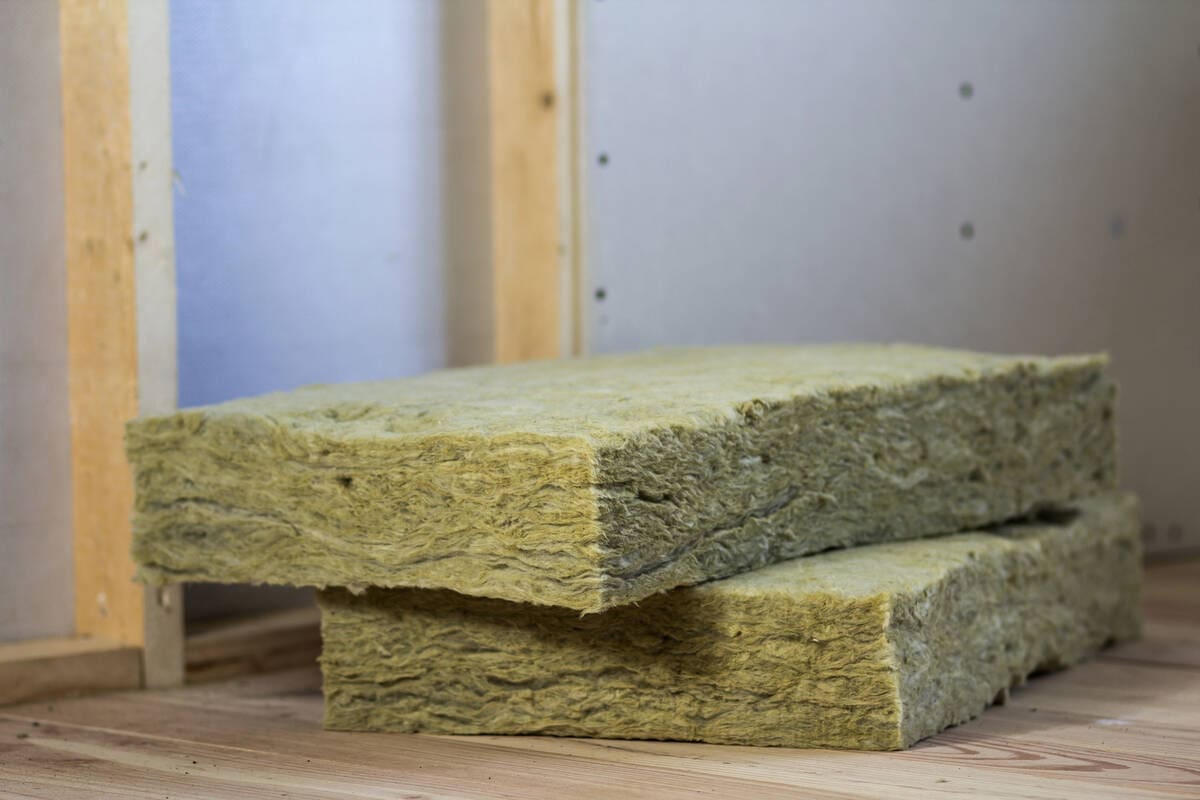
Fibre insulation – this term covers a number of different kinds of materials. Fibreglass is the most common and is available in both batt form, rolls and loose fill. It was the insulation of choice when batt form took over from bagged insulation in the late 30s. It is lightweight, mould resistant and non-combustible. Cellulose loose fill insulation is recycled paper treated with bauxite for fire retardancy. It is commonly used in attics when an existing home is being upgraded. You can also get this material blown into wall cavities, known as dense packed. Stone mineral wool, also known as Rockwool, is common in batt form and is known for excellent thermal resistance and acoustic properties. All of these are effective at slowing down heat transfer and are commonly used in walls, floors and attics. They are usually not covered in a paper face which was common in the past. This paper face was an attempt to add an air barrier. Today once the insulation is installed, other than closed cell spray foam or sealed rigid foam board, a clear sheeting of 6 mil plastic is used to encapsulate the entire inside of a new home or a full “back to the studs” renovation.
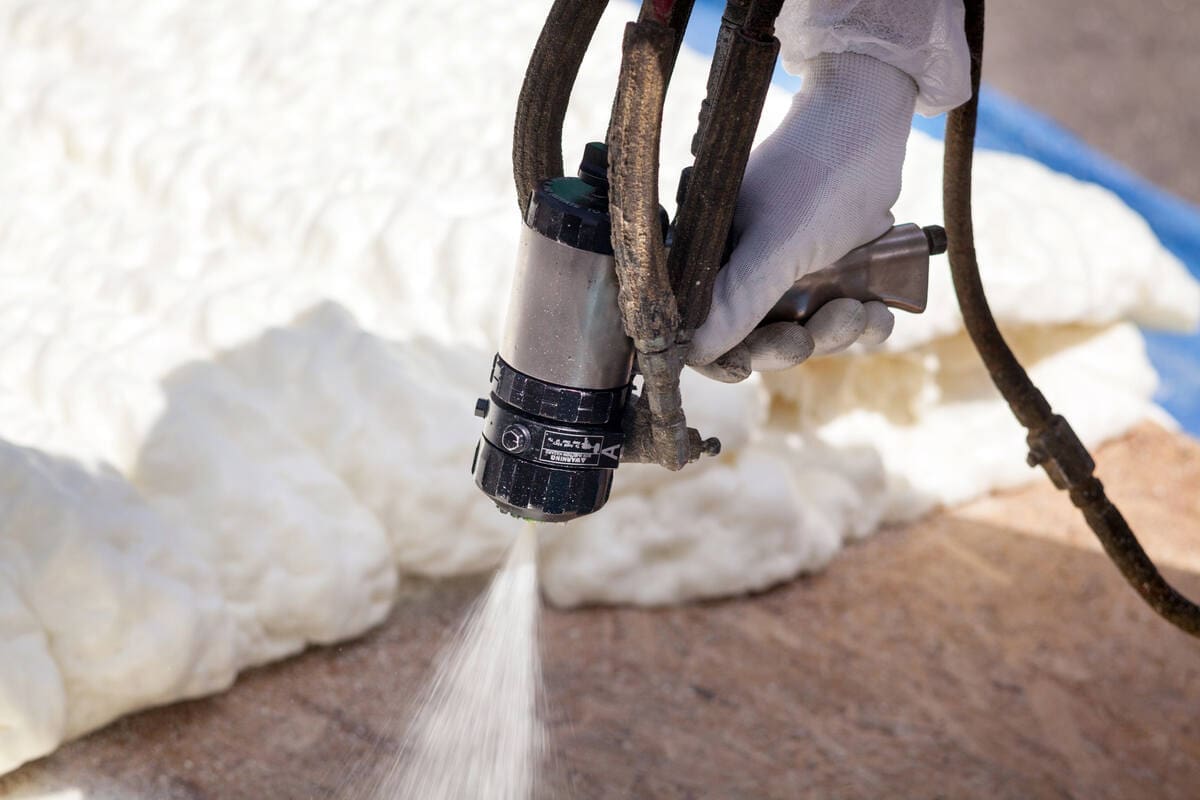
Foam insulation – This type of insulation has gained popularity since the early 80s and is now available in either rigid foam board or sprayed application. Foam insulation provides excellent thermal resistance. There are two kinds of spray foam, open cell and closed cell. The difference is that open cell is not fully encapsulated while closed is simply that, the cells that make up the foam are pressed together so air and moisture are unable to get inside the foam.
Open cell foam expands more than closed cell so it can insulate hard to reach cavities in a home. It is often used for soundproofing. It is softer and more flexible than closed cell. Open cell is usually cheaper to install than closed cell.
The added benefit to a closed cell spray foam installation is it acts as both insulation and the air barrier you will need inside your home (usually a 6mil plastic covering). When closed cell spray foam first arrived it had serious issues with off gassing, today this has mostly been rectified. For smaller applications you can buy spray foam in spray cans for openings around windows and doors, gaps in your exterior siding and other applications. There are numerous types of small cans of spray foam so make sure you pick the right application. As one example, do not use gap filler spray foam in the space between a window and the wood frame, it will buckle the window frame. Use low pressure window spray foam, that should not cause this problem.
Rigid foam board – This type of rigid insulation is the more recent insulation system. Made of various kinds of polyurethane, polycinene, cementitious and soy based foams they started out being used for below grade foundation insulation. Today they are used on exterior walls, areas where moisture will be an issue like bathroom walls and under low slope roof coverings. They are often
used for noise reduction. Once properly sealed and the joints taped they offer long lasting performance without consideration for degradation if used below grade.
You may hear some “not as common” terms. These are often used in sustainable homes working towards a Passive home or other sustainable home certification. Cork insulation is used for some thermal value but is well known for its acoustical benefits. Cotton insulation is made from recycled cotton fibres. Denim insulation is simply reconstituted denim clothing made into insulation. Both available in batt or loose fill. Feather insulation is around, but not common and used mainly in historic restorations. Wool insulation is
made from sheep’s wool. This type of insulation will actively manage moisture through absorption and release. It is often used in historic renovations where attaining a full moisture envelope barrier is next to impossible.
Understanding some basics about insulation will help you make good decisions with respect to your home insulation upgrades. It’s easy to overlook areas that lead to energy loss, that being heated or cooled air escaping your home which translates into additional costs to keep your home comfortable.
Images from Depositphotos
Have a Home Renovation Question?
Write it down below and we’ll get back to you. All questions get answered – every week, we’ll select one for publication in the column.


