
Choosing Replacement Windows for Comfort in Ontario Homes
Sponsored content from Optima Windows & Doors

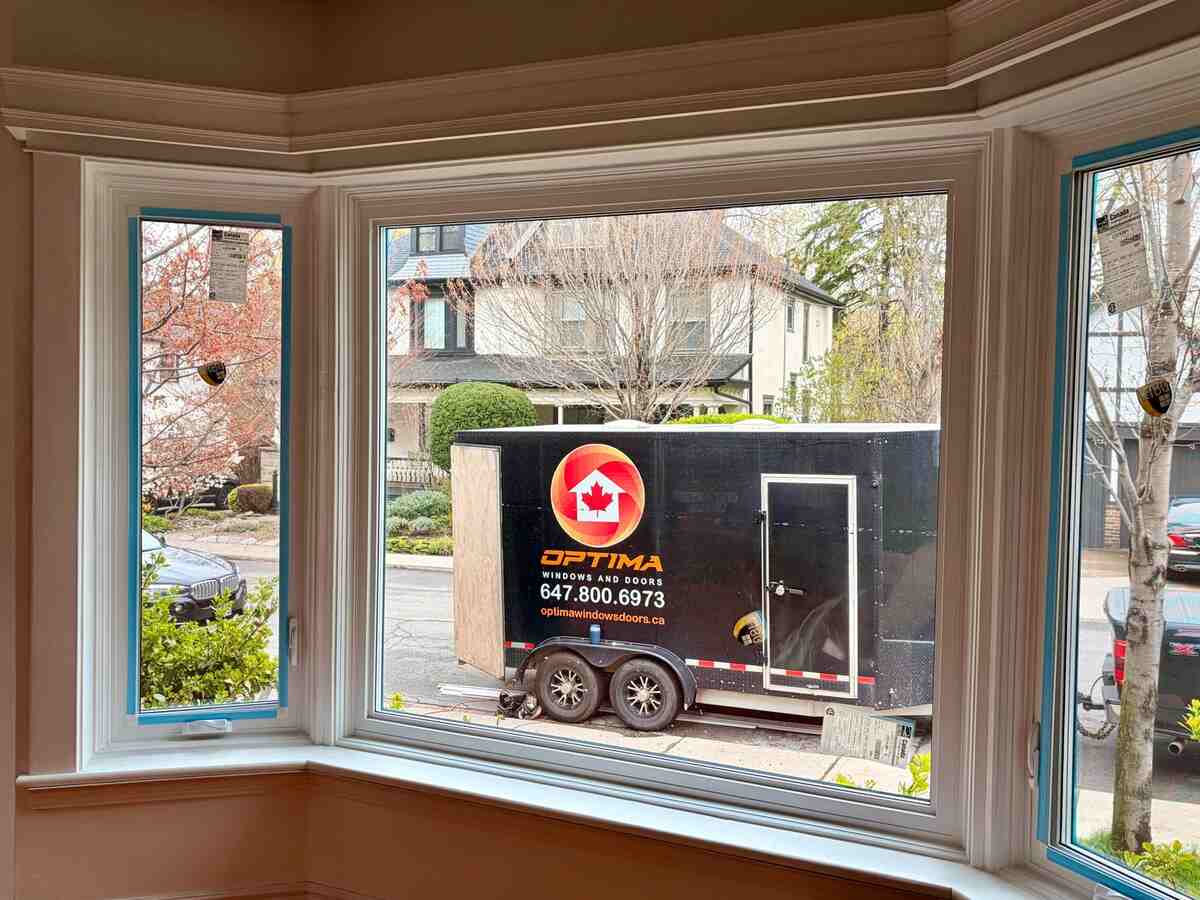
A cold seat beside the living-room window can make an otherwise comfortable house feel smaller in winter. Before choosing replacements, write down what is happening in that room. Is there a draught when the wind picks up? Does the glass feel cold even on a still day? Is the problem moisture on the inside surface, or fog trapped between the panes?
Those observations help turn a broad request for better windows into a useful specification. For an Ontario homeowner, the decision should connect the product’s documented performance with the condition of the existing opening and the way the room is used. Pane count matters, but it is only one item to discuss.
Start With the Problem in Each Room
Walk through the house before arranging quotations. Note windows that are difficult to open, damaged seals water staining and places where you regularly move a chair away from the glass. Take photographs of moisture when it appears, and record whether it is indoors, outdoors or between panes. A contractor can investigate these clues instead of working from a general complaint that the house feels cold.
Ask whether the proposed work addresses a repairable fault, a failing sealed glass unit or a larger frame problem. That distinction can change the scope. A replacement proposal should explain why the recommended work is appropriate for the opening, especially when the surrounding trim or wall shows damage. It should also identify any further inspection needed before the price and method can be finalized.
Compare the Complete Window

Get the Green Building Project Checklist
Use this handy checklist on your next project to keep track of all the ways you can make your home more energy-efficient and sustainable.
Ask for the performance information for the configuration being quoted. A photograph of a label from a different product does not tell you what will be installed in your home. Keep the model identification and glass specification with the quotation so you can compare the written proposal with the order.
The whole-window U-factor describes heat transfer through the assembly, including its frame and glass. A lower value means less heat transfer. A centre-of-glass figure describes only part of the product, so it is not an equivalent comparison. Natural Resources Canada’s window and door guidance explains these rating differences.
For a useful discussion, ask the supplier to point to the exact rating on the proposed model and explain what changes if you choose a different opening style or glass package. Compare U-factors in the same units. If ENERGY STAR certification is part of the proposal, ask how the specific model and configuration can be identified, rather than relying on a logo in a general brochure.
Choose Glazing for the Room
Consider the window’s direction, nearby shade and how the room feels through the year. A sunny room that overheats in summer presents a different question from a shaded room where winter comfort is the main concern.
The solar heat gain coefficient, or SHGC, indicates how much solar heat passes through the window. Lower values admit less solar heat. Ask the supplier to explain the proposed balance between winter sunlight and summer overheating for that location. Compare visible transmittance as well if preserving daylight is a priority.
Request a comparison between the actual double- and triple-glazed options available for the opening. Have the supplier show the ratings, price difference and any changes to the frame or operation. That gives you a decision based on the proposed products, rather than an assumption that every window with the same number of panes performs alike.
Make Installation Part of the Specification
Ask whether the work will retain the existing frame or remove it, and why. An insert may be suitable when the retained frame is sound; damaged material can require a different approach. The quotation should make the proposed method clear before work begins.
The junction between the new window and the wall deserves a specific conversation. Gaps around the opening need an air seal, while flashing and the surrounding water-management details need to direct water outward. These are different tasks. A neat line of interior trim does not show how the concealed junction was completed.
Ask who will inspect the opening, what happens if concealed damage is found, and how additional work will be approved. Request photographs of the preparation and sealing before the trim goes back on. At the final walkthrough, check that each opening window operates and locks, and ask the installer to show you the care instructions for its hardware and seals.
Read Condensation as a Clue
Moisture on the room-side surface of glass can form when humid indoor air meets a cold surface. Indoor humidity and air circulation both affect it. Closed curtains, deep sills or furniture near a window can limit airflow, so changing the window alone may not resolve every moisture problem.
Fog between the panes points to a different issue and should be assessed as a possible sealed-unit failure. Natural Resources Canada’s condensation advice distinguishes these situations. Bring photographs and your observations to the consultation, and ask how the diagnosis relates to the proposed work. Avoid treating a promise of condensation-free glass as a substitute for that explanation.
Put the Comparison on Paper
Keep a short comparison sheet for each quotation. Record the model, glass package, whole-window ratings, installation method and finishing work. Add who will carry out the installation, how concealed repairs are handled, and which written warranty terms apply to the product and workmanship.
Toronto and GTA homeowners can use window replacement guidance from Optima Windows & Doors as one starting point for that conversation. Ask every supplier to describe the work for your particular openings and put the answers in writing.
For a separate overview of budgeting, Green Building Canada’s guide to the average cost of replacing windows in Ontario is a useful companion. Your final quotation should still reflect the actual measurements, product choices and installation scope.
Decide what a successful result means before you sign: being able to sit beside the window comfortably, operating it easily or addressing a documented fault. Matching that goal to a specific product and a clear installation plan makes the project easier to compare and the finished work easier to assess.


