
Strategies for Lowering Carbon Emissions on Industrial Projects


Industrial projects play a vital role in supporting economic growth, but also contribute significantly to global greenhouse gas emissions. As environmental regulations become stricter and organizations pursue ambitious sustainability goals, companies are seeking practical ways to reduce their environmental footprint.
By adopting modern technologies, improving operational efficiency and embracing sustainable practices, industrial businesses can lower emissions while maintaining productivity and long-term profitability. This article will delve into the details of prioritizing energy-efficient equipment, optimizing equipment maintenance and more.
Prioritizing Energy-Efficient Equipment
One of the most effective ways to reduce emissions is by upgrading to energy-efficient machinery and systems. Modern equipment often consumes less fuel or electricity while delivering the same or even better performance than older alternatives. Variable speed motors, high-efficiency compressors and intelligent control systems help minimize unnecessary energy consumption across industrial sites.
Routine performance assessment also allows project managers to identify equipment that wastes energy. Replacing outdated machinery at the right time can significantly reduce operational costs and carbon emissions throughout a project’s lifecycle.
Optimizing Equipment Maintenance

Get the Green Building Project Checklist
Use this handy checklist on your next project to keep track of all the ways you can make your home more energy-efficient and sustainable.
Well-maintained equipment operates more efficiently, consuming less fuel and producing fewer emissions. Preventive maintenance reduces wear and tear, prevents costly breakdowns and ensures that machines continue performing at optimal levels.
For industries that rely on heavy machinery, investing in professional mobile mining equipment maintenance services helps to:
- Improve equipment reliability
- Extend life and support sustainability initiatives by reducing unnecessary fuel consumption
- Avoid premature equipment replacement
Predictive maintenance technologies that use sensors and real-time monitoring further enhance efficiency by identifying potential issues before they develop into major mechanical failures.
Incorporating Renewable Energy
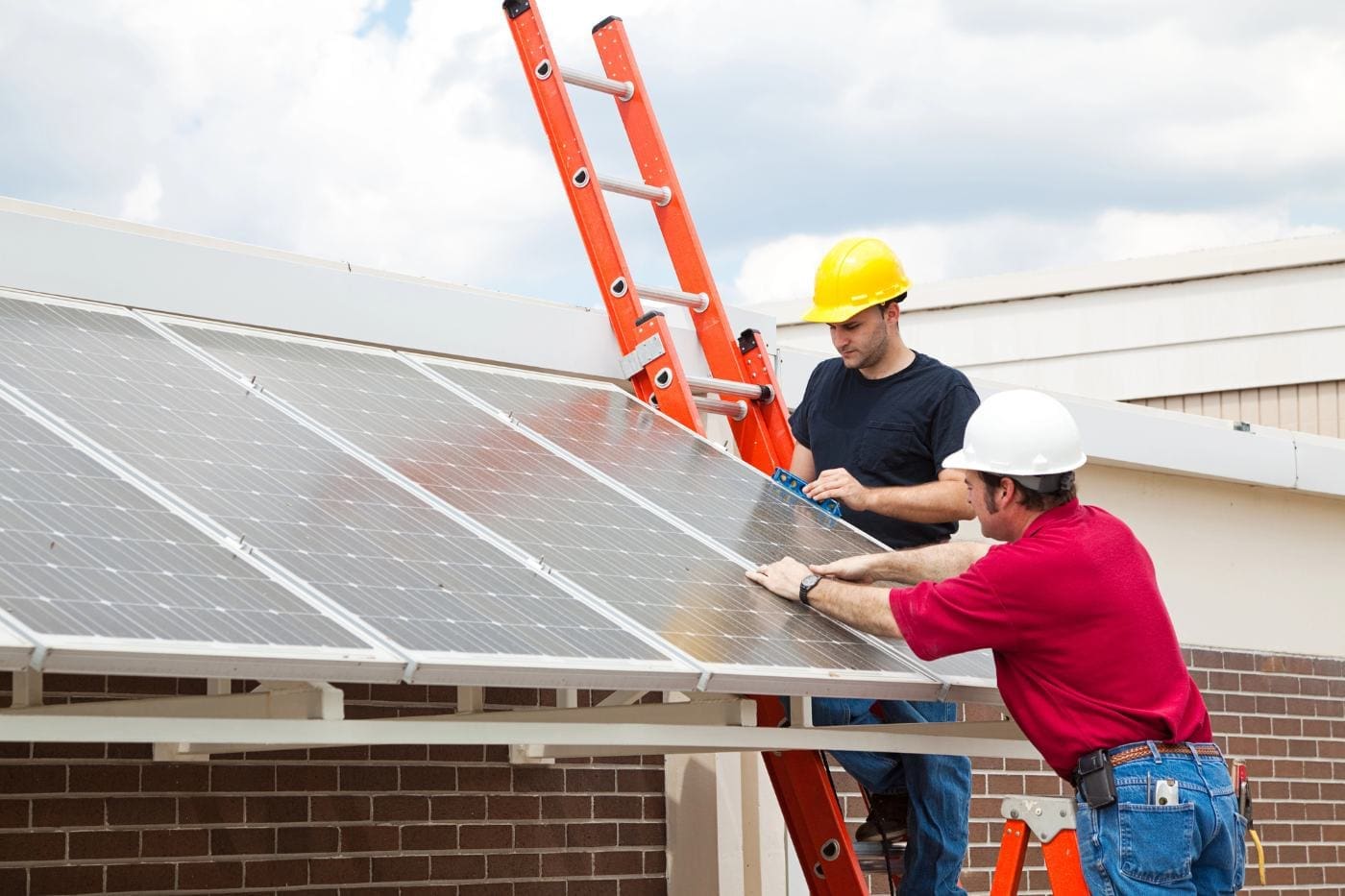
Industrial facilities are increasingly integrating renewable energy into their operations. Solar panels, wind turbines and battery storage systems can supplement traditional power sources, which reduces dependence on fossil fuels.
Even partial adoption of renewable energy can lower overall emissions while improving energy resilience during periods of high demand. Many organizations also purchase renewable electricity through utility providers or participate in green energy programs to further decrease their environmental impact.
Using Low-Carbon Building Materials
The construction phase of industrial projects offers valuable opportunities to reduce emissions. Selecting recycled steel, low-carbon concrete, sustainably sourced timber and environmentally certified insulation materials helps lower the embodied carbon of new facilities.
Designing buildings with improved insulation, natural lighting and efficient ventilation systems also reduces long-term energy requirements, resulting in lower operational emissions for decades after construction is complete.
Leveraging Smart Technologies
Digital technologies have become powerful tools for improving sustainability. Internet of Things (IoT) sensors, artificial intelligence and automated energy management systems continuously monitor equipment performance and resource consumption.
These technologies enable operators to identify inefficiencies, optimize production schedules and minimize energy waste. Data-driven decision making also allows organizations to track emission reduction goals more accurately and adjust operational strategies when improvements are needed.
Improving Transportation and Logistics

Transportation often represents a substantial portion of an industrial project’s carbon footprint.
Focusing on efficient route planning, consolidated deliveries and fuel efficiency can significantly lower emissions, and some companies are transitioning to electric or hybrid vehicles for on-site transportation in order to lower them even further. Careful co-ordination between suppliers, contractors and project managers minimizes unnecessary trips and reduces idle time for heavy equipment.
Industrial Projects of the Future
Lowering environmental impacts requires a combination of thoughtful planning, technological innovation and continuous improvement. Organizations that invest in efficient equipment, renewable energy, smart monitoring and responsible resource management are better positioned to meet evolving environmental expectations while strengthening their long-term competitiveness.
Sustainable industrial practices benefit the environment and create lasting operational value and resilience for future projects.
Images from Depositphotos
