
How Robotic Automation is Reducing Waste in Metal Component Manufacturing


Manufacturing has always had a waste problem. Every cut, grind and polish on a metal part risks producing scrap, and every imperfect finish risks a part being reworked or thrown out entirely. In the United States alone, metal waste from manufacturing adds up to roughly 19.2 million tons a year – a figure that puts into perspective just how much value is lost to inefficiency before a single component ever reaches its final use.
For decades, much of that waste came down to human variability. Manual finishing work (deburring, grinding, polishing) is repetitive, physically demanding and inherently inconsistent. Even skilled operators have good days and bad days, and the difference shows up in scrapped parts, rework and wasted raw material. Robotic automation is changing that equation, and the shift is now visible across the metalworking industry.
Precision Reduces Waste Before It Happens
The most direct way automation cuts waste is by removing the variability that causes it in the first place. Robotic systems repeat the same motion with the same pressure and the same tool path every single time, which is something no human hand can fully replicate over an eight-hour shift. That consistency means fewer overcut or misaligned parts, fewer defects that require rework and less raw material lost to scrap.
Industry data backs this up: robotic finishing systems are documented to achieve micron-level precision and maintain it continuously, which directly reduces the kind of material waste caused by overcutting, misalignment or defective assembly. In sectors like steel production, automation has been linked to productivity gains of up to 20 percent – gains that come not just from speed, but from fewer errors and less downtime spent fixing them.
Smarter Use of Abrasives and Raw Materials

Get the Green Building Project Checklist
Use this handy checklist on your next project to keep track of all the ways you can make your home more energy-efficient and sustainable.
Surface finishing (sanding, grinding and polishing) is one of the most material-intensive stages of metal component production, and it’s also one of the easiest places to waste resources. Abrasive belts, polishing compounds and consumable tooling all get used up faster when applied inconsistently or to a part that didn’t need that much correction in the first place.
Robotic systems programmed with vision-guided sensors can adjust in real time to the actual geometry of each part rather than applying a one-size-fits-all process. This reduces the amount of abrasive material consumed per part and lowers the chances of a workpiece needing a second or third pass. Robotic deburring and polishing technology, in particular, has been described as a quiet but significant shift in how manufacturers approach efficiency, precisely because it cuts down on the consumables that traditionally added up across high-volume production runs.
Less Rework, Less Scrap
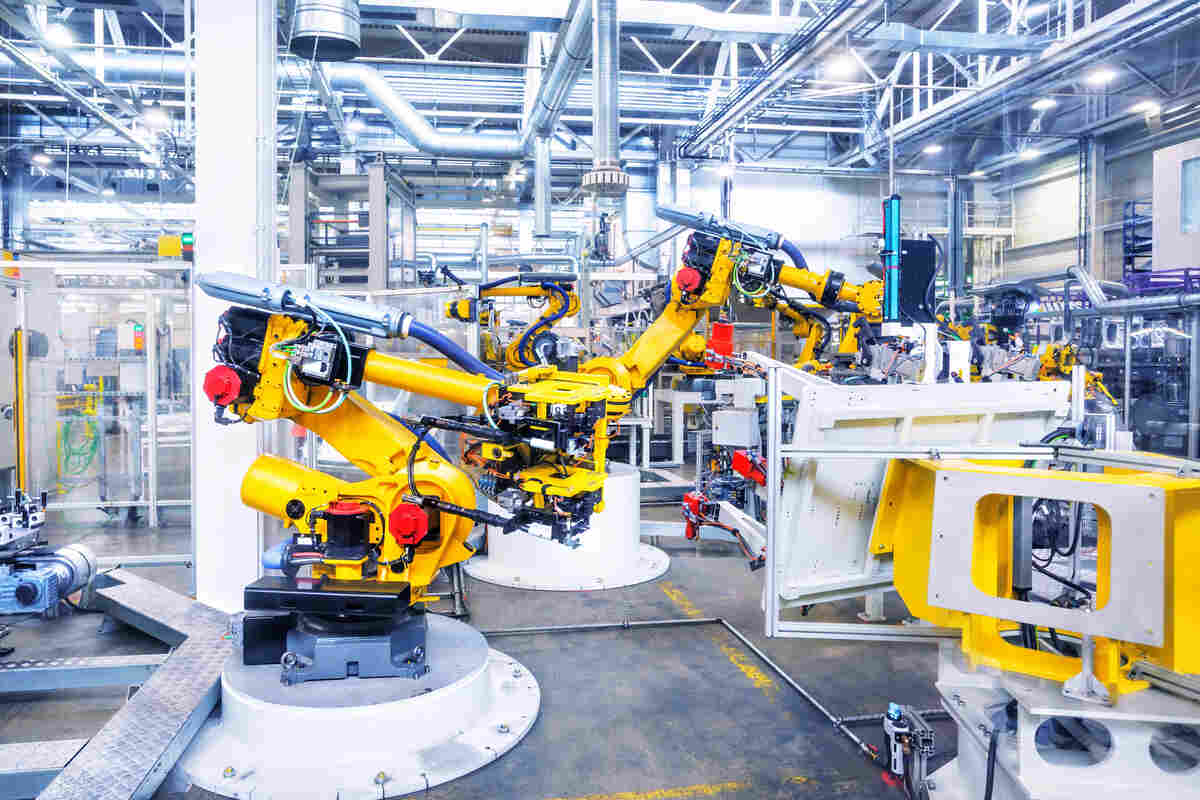
Rework is one of the most underestimated sources of waste in metal manufacturing. A part that doesn’t meet tolerance on the first pass doesn’t just cost extra labour, it consumes additional energy, additional abrasive material and sometimes additional raw stock if the correction isn’t possible. Automated systems, by maintaining consistent quality from the first unit to the thousandth, sharply reduce how often this happens.
This is especially valuable in industries where tolerances are tight and the cost of a single scrapped part is high: aerospace turbine components, automotive engine blocks and precision medical parts among them. In these contexts, a finishing process that goes wrong isn’t a minor inconvenience; it can mean discarding a part that already represents hours of upstream machining and material cost.
Why This Matters Beyond the Factory Floor
The connection between manufacturing waste and broader sustainability goals isn’t always obvious, but it’s a direct one. Less scrap means less raw material extracted and processed in the first place. Less rework means less energy spent reprocessing parts that should have been right the first time. And more efficient abrasive use means fewer consumables manufactured, shipped and disposed of.
As more manufacturers (from automotive suppliers to component makers for the construction and energy sectors) adopt robotic finishing technology, the cumulative effect on material and energy use across supply chains is likely to grow. For an industry that has historically treated waste as an unavoidable cost of doing business, automation is proving that a meaningful share of that waste was always avoidable. It just took the right tools to prove it.
Images from Depositphotos


