How Much Does it Cost to Renovate a House in Canada?
Understand Typical Renovation Costs So You Can Plan Your Budget with Confidence (Updated 2026)

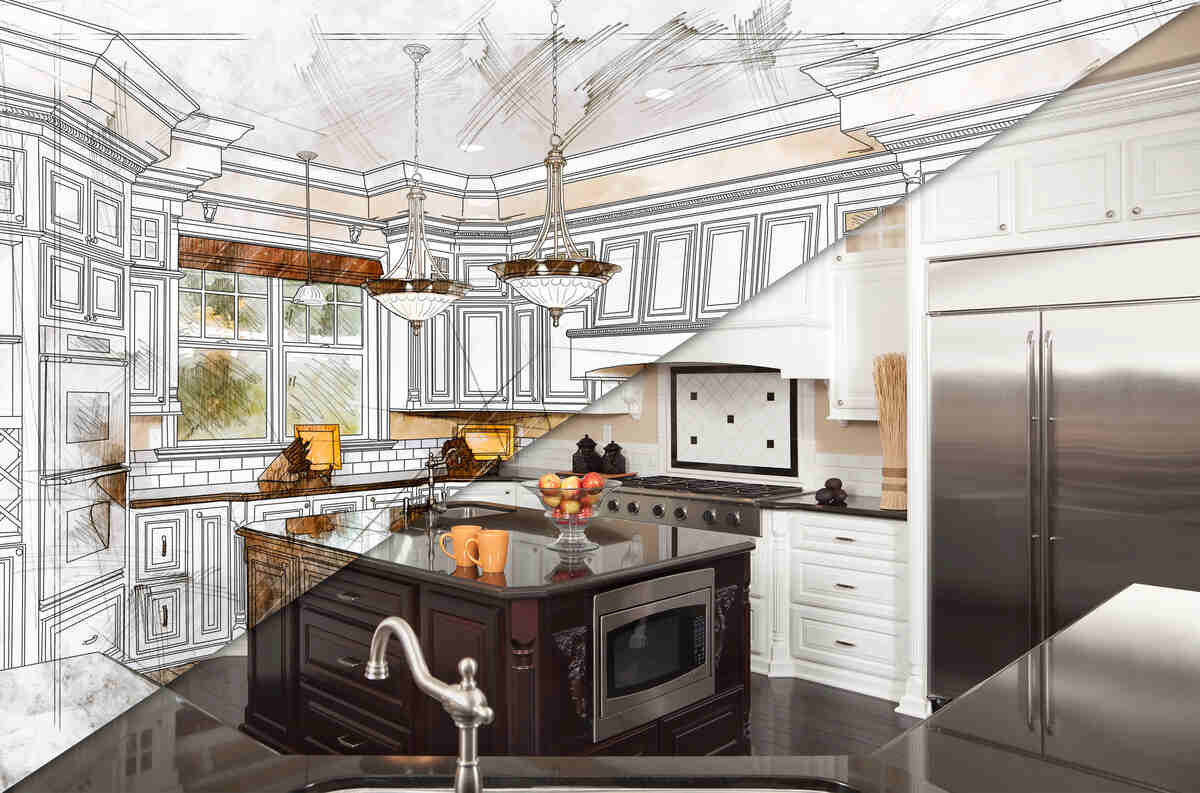
A change is as good as a rest, as the famous adage goes. When it comes to homes, it may also be cheaper than selling and moving if you have become a little jaded with your current house.
So, how much does it actually cost to renovate a house in Canada? As you are about to find out, that is a bit like asking “how long is a piece of string?” But, of course, you already knew that.
In this guide, we’ll attempt to break down typical renovation costs across Canada, factor in regional differences, hidden expenses and look at other issues that can dramatically affect your final budget. Hold on tight.
What’s the Average Renovation Cost per Square Foot in Canada?
Based on an average from various sources (builder estimates, contractor pricing guides and real homeowner quotes shared online) here are some ballpark ranges for renovation costs on a per-square-foot basis:
As you can appreciate, the more structural/building works involved, the higher the total cost tends to be.

Get the Green Building Project Checklist
Use this handy checklist on your next project to keep track of all the ways you can make your home more energy-efficient and sustainable.
Also, any projects that involve moving walls, replacing electrical systems, updating plumbing, or changing floor layouts will necessarily be much more expensive than purely cosmetic upgrades.
Average Renovation Cost per Square Foot in Canada
| Renovation type | Approximate Cost (per sq ft) |
| Cosmetic refresh (painting, lighting, flooring, etc) | $10–45 |
| Partial renovation (kitchen, bathroom, removing non-load-bearing walls, etc.) | $55–140 |
| Full-home renovation* | $125–175 |
| Full gut renovation (alterations to structure, insulation, plumbing, etc.)* | $150–260+ |
* There is some major overlap between these two, so costs will likely fluctuate between the two ranges depending on the exact scope of work.
Building on the above, here are some rough and ready price ranges for properties based on size. Note that the following estimates assume substantial renovation work rather than simple decorating.
Again, as you can appreciate, these figures can vary significantly depending on the location, age and condition of the property. They also don’t take into account remedial works (if needed) for things like mould or asbestos, etc.
Average Whole-house Renovation Costs in Canada
| House Size | Average Renovation Cost* |
| 1,500 sq ft | $187,500–$262,500 |
| 2,000 sq ft | $250,000–$350,000 |
| 2,500 sq ft | $312,500–$437,500 |
| 3,000 sq ft | $375,000–$525,000 |
* Costs based on “Full-home renovation” from the previous table ($125–175/sq ft).
What Are the Regional Differences in Renovation Costs Across Canada?
Toronto and Vancouver
As you likely already guessed, Toronto and Vancouver remain the most expensive renovation markets in the country. Demand for skilled trades remains high, labour costs are elevated and older housing stock often reveals unexpected issues once work begins.
To this end, high-end whole-home renovations in desirable Toronto neighbourhoods can easily be 10 to 20 percent higher, or around $300–$500 per square foot.
Other things to look out for that could inflate the price include, but are not limited to, things like:
- Heritage restrictions
- Permit requirements
- Limited site access (eg. high-rise condo)
- Parking and logistics (eg. no elevators)
- Older electrical and plumbing systems
Other Large Cities (eg. Calgary, Edmonton, Ottawa)
Alberta often offers more competitive labour rates and generally lower renovation costs than Ontario or British Columbia.
That said, project costs have risen significantly in recent years due to population growth and increased demand.
Ottawa seems to generally sit slightly below Toronto and Vancouver but remains above the national average. Homeowners here can often expect mid-range renovations to cost somewhat less, although major structural projects remain expensive.
WATCH || The Cost of Doing Home Renos in Calgary Keeps Rising
Rural Canada
While labour rates may be lower in some rural areas, transportation costs and contractor availability can offset many of these savings.
In some cases, homeowners may pay premiums simply to secure qualified trades willing to travel to remote locations.
What Are the Hidden Costs of Renovating a House?

One of the biggest reasons renovation budgets spiral out of control is the discovery of unexpected issues once work begins.
Common examples include:
| Hidden Cost | Typical Range |
| Permit fees | $500–$20,000+ |
| Structural engineering | $2,000–$15,000+ |
| Electrical upgrades | $5,000–$50,000+ |
| Plumbing replacement | $5,000–$50,000+ |
| HVAC upgrades | $5,000–$30,000+ |
| Asbestos removal | $5,000–$50,000+ |
| Mould remediation | $2,000–$30,000+ |
| Landscaping repairs | $2,000–$25,000+ |
Another thing to note is that older homes often present the greatest risk of unforeseen expenses. Period homes, especially, may come with restrictions or legally binding requirements to preserve things like architectural features.
Don’t Forget Finance Costs
Another thing to bear in mind is how you intend to finance the renovation. If you plan to borrow, that cash is not free and can be substantial over time if you are not careful.
Things like home equity loan interest, construction financing, legal and appraisal fees can all eat into your budget, so make sure you take them into account. For larger renovations lasting several months, financing expenses can add thousands or even tens of thousands of dollars to the final project cost.
On the other side of the coin, any works that include improving things like insulation, heating, lighting, etc, may also qualify for financial assistance. Depending on the province you live in, cash incentives like grants or low-interest loans could save you a pretty penny.
HST and Other Tax Considerations
Many renovation projects in Canada are subject to Harmonized Sales Tax (HST), or provincial sales taxes, depending on location. On larger projects, tax alone can represent a significant portion of the overall budget.
Before starting work, homeowners should ensure they understand exactly which taxes apply to both labour and materials. Note, however, that if your project qualifies as a “substantial renovation,” you may be able to reclaim some or all of the tax paid.
Don’t Get Caught out by Unexpected Remediation Costs
One of the biggest renovation risks involves discovering problems hidden behind walls, ceilings or flooring. Examples include:
- Asbestos-containing materials
- Mould growth
- Water damage
- Structural deficiencies
- Pest damage
- Foundation issues
- Unsafe or older wiring (like knob-and-tube)
These issues can quickly add tens of thousands of dollars to a renovation budget. For older properties, many contractors recommend maintaining a contingency fund of at least 10 to 20 percent of the project value.
Do You Want No-frills or Luxury?
Just like building a new home from scratch, the level of finish you want for your renovation can dramatically impact costs. Items like custom cabinetry, imported stone countertops, designer fixtures, smart home systems and high-end appliances can all bloat budgets without changing the overall size of the project. This is why two seemingly similar kitchen renovations may differ in price by tens of thousands of dollars.
Of course, it may also be the case that more luxurious or higher quality materials will also deliver improved longevity, reducing the need to renovate again in the future. For example, marble countertops or ceramic sinks will last for many, many decades compared to cheaper options that can start to look ragged in only a matter of years. You “get what you pay for,” if you like.
What About High-performance and Energy-efficient Homes?
Renovating your property is also a good time to consider “future-proofing” it to lower your energy bills, not just change its aesthetics. Popular upgrades include:
- Heat pumps
- High-efficiency windows
- Additional insulation
- Solar panels
- Air sealing improvements
- Smart energy management systems
- Rainwater storage tanks
- Greywater systems
- Drainwater heat recovery systems
- HRV/ERVs
Note that many of these improvements will typically increase upfront costs, but they can dramatically reduce long-term energy bills and improve overall comfort. How much costs and payback vary will obviously depend on your ambitions here.
RELATED READ» Increase the Value of Your Property With These Green Home Upgrades»
The Bottom Line
As you can see, the average cost to renovate a house in Canada varies enormously depending on location, scope and finish quality. While cosmetic upgrades may cost only a few thousand dollars, major whole-home renovations frequently exceed six figures and can sometimes rival the cost of a new build.
The most important takeaway is not just to get several quotes before taking on a contractor, but also to remember to factor in a buffer for unforeseen issues, which can all significantly increase the final cost of a renovation project.
Good luck!
Images from Depositphotos