
Why Quality Steel Reinforcement Matters for Long-Lasting, Sustainable Concrete Construction

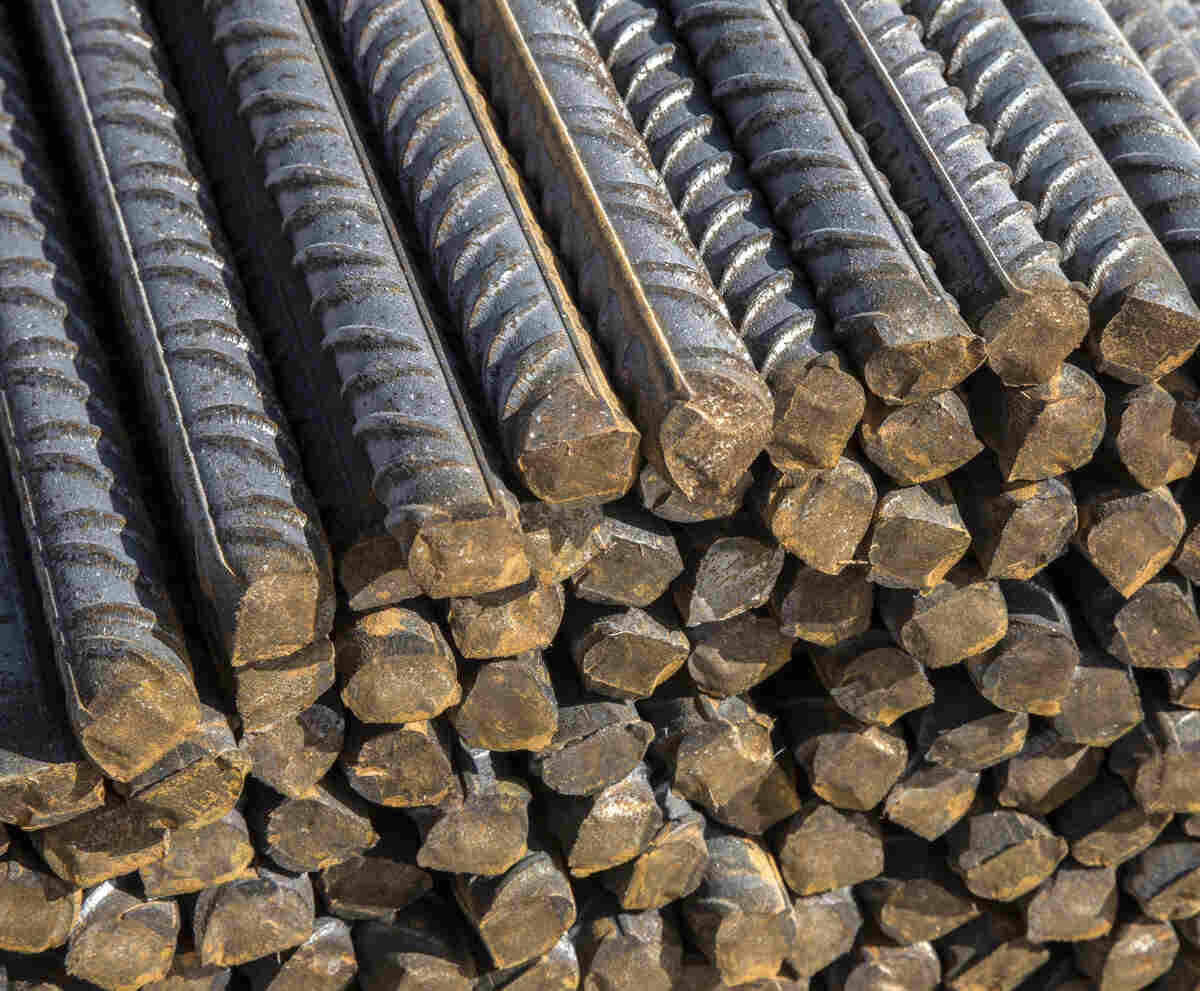
Concrete is renowned for its strength but it cannot perform at its best on its own. That’s why, depending on the structure, it often needs help from steel reinforcement. Reinforcement is embedded within concrete to ensure it stands up to years of use and exposure to the elements. Doing so creates stronger, longer-lasting construction and reduces waste and unnecessary repairs over the lifespan of a building. Let’s explore why this is important.
Why Is Steel Reinforcement Used in Concrete?
When it is compressed, concrete is exceptionally strong, which makes it ideal for supporting heavy loads. Notwithstanding, it has one significant weakness. Namely, it can crack when stretched or bent under tension.
Steel reinforcement solves this problem because it takes on those tensile forces. That is because when reinforcing steel is placed inside concrete, the two materials work together to create a much stronger structural system.
This combination is crucial because it allows buildings, retaining walls, slabs, footings and other structures to withstand both everyday loads and changing environmental conditions. Without it, many of the concrete structures we rely on every day would be far more vulnerable to cracking and structural failure.
There are several different types of reinforcing products commonly used in construction, with reinforcing mesh being the most popular for concrete slabs. Rebar is typically used more in footings, columns and beams, while trench mesh is often selected for residential foundations. Often because they require additional strength along load-bearing walls.

Get the Green Building Project Checklist
Use this handy checklist on your next project to keep track of all the ways you can make your home more energy-efficient and sustainable.
How Does Quality Reinforcement Make Concrete Last Longer?

Since not all reinforced steel is manufactured to the same standard, it is recommended that you choose high-quality products manufactured to strict specifications and recognized standards. This means they are accurately sized, properly manufactured and suitable for a wide range of residential, commercial and civil applications.
Every structure is exposed to forces that gradually affect its condition. This can include traffic loads, frost heave, changing weather and temperatures and moisture. All of which can place significant stress on concrete over time.
However, using steel reinforcement strengthens concrete against these forces by distributing loads more effectively throughout the structure. This reduces the concentration and force of stress that often leads to cracking.
While some cracks might still develop, they will be smaller. So, they will be less likely to allow water and other contaminants to penetrate deep into the concrete. As a result, the likelihood of reinforcement corrosion, which can weaken structural elements if left untreated, will be much lower.
Using this type of durable reinforcement also enables buildings and infrastructure to remain in good condition for decades. Not least because they will require fewer major repairs, ultimately saving time, materials and labour throughout their lifespan.
What Role Does Steel Reinforcement Play in Sustainable Construction?
While sustainability within the construction industry is often centred around selecting environmentally responsible materials, it is also about building structures that remain functional for many decades.
Quite simply, when concrete structures last longer, fewer resources will be needed for demolition, rebuilding or extensive repairs. Over time, this reduces the demand for new construction materials and lowers the amount of waste sent to landfill.
In isolation, reinforcing steel is highly recyclable at the end of a building’s life and reused in future manufacturing. So, there is no question that it is a valuable material to use where possible.
In fact, this type of durable construction also supports a more efficient use of raw materials. That’s because a well-built structure that performs as intended for many years will reduce the environmental impact associated with frequent replacement.
What Can Go Wrong When Low-Quality Reinforcement Is Used?
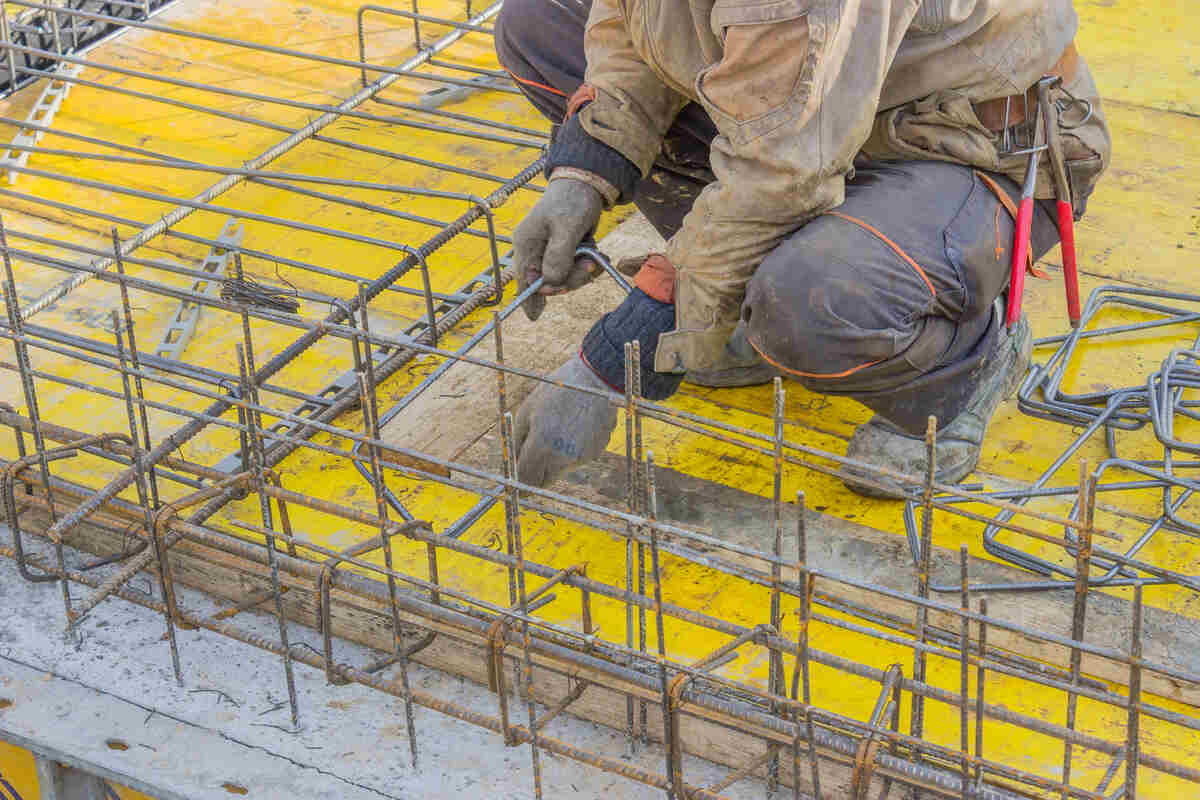
It is understandable that builders will want to reduce the upfront cost of construction by choosing lower-quality reinforcement. However, doing this can lead to expensive consequences later down the line.
One of the main reasons why is that poorly manufactured reinforcing steel may not perform as you want it to when placed under load. As a result, this will increase the risk of excessive cracking, uneven stress distribution and reduced structural reliability.
It is also important to note that if reinforcement corrodes prematurely, it expands inside the concrete. The more this expansion occurs, the more sections of concrete may crack or break away. Therefore, exposing even more steel to moisture further accelerates the deterioration process.
Unfortunately, repairing damaged reinforced concrete is not a simple task. In fact, in many cases, sections of concrete will need to be removed before replacement reinforcement can be installed. These repairs often require engaging specialist contractors and can lead to major disruption to normal building use.
Lastly, known structural issues from low-quality reinforcement can not only affect your property’s value but also create ongoing maintenance challenges throughout a building’s life.
Images from Depositphotos


