Unique Window Shapes? Smart Covering Ideas That Actually Work

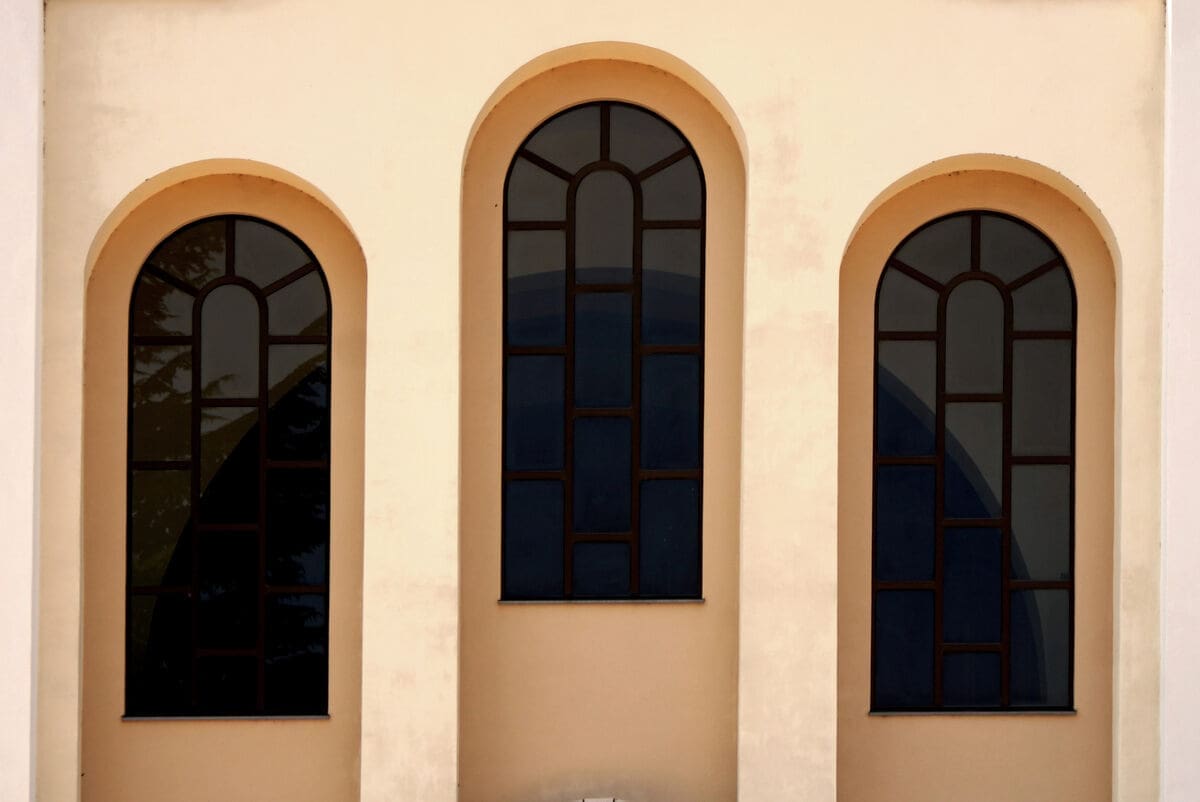
Specialty glazing creates a genuine problem for anyone responsible for finishing the interior envelope. Standard off-the-shelf blinds and rod-mounted drapery panels are engineered for rectangular openings with predictable hardware anchors, so they fail immediately when confronted with a half-circle transom, a sharply angled gable or a bank of mitred bay units.
The resulting gaps cause uncontrolled solar gain, condensation on cold surfaces during shoulder seasons and visible light leakage that undermines the architectural intent of the glazing. Most homeowners eventually consult professionals offering custom shades built to the measured geometry of each opening.
The Geometry Behind Custom Window Coverings
Unusual frame shapes behave differently from standard rectangles in three measurable ways: light distribution, air movement across the glazing surface and mechanical access for daily operation.
A half-circle transom scatters incoming light across the ceiling plane, while a steeply pitched gable concentrates solar gain near the apex, where warm air already collects by convection. Any treatment specified for these openings must respond to that physics, not simply cover the glass.
Thermal Performance and the Building Envelope

Get the Green Building Project Checklist
Use this handy checklist on your next project to keep track of all the ways you can make your home more energy-efficient and sustainable.
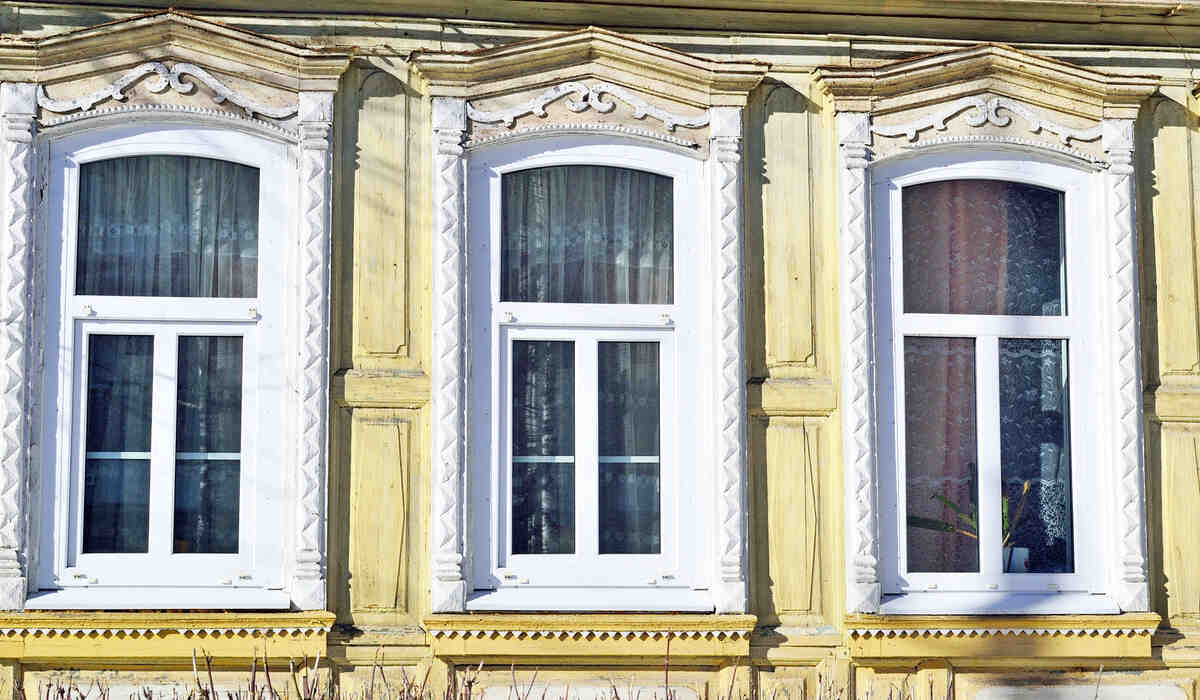
Glazing remains the weakest thermal element in most wall assemblies, typically rated between R2 and R5, even in high-performance triple-pane units. Specialty shapes often sit in locations with greater exposure, such as cathedral ceilings or stairwell gables, where stack effect pressures are strongest.
A properly sealed fabric covering with side channels can reduce convective heat loss through the assembly by a meaningful margin, particularly during overnight temperature drops.
Light Control and Optical Behaviour
Triangular and arched openings distort light in ways that flat treatments cannot correct. A fixed sunburst fan on a half-round transom blocks glare but eliminates daylight entirely, which is rarely the desired outcome in a principal living space. Operable systems, including top-down, bottom-up cellular units and motorized roller assemblies, preserve the architectural feature while giving the occupant genuine control over illumination levels throughout the day.
Matching Covering Systems to Specialty Window Shapes
Each specialty geometry calls for a distinct mechanical approach. Fabricators rely on rigid templates, precision hardware, and fabric orientation rules to translate an irregular opening into a functional covering that operates reliably for years.
Arched, Triangular and Skylight Assemblies
Half-round and elliptical tops typically accept either fixed sunburst fans or operable half-moon cellular units running on a pivot rail. For gable ends, triangular window blinds built with a sealed apex and a bottom-up cord mechanism handle steep angles without sagging. Overhead glazing demands dedicated skylight window shades on tensioned side tracks, since gravity alone will distort any loose fabric within a season.
Bay Windows and Oversized Openings
Bay assemblies require three or five independent treatments mitred at the interior mullions, which is why most bay window curtain ideas from standard retailers fail across angled junctions. For window covering ideas for large windows exceeding 2.4 metres in width, motorized roller systems with reinforced tubes prevent fabric deflection under their own weight.
Selecting the Right System to Each Shape
Correct system selection depends on matching the mechanism, fabric weight, and mounting method to the specific geometry in front of you.
| Shape | Recommended System | Operation | Critical Tolerance |
| Arched transom | Fan or cellular half moon | Fixed or pivot | ±3 mm radius |
| Triangle or gable | Rigid cellular with apex seal | Bottom-up cord | ±2 mm at angles |
| Skylight | Tensioned side track roller | Motorized pole | ±1.5 mm track |
| Bay assembly | Independent mitred panels | Cord or motor | Angle matched |
| Oversized span | Reinforced tube roller | Motor only | Deflection check |
Future Proofing Your Investment in Specialty Shade Systems
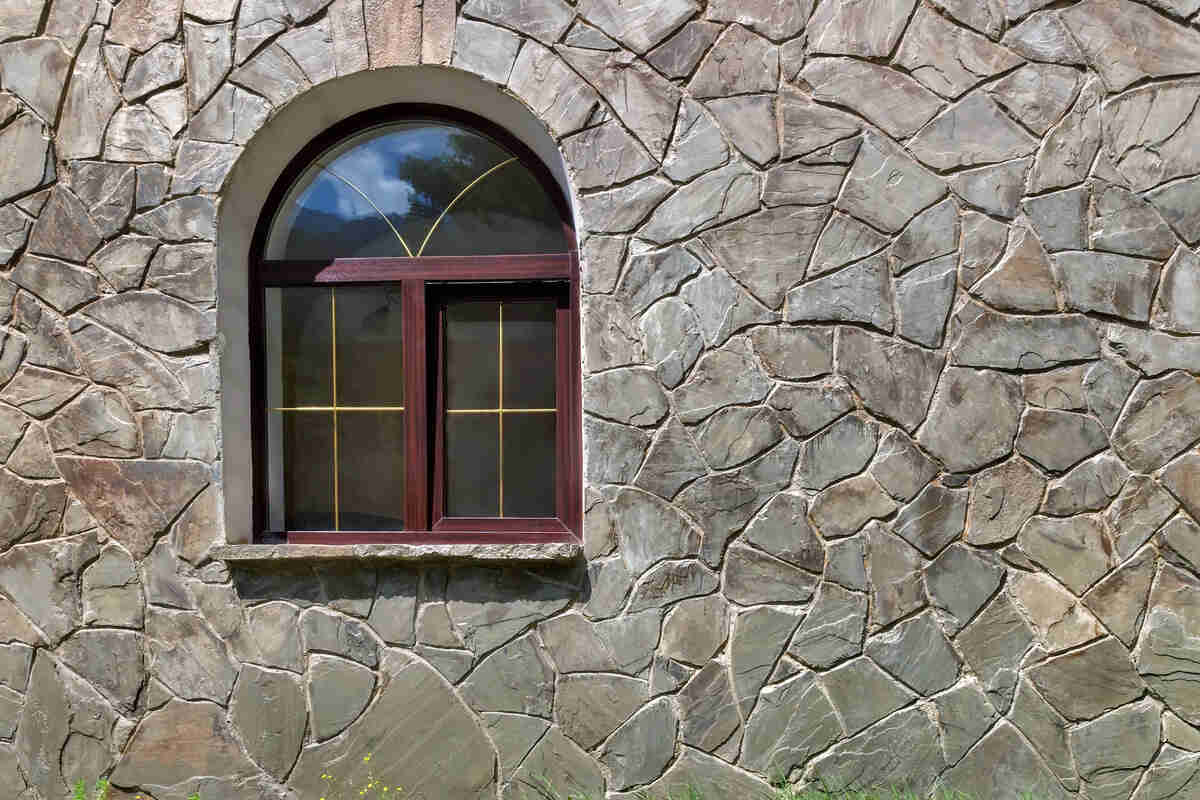
Specialty coverings represent a significant capital outlay, so longevity planning should begin at the specification stage rather than after installation. Service access, fabric durability and component standardization determine whether the assembly remains functional a decade from now.
Maintenance Intervals and Serviceability
Motorized systems on elevated glazing require scheduled inspection every 18 to 24 months. Drive belts, limit switches and tube bearings wear predictably under repeated cycling, and replacing a worn component costs far less than rebuilding a seized assembly. Manual cord mechanisms on arched window and triangular units should be tensioned annually to prevent fabric distortion at the apex.
Plan for these recurring checkpoints across the service life of the product:
- Annual fabric vacuuming to remove embedded particulate
- Biennial motor diagnostics for elevated or out-of-reach units
- Hardware torque verification on mitred bay installations every three years
- Side track cleaning on skylight assemblies each spring
- UV degradation assessment on south and west orientations after year seven
Component Standardization and Replacement Logic
Specifying products from manufacturers with documented parts availability matters more than any initial aesthetic choice. Proprietary mechanisms often become unserviceable within a decade when suppliers discontinue a product line. Open standard motor protocols, widely stocked tube sizes and replaceable fabric panels protect the original investment against obsolescence.
Key Takeaways for Specialty Shade Selection
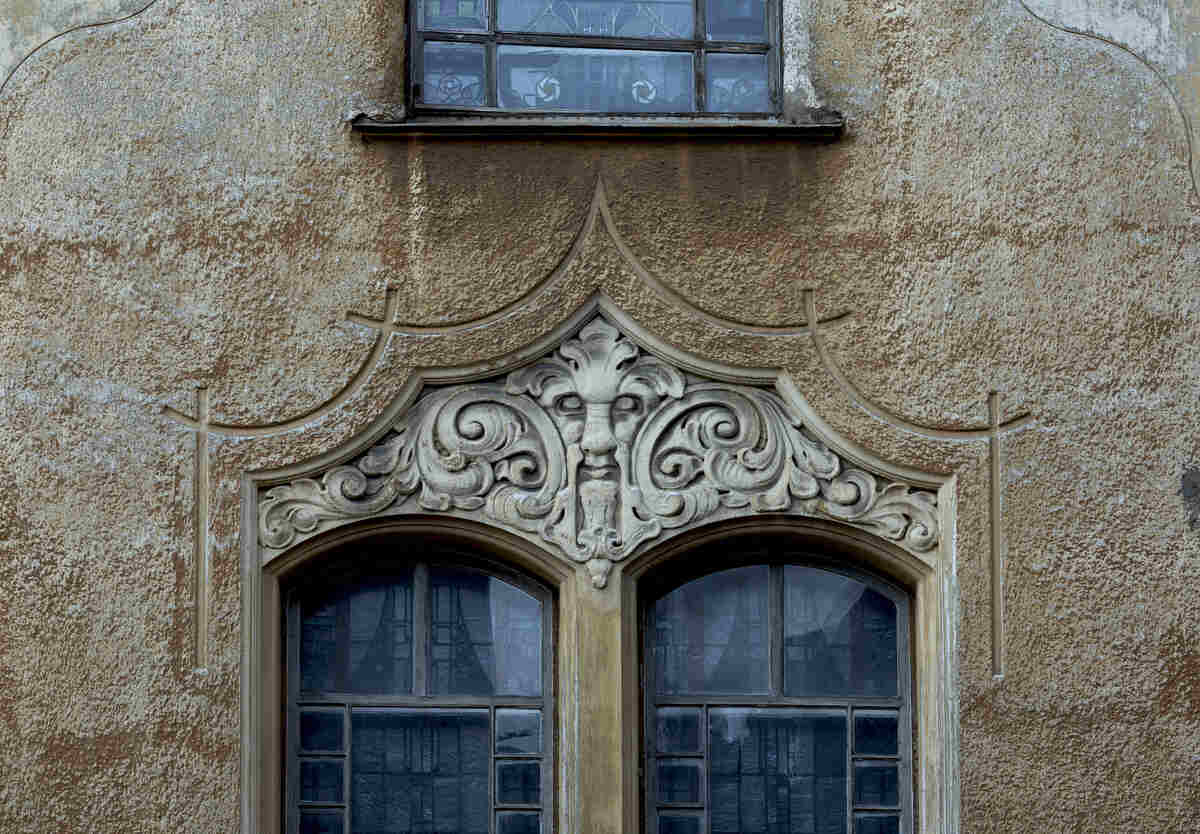
Unique window shapes require custom window coverings engineered to the exact geometry of the opening. Arched, triangular, skylight and oversized bay frames each demand specific mechanisms, rigid track systems and fabrication templates to function correctly. The right approach balances light control, thermal performance, and operational access, while respecting the structural tolerances of the frame itself for reliable long-term performance indoors.
Furthermore, specialty glazing rewards careful specification and penalizes shortcuts at every stage. Accurate templating, matched mechanisms and serviceable components separate a functional assembly from a costly replacement project within a few years. Orientation, reach, and frame tolerance drive the decision tree more reliably than visual preference alone.
Treating irregular openings as engineered systems produces interiors that perform thermally, optically and mechanically across decades, which is precisely what thoughtful custom window coverings are designed to deliver on atypical geometries.
Images from Depositphotos