
What It Costs to Retrofit a House in Canada (And Ways to Save)


Most of the buildings that will exist in Canada in 2050 have already been built. For Canada to achieve its climate targets, it’s estimated that the retrofit rate for existing homes and buildings needs to be about 3 percent per year, up from the current 1 percent, and it’s why different levels of government are encouraging retrofitting through incentive programs.
For those considering a retrofit, the main question most people ask is how much does it cost? The answer varies widely depending on the depth of the retrofit, the type of building and the technologies involved. Understanding these costs and the factors driving them can help you make the right choice for your building.
What Does it Mean to Retrofit?
Retrofitting refers to improvements made to an existing building to enhance energy efficiency, reduce emissions and improve performance. These upgrades typically focus on either the building envelope, such as insulation, windows and airtightness, or energy systems, including HVAC, lighting and smart controls.
Building envelope upgrades improve the building’s physical shell with the aim of reducing heat gain or loss. Mechanical and energy system upgrades address how energy is used inside the building. Depending on how many or how extensive these upgrades are implemented, retrofits can generally be shallow or deep.
Shallow Retrofits

Get the Green Building Project Checklist
Use this handy checklist on your next project to keep track of all the ways you can make your home more energy-efficient and sustainable.
Shallow retrofits are relatively inexpensive improvements designed to capture quick and moderate energy savings without major structural changes. They are the easiest way for building owners to improve energy efficiency as they don’t incur high upfront costs.
Typical measures in shallow retrofits include:
- LED lighting replacements
- Minor insulation improvements
- Air sealing around windows and doors
- Smart thermostats and controls
- Efficient appliances and equipment
While these upgrades are relatively affordable and often have quick payback periods, they usually do not achieve major emissions reductions.
Deep Retrofits
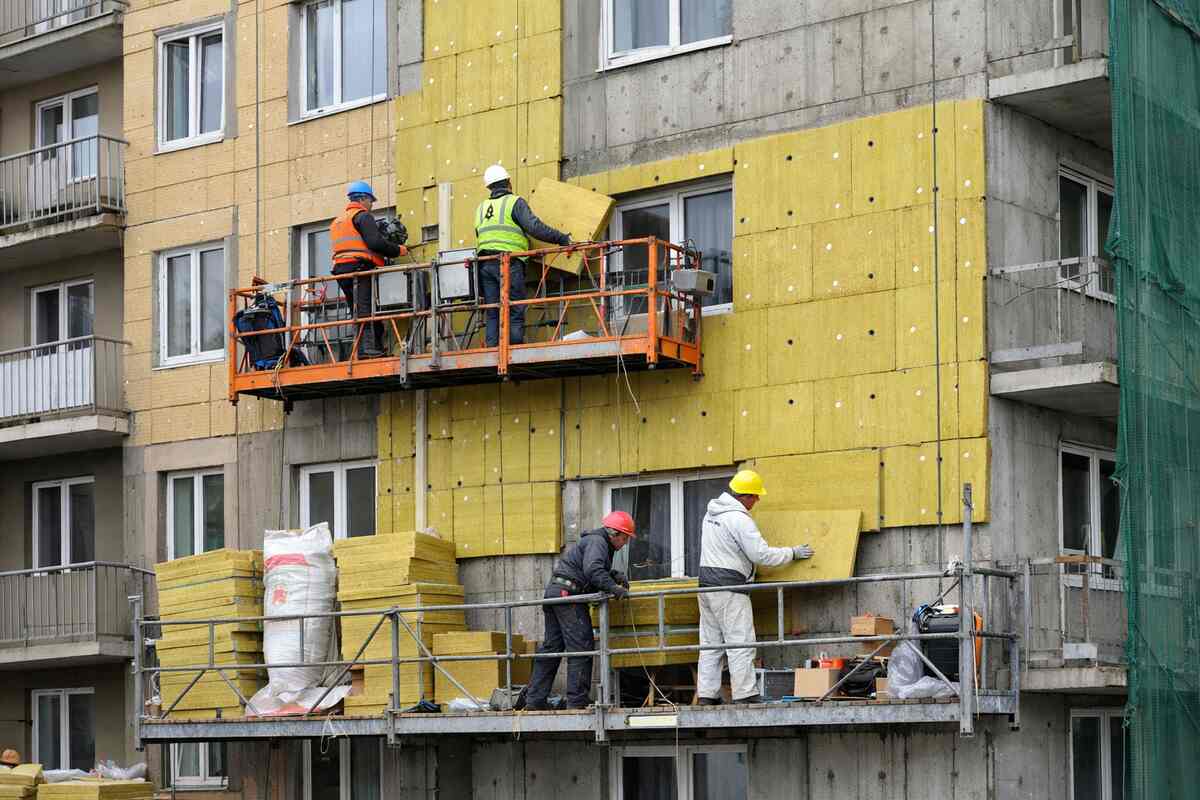
Deep retrofits are the most comprehensive form of building upgrades. They aim to dramatically reduce energy use while eliminating fossil fuel heating. Deep retrofits often involve a coordinated set of upgrades including:
- Major insulation improvements to walls, roofs and foundations
- Replacement of windows and doors with high-performance options
- Electrification of heating systems by installing heat pumps
- Upgrade HVAC systems such as heat pumps and heat recovery ventilation
- Integration of renewable energy such as solar panels
Despite the high upfront costs, deep retrofits can reduce building emissions by 70–90 percent, as they approach energy efficiency at a whole-building systems level.
Cost Comparison for Different Types of Retrofits
| Retrofit level | Type of measures | Cost range | Energy reduction potential |
| Shallow | LED lighting, air sealing, minor insulation improvements | $1,000 – $10,000 | 10–20% |
| Medium | Heat pumps, insulation upgrades, window replacement | $20,000 – $60,000 | 30–50% |
| Deep | Whole-building envelope upgrades, electrification, ventilation improvements | $60,000 – $120,000+ | 70–90% |
Considerations
Several factors influence retrofit costs in Canada. Here are a few of the most important ones to consider.
Aging Building Stock
Most Canadian homes were built in the 1900s with some attaining status of century buildings. This is before modern energy efficiency codes were developed. These older buildings often lack insulation, airtightness and efficient heating systems. Bringing these buildings up to modern standards requires extensive upgrades.
Complexity of Existing Buildings
Retrofitting existing buildings tends to be more complicated than constructing new ones. Contractors must work within existing structures, which may contain hidden problems such as outdated wiring, structural limitations or moisture issues.
Cold Climate Requirements
Canada’s long heating season means buildings must retain heat effectively. High-performance insulation, airtight construction and efficient heating systems are essential, adding to retrofit costs. Aging buildings that may have insulation undergo wear and tear and may need upgrades.
Labour and Construction Costs
The retrofit industry is still developing in Canada, and skilled labour shortages can increase project costs. Specialized work such as heat pump installation or envelope retrofits requires trained professionals.
Provincial Differences
While retrofit costs always fall within a wide range, which province you reside in can make some difference. For example, Ontario’s building stock has significant aging buildings of complex nature and naturally retrofitting these buildings will be expensive. Provinces like Ontario and Quebec have cleaner electricity grids, and specific upgrades like solar panel installations may not provide as much emissions reductions compared to Alberta that has a primarily fossil-fuel based grid. Provincial incentives offered for retrofits will also determine how much money you may have to invest upfront.
The Economic Opportunity of Retrofits
Without upgrading their homes, homeowners face rising energy bills as fossil fuel prices fluctuate. With climate change exacerbating, poor indoor comfort during heat waves or cold snaps would also increase energy bills. Maintenance costs of aging buildings are often higher compared to upfront costs of retrofits that receive an operational payback.
Average Costs for Specific Home Upgrades
| Upgrade | Cost Range |
| Heat pump installation (Air-source/Ground-source) | $3,000 – $40,000 |
| Rooftop solar panels (7 kW at $2.50–$3.50 per Watt) | $18,000 – $25,000 |
| Window replacement (10 windows at ~$500-1000) | ~$5,000-10,000 |
| Insulation upgrades (1,200 sq ft attic at $1.50 to $4.00 per sq ft. | ~$1,800- 4,800 |
| Home battery storage (10 kWh system at $800-$1,200) | $8,000 – $12,000 |
Incentives and Financial Support
Federal Incentives
The federal government provides national grants and financing programs to support residential and multi-unit retrofits.
Canada Greener Homes Initiative – This program used to provide grants and loans to support energy efficiency upgrades, though these are now closed. The Oil to Heat Pump Affordability Program is still active and provides up to $10,000 for substituting oil-based heaters for heat pumps, and $25,000 for directly installing heat pumps. It is available to homeowners in British Columbia, New Brunswick, Newfoundland and Labrador, Nova Scotia, Ontario, Prince Edward Island or Yukon. Learn more»
Canada Greener Homes Affordability Program (CGHAP) – The CGHAP supports low-to-median-income homeowners and tenants with home retrofits free-of-charge. It supports costs for upgrades such as insulation, lighting, heat pump installation, smart thermostats, etc. – all costs covered. The program launched in 2025, and is currently implemented in Manitoba, with updates about other provinces coming soon. Learn more»
Canada Greener Affordable Housing program – This program is administered through the Canada Mortgage and Housing Corporation (CMHC) and provides low-interest loans and grants for deep retrofits in affordable housing. Funding of up to $170,000 per unit is provided for envelope improvements, heating electrification and energy systems modernization. The program covers 100 percent of retrofit costs through loans including low-interest repayable and forgivable loans. Learn more»
Deep Retrofit Accelerator Initiative (DRAI) – This program supports deep retrofits of large projects including commercial, institutional and multi-unit residential buildings. It provides funds supporting retrofit projects as well as organizational capacity building to enable retrofitting, such as the development of tools, resources and solutions that are innovative, replicable and can support the retrofit economy. The program will cover 100 percent of expenditure by non-profit organizations or government, and 75 percent of costs by for-profit organizations. Learn more»
Other Incentives
| Province/City | Program | Support Offered |
| Ontario | Home Renovation Savings Program Learn More» | Up to $12,000 for heat pumps, $7,700 for insulation, $100 per window, and up to $10,000 for solar and battery systems |
| Ontario | Enbridge Home Winterproofing/ Energy Affordability Programs Learn More» | Free energy efficiency upgrades for eligible low-income households |
| British Columbia | CleanBC Home Renovation Rebate Learn More» | Rebates including up to $4,000 for heat pumps, up to $5,500 for insulation, and up to $2,000 for windows and doors |
| British Columbia | Multi-Unit Residential Building Retrofit Program Learn More» | Funding of 100% up to $5,000 per unit for transitioning to high efficiency HVAC, installing solar panels and battery storage |
| British Columbia | BC Hydro Heat Pump Rebates Learn More» | Up to $4,000 for heat pump installations |
| Nova Scotia | Efficiency Nova Scotia Home Energy Assessment Learn More» | Free home assessments and energy efficiency recommendations, followed by rebates on upgrades |
| Quebec | Hydro Quebec Energy Efficiency Retrofit Program Learn More» | Financial assistance for energy-efficiency upgrades such insulation, LED lighting, appliances, including up to $5,000 per unit for installing heat pumps |
| Manitoba | Efficiency Manitoba Home Energy Retrofits Learn More» | $75 per gigajoule (GJ) saved up to the typical new home GJ rating, and $150 per GJ saved beyond the typical new home GJ rating. |
| Prince Edward Island | efficiencyPEI Home Insulation Rebate Learn More» | Rebates for insulation and air sealing in walls, ceilings, floors, attic, skylights at various rates |
| Prince Edward Island | Home Heating Loan Program Learn More» | Up to $30,000 repayable loan for purchase and installation of energy efficient heating |
| New Brunswick | Total Home Energy Savings Program Learn More» | Rebates for insulation, solar PV and heating upgrades, including up to $15,000 for switching to a heat pump |
Provinces and municipalities across Canada offer additional rebates and financing programs that complement federal incentives.
Even with these incentives, the remaining cost can sometimes take a decade or more to recover through energy savings, depending on energy prices and household energy consumption. However, the long-term benefits such as lower energy bills, improved indoor comfort and reduced emissions, make them an important investment for the future.
With the right mix of incentives, financing tools and skilled workforce development, retrofits can transform Canada’s aging buildings into healthier, more efficient and climate-ready spaces for decades to come.
Images from Depositphotos


