
One of the accidental consequences of the COVID-19 pandemic was the growth of remote work. Since companies had already been embracing ESG policies and making sustainability in the workplace a priority, adopting remote work seemed like a logical shift to make as it’s inherently a more sustainable option – if employees don’t need to drive back and forth to work every day that’s a lot less carbon emissions, not to mention how much time is saved.
Despite that, there’s been quite a backlash against remote work in the past couple of years to the point that many companies have demanded their employees return to the office or else they lose their jobs.
Though an in-person workplace is the less sustainable option, there’s still a lot that can be done to improve the eco-friendliness of one’s work environment. Here we’ll look at some ways to create a more sustainable workplace – both simple changes in company policy as well as more involved changes to the building.
Changes to the Physical Workspace
Creating a more sustainable workspace often involves a collection of small actions that, together, result in a greener work environment. There is no need to bludgeon the budget to achieve tangible results because many activities only involve a slight change of habit. Consider the following changes to your workspace.
Lighting – Switching off office lights during the day or in vacant offices and meeting rooms reduces energy consumption. Improving access to natural light reduces electricity usage while creating a healthier environment for staff. Introducing motion sensors will also reduce energy consumption and support a more sustainable environment.
Temperature control – In many workspaces, temperature control is done by someone else, but it is never too sure who that person is that rules the thermostat. Reducing the temperature by a degree or two during winter will substantially reduce energy consumption during the colder months while raising the temperature of the air conditioning in the summer has the same effect.

Get the Green Building Project Checklist
Use this handy checklist on your next project to keep track of all the ways you can make your home more energy-efficient and sustainable.
Smart devices – Smart devices can play a significant role in creating energy savings concerning lighting and temperature control. Simple things like reducing the hot water temperature by a few degrees will hardly be noticed. Switching off appliances and lighting over weekends when no staff are working will score some points on sustainability ratings.
Paper and other consumables – The requirement to have documents printed has drastically diminished in recent years. This has promoted savings not only on paper but also on chemicals and ink and created an awareness of reducing printing documents to a minimum.
Associated with saving on printed paper, consider the availability of recycled products such as paper cups made from recycled material. Modern recycled paper is almost indistinguishable from virgin paper, and modern printers easily handle recycled paper for general printing operations.
Virtual meetings – During COVID-19, there was little option but to have virtual meetings. Today, virtual meetings are an excellent way for staff to connect without spending hours travelling and adding to the company’s carbon emissions. Here is a link from WWF to help establish how carbon footprints are calculated. (Let’s make our workplaces sustainable)
Some easy replacements – As your company follows more sustainable procurement policies the following substitutions can be made quite easily:
- Replace incandescent and neon lighting with LED lights.
- Use natural biodegradable cleaning products instead of harsh chemicals.
- Replace single-use plastic items with compostable ones.
- Source local suppliers for snacks and drinks.
- Install recycling receptacles to create awareness of the need to recycle.
- Replace meat-dominated corporate menus with more vegan options and locally sourced organic, healthy alternatives.
Financial Sustainability and Cybersecurity
A solid financial foundation is critical for the longevity of the workspace. To attain financial sustainability, workspaces must foster a symbiotic relationship with activities promoting a healthy environment and benefiting the community.
Innovative ways to reduce waste and utilize natural resources more effectively have the potential to improve the bottom line and gain significant customer appeal. Sourcing local raw materials and hiring personnel from the neighbourhood provide a strong foundation for a sustainable workspace.
Embracing ethical business standards together with fair employment practices are prerequisites for creating a sustainable future.
Computer backups, utilizing cloud storage facilities and ensuring the confidentiality of communication between customers and staff all rely on reliable cybersecurity measures. VPNs are another useful tool at a company’s disposal. So what does VPN do for sustainability? They can help reduce data downloads and energy consumption of servers. As well, the increased security provided by VPNs enhances the sustainability of the workspace by promoting a secure network for internal staff communication and confidential information transfer to clients and suppliers.
Retrofits and Building Alterations

Installing solar panels is an excellent way to save on energy bills and make a meaningful contribution to reducing your company’s reliance on fossil fuels.
Replacing aging heaters and air conditioners with efficient heat pump systems will save money and the environment, but remember to manage the temperature settings carefully to ensure optimum efficiency.
The sustainability of the workplace depends on the efficiency of the building’s insulation. By improving thermal insulation, energy savings are realized and staff comfort levels are improved.
Replacing old windows with new double or triple glazing and ensuring efficient sealing will reduce heating bills in winter. By allowing free ventilation in summer, there will be less emphasis on energy-sapping cooling appliances.
Adding a green wall or green roof (or both) is a great way to improve a building from a sustainability perspective as it reduces the heat island effect, increases urban greenery, reduces stormwater runoff, improves biodiversity and makes the workplace a more pleasant, calmer environment to work in where employees are more productive.
More Sustainable and Less Stressful Environment
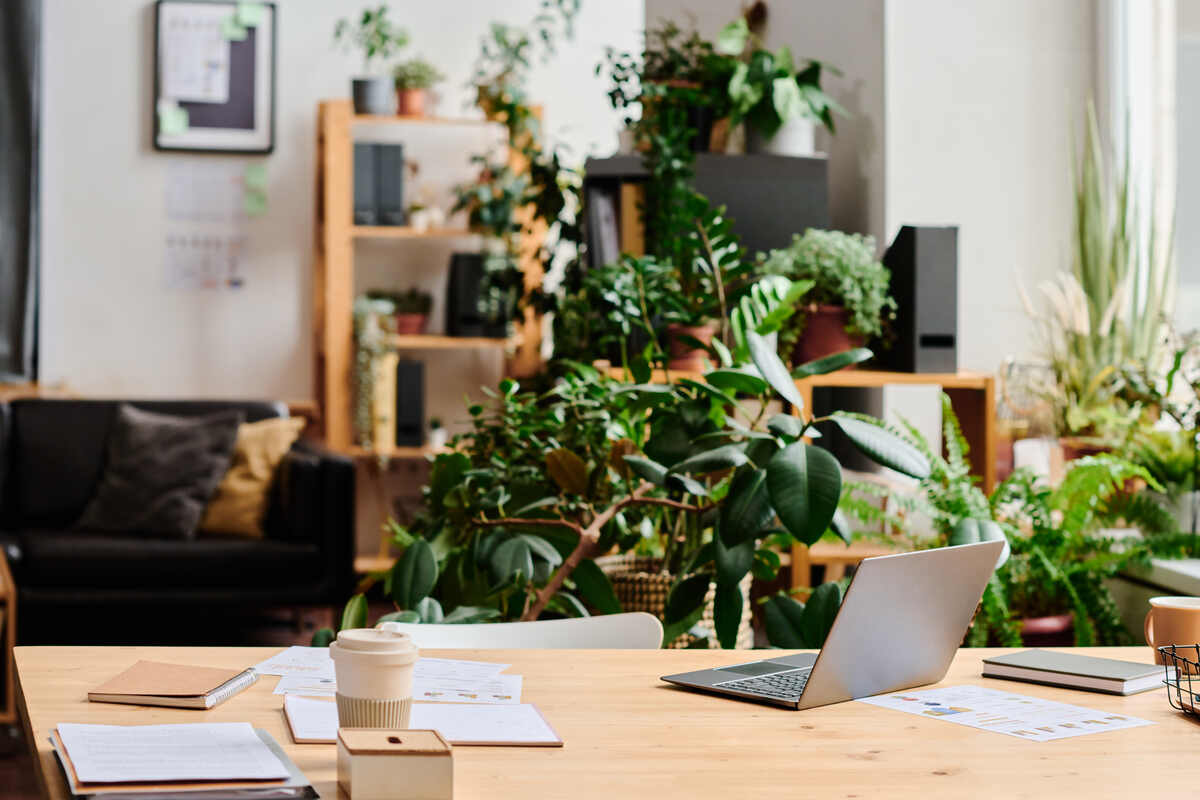
A calm environment induces high levels of efficiency. Utilizing natural products for acoustic insulation and bringing plants into the workspace creates a happier environment.
Office pods extend this principle by creating designated quiet zones that enhance employee wellbeing while reducing workplace noise. As a sustainable alternative to traditional construction, these modular spaces eliminate renovation waste and avoid structural modifications that generate debris and disrupt operations.
Apart from their soothing beauty, plants also play a helpful role in absorbing toxins in the atmosphere and improving air quality.
Sustainability for Success
Employees and other stakeholders are becoming more aware and insistent on workplaces complying with sustainability policies that embrace the move towards a healthier environment. Sustainable procurement policies, reduced carbon emission processes and employment practices that create a greener future are the pillars of success for a workplace that is committed to its environmental standards.
Read more on this topic in How to Improve Environmental Health in Your Workplace
Images from Depositphotos