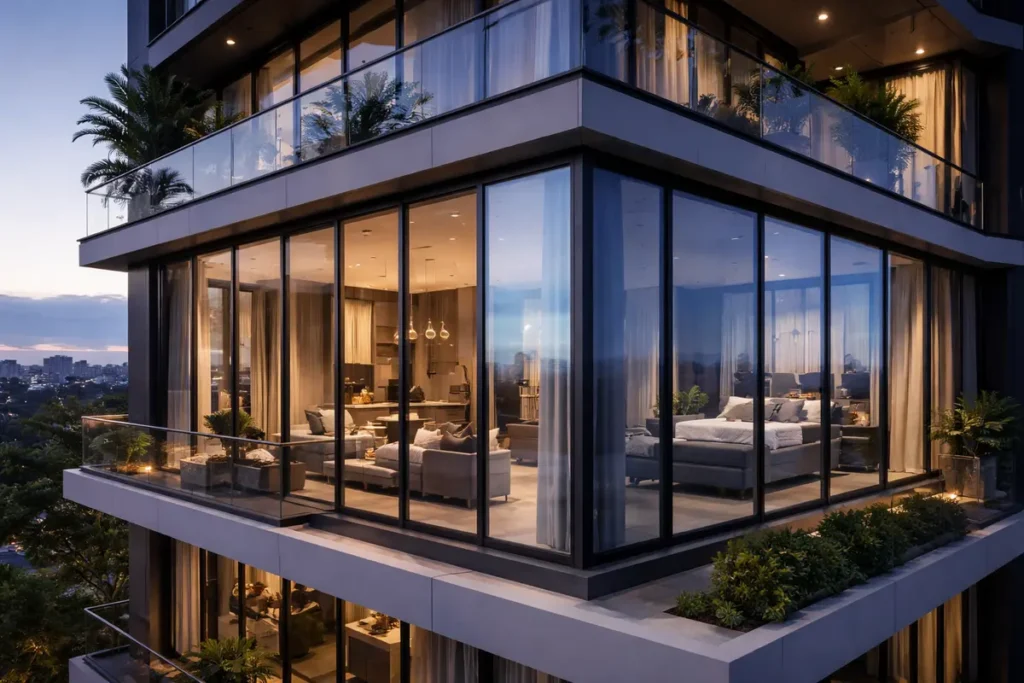
The Role of Window Technology in Home Energy Performance

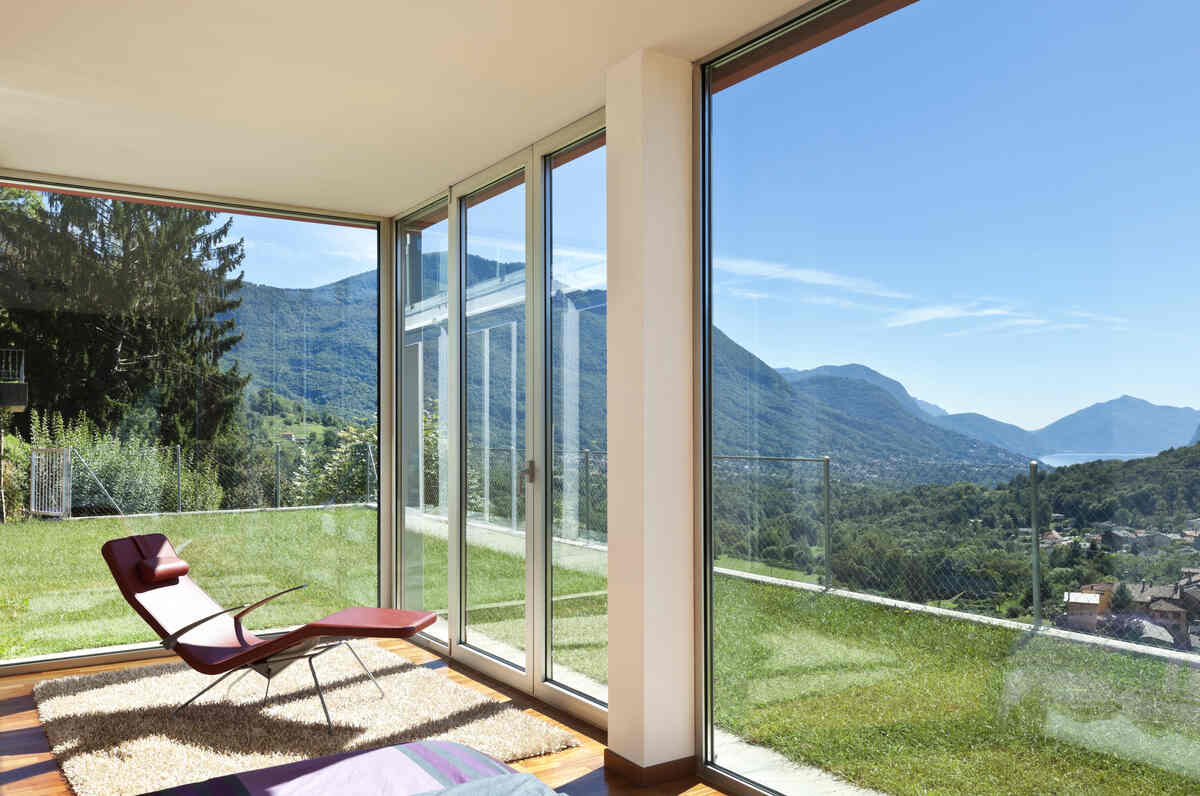
Canada’s residential sector accounts for roughly 17 percent of the country’s total energy consumption, and a significant portion of that energy escapes through outdated windows and doors. As building codes tighten and energy costs continue to climb, Canadian homeowners are paying closer attention to what sits between their living rooms and the elements outside.
The shift toward high-performance glazing is no longer limited to new construction. Replacement window technology has advanced to the point where upgrading existing homes can dramatically reduce heating and cooling loads, often delivering measurable savings within the first winter season.
The Science Behind Modern Window Performance
At the core of today’s window performance standards are two metrics that every homeowner should understand: U-factor and Solar Heat Gain Coefficient (SHGC). U-factor measures how well a window prevents heat from escaping. The lower the number, the better the insulation. SHGC measures how much solar radiation passes through the glass, which matters both for passive heating in winter and cooling load reduction in summer.
Current ENERGY STAR standards for Canadian climate zones require increasingly strict thresholds on both measurements. Zone 1 (southern Ontario, coastal British Columbia) requires a U-factor of 1.22 or lower, while Zone 3 (northern regions) demands 0.80 or lower. These are not arbitrary numbers. They reflect the reality that a poorly insulated window in a Canadian winter is basically like having a hole in the building envelope.
Triple Pane Glazing

Get the Green Building Project Checklist
Use this handy checklist on your next project to keep track of all the ways you can make your home more energy-efficient and sustainable.
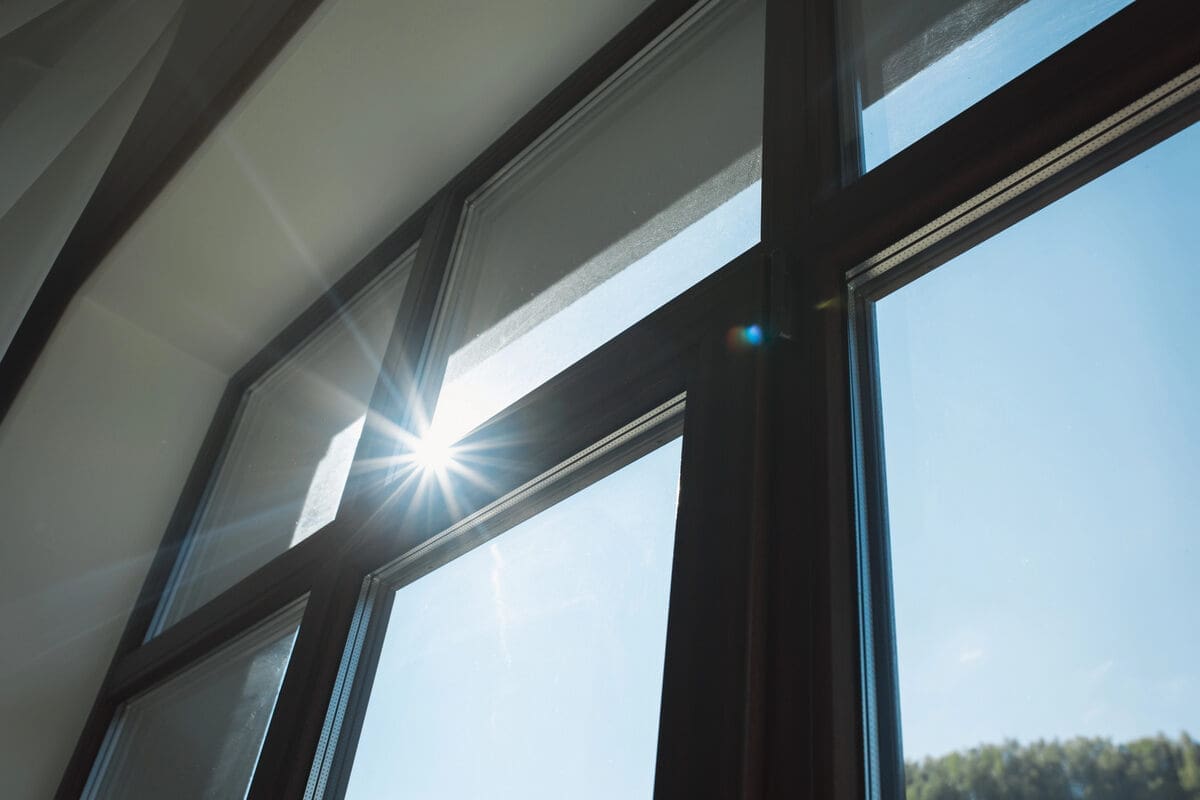
Double pane windows served Canadian homes well for decades, but triple pane configurations have become the preferred choice for serious energy upgrades. The addition of a third glass layer creates two sealed chambers that can be filled with insulating gases like argon or krypton. Combined with low-emissivity coatings, these units achieve thermal performance levels that were nearly impossible just fifteen years ago.
The argument against triple pane has traditionally been cost. However, as manufacturing techniques have matured and more Canadian producers have invested in advanced production facilities, the price gap has narrowed considerably. Some Ontario-based manufacturers now produce triple pane units using German engineering methods on automated production lines, keeping costs competitive while maintaining strict quality standards.
Read more on this topic in Triple-Pane Windows in Canada – Are They Worth It?
Material Innovation and Frame Performance
Glass technology gets most of the attention, but frame materials play an equally important role in overall window performance. Multi-chamber vinyl profiles with reinforcement now offer thermal breaks that rival the insulation value of the glazing unit itself. The best frames on the market feature five or more internal air chambers that interrupt heat transfer paths.
Frame performance is especially critical in Canada, where the temperature differential between indoor and outdoor environments can exceed 50 degrees Celsius during winter cold snaps. A window with excellent glass but a thermally conductive frame will develop condensation, frost patterns and energy loss at the edges, exactly where the frame meets the glazing.
What Homeowners Should Evaluate
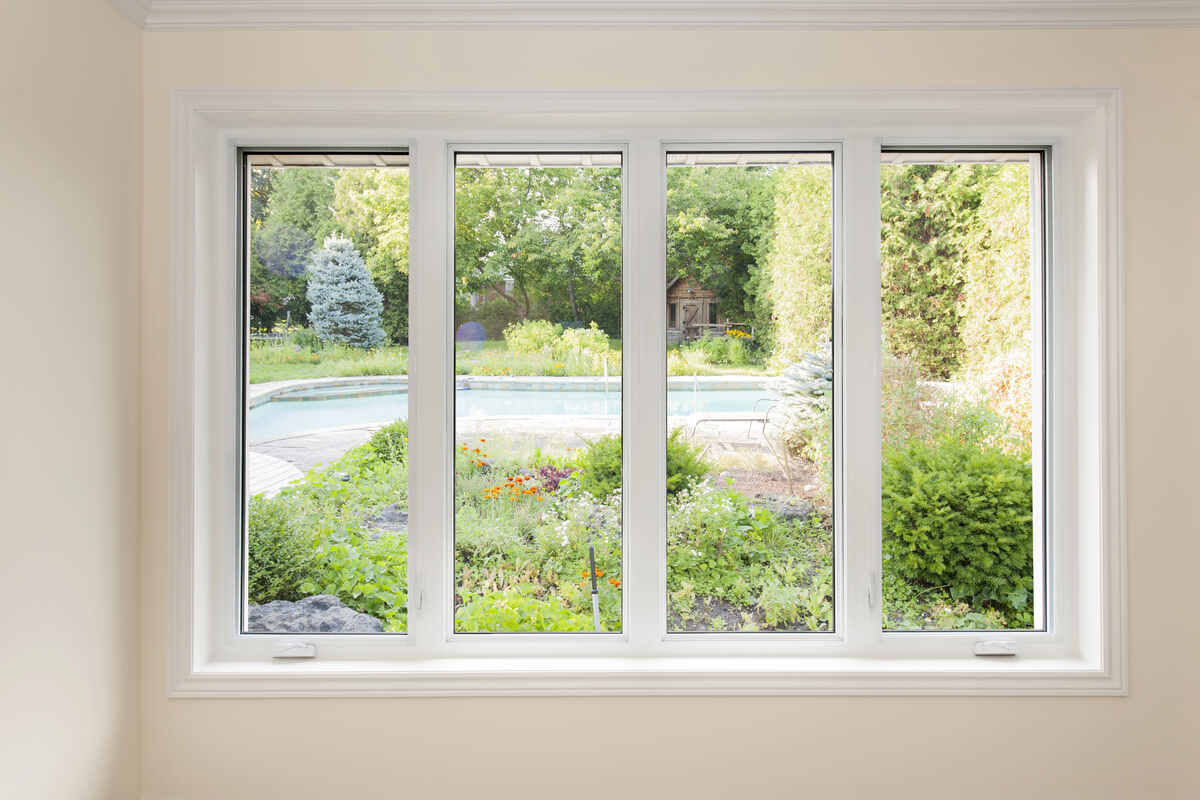
For homeowners planning a window upgrade, several factors deserve attention beyond the basic price quote. Look for ENERGY STAR certification specific to your climate zone, not just the generic label. Ask about the full window U-factor (not just the centre-of-glass value, which is always better than the overall number). Understand the warranty terms, particularly whether they cover seal failure on insulated glass units.
Manufacturers that operate their own production facilities tend to offer more consistent quality and longer warranty coverage than companies that source from third-party fabricators. Local production also means faster turnaround and the ability to produce custom sizes without extended delays. For a deeper look at how efficiency ratings, glazing options and frame technology work together, this comprehensive resource on energy-efficient windows for Ontario homes covers the technical details worth reviewing before making a purchase decision.
The Bigger Picture
Federal and provincial incentive programs continue to reward homeowners who invest in energy-efficient upgrades. Various government and utility programs can offset a meaningful portion of the upfront cost. Visit our Incentive Finder to find a program that is right for you. When combined with reduced monthly energy bills, the payback period on high-performance windows often falls well within the expected lifespan of the product.
As Canada works toward its emissions reduction targets, the residential building envelope remains one of the most practical areas for improvement. Better windows are not a silver bullet, but they are one of the most impactful single upgrades a homeowner can make. The technology is here, the manufacturing capacity is growing and the financial case has never been stronger.
Images from Depositphotos