
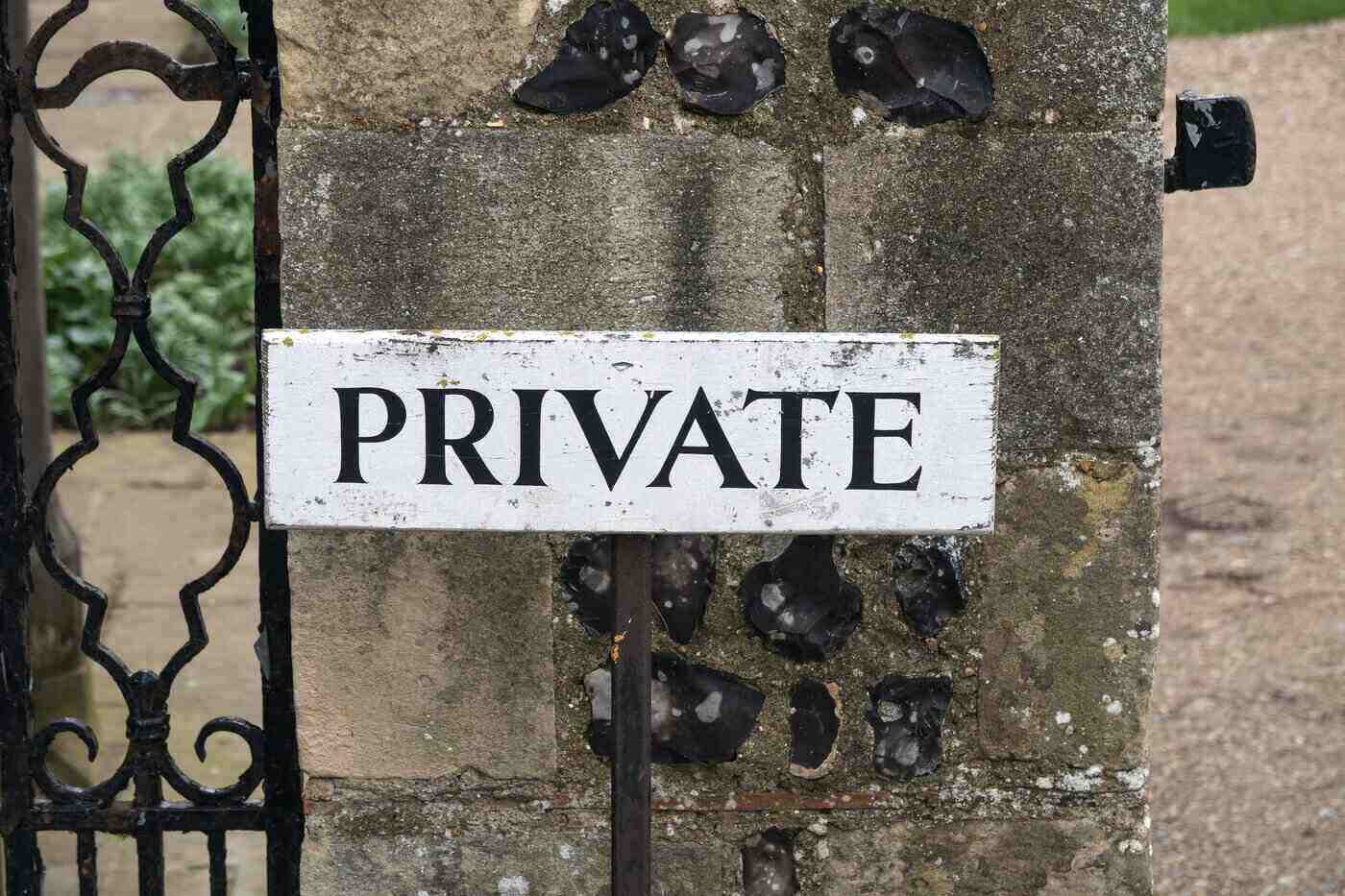
In the vast landscape of property law, few concepts carry as much weight and complexity as easements. Easements, often considered the unsung heroes or silent burdens of land ownership, are fundamental legal instruments that shape how land is used, accessed, and enjoyed. From granting neighbours access to their property to allowing utility companies to install infrastructure, easements play a pivotal role in defining property rights and obligations.
1. What Is an Easement?
An easement is a legal right that allows someone else to use part of another person’s land for a specific purpose, typically without transferring ownership of the land. Affirmative easements authorize people to use your property in some ways, while negative easements restrict you from changing certain elements of your land.
Easements can allow municipalities, utility companies, neighbours or even the general public to use a part of your land or property. For example, you have to let utility companies do periodic check-ups on pipes, cables and other systems, and then complete essential repairs or maintenance. Here are some examples of easements:
Right of way – This type of easement grants someone the right to pass through a property owned by another person. It could be for pedestrian access, vehicle access, or for utilities like power lines or pipelines.
Utility easement – Utility companies often hold easements allowing them access to install, maintain, and repair their infrastructure on private property. This might include electric, water, gas, or sewer lines.
Conservation easement – These easements are typically held by government agencies or nonprofit organizations and are used to protect natural resources, wildlife habitats, or scenic landscapes by limiting development or certain activities on the property.
Drainage easement – This type of easement allows for the flow of water across one property to another, typically to prevent flooding or manage stormwater runoff.
Get the Green Building Project Checklist
Use this handy checklist on your next project to keep track of all the ways you can make your home more energy-efficient and sustainable.
2. How Are Easements Created?
Easements are typically included as part of the property deed. An express easement will be signed and have the names of the people issuing and benefiting from it. Elissa Suh of Policygenius explains that undocumented easements that have not been agreed upon by both parties can arise in other ways:
By necessity – Driveways are a good example of how and why an easement by necessity can be created. Properties on which people need to access a driveway located on one property in order to reach their own often come with driveway easements. Due to the necessity of use in these cases, easements can arise accordingly.
By implication – When a property that has an easement is split up and sold to various owners, these parcels of land will automatically come with implied easements from pre-existing use.
By prescription – If your neighbour keeps illegally using your property (intentionally or not) and you don’t do anything to prevent them, a court will view this as a sign of concession and grant the neighbour the right to legally use your land in the manner that they have been doing up to that point.
3. The Different Types of Easements

Suh says that aside from using affirmative/negative and public/private as different methods to categorize easements, they are commonly classified in the following way:
Easement in gross – Allows the easement holders to have access to one parcel of land for specific purposes such as checking up on utilities. This type of easement stays with the easement holders and cannot be passed or transferred to anybody else. In the case of utility easements, it is common that different utility companies can commercially transfer the easement to others to service the area if needed.
Easement appurtenant – Involves 2 parcels of land: the dominant estate (that benefits from the easement) and the servient estate (that has to forfeit something because of the easement). This type of easement is common when you live in a residential community where people cross your property (the servient estate) to enter a public place (the dominant estate). The easement is attached to your property and its owner, and your neighbours can use it as permission to cross your land.
Prescriptive easement – can be both of the above mentioned. This is the type of easement that can be created when, for example, your neighbour has been using your property illegally and you haven’t tried to stop them.
4. How to Avoid an Easement
Home buyers have the right to know about easements on the property, and the information must be correctly presented by sellers. If the thought of an easement troubles you, you can find out more about the easements on any property you intend to buy with the help of an estate lawyer.
If you want to avoid a prescriptive easement, Suh advises, look after your property and ensure that the neighbours are not using your land without your permission.
If you notice any sign of encroachment, be proactive to prevent such events from happening again. You could contact the police or get a lawyer, but if you want to take a milder approach, Suh suggests giving your neighbour written permission to use a part of the property. Already having written permission makes it harder for someone to file for a prescriptive easement.
5. Ways to Remove an Easement from Your Property
If you decide to remove an easement, contact the Land Registrar to get it done. If you’re the one who created the easement and registered it on the property deed, terminating it will be straightforward.
If your property falls in the category of the servient estate, you can try to persuade the owner of the dominant estate to give up the easement. Some easements have expiration dates, and if that date is not too far away, you might be further ahead to just let it run out.
Easements on the property might seem very confusing at first, but once you do your research they become a lot clearer. Easements can negatively or positively impact your property, which is why you should always take a good look at the deeds before buying a house. For more details, consult your real estate agent or an attorney to answer any questions you have before signing on the dotted line.
Feature image: Taken; Image 1: Paul Kapischka