How Much Does Water Well Drilling Cost in Canada
Average Drilling, Maintenance and Additional Costs With Regional Variations

Published:
Our local golf course has a couple of wells: one with fantastic water quality and the other with high iron count causing limited use of the water. Quality is not always a guarantee with wells (or finding water at all).
Regardless, they are a wonderful thing. They give you self-sufficiency in one of life’s most important resources. They do come at a hefty cost though, which we’ll be exploring here.
The Average Well Drilling Cost in Canada
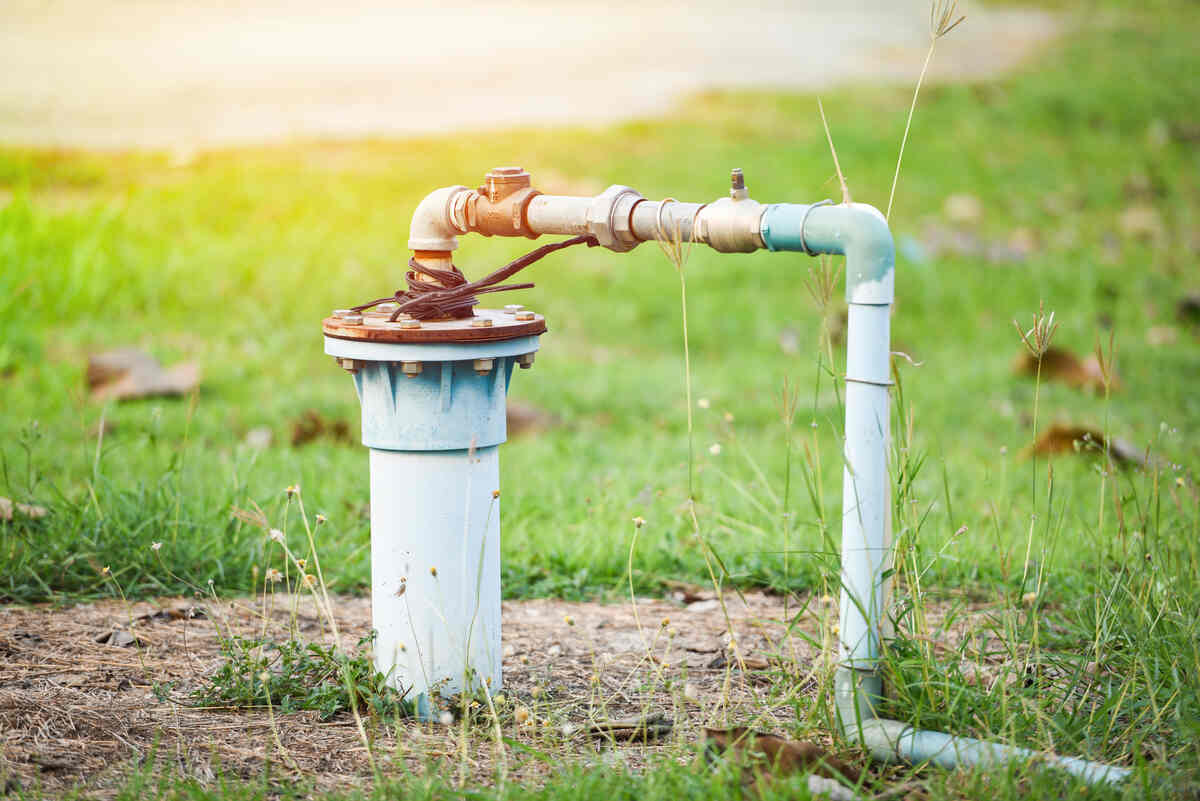
So, how much does it cost to drill a water well in Canada? Well, the national average price for a well is between $9,000 and $30,000. The average per foot drilling cost runs between $70 and $150. So why such a large variation? There are a quite a few factors – the depth needed to drill being the biggest, but geology of the land, location and local demand also play a large role.
A hydrogeological survey will go some way in assessing the availability and possible quality of the water before drilling commences. Still, well-drilling costs will always be difficult to pinpoint until, and hopefully, a strong flow of clean, quality water is achieved.

Get the Green Building Project Checklist
Use this handy checklist on your next project to keep track of all the ways you can make your home more energy-efficient and sustainable.
Here’s a larger list of factors that impact the well drilling cost that you’ll want to consider.
Depth of drilling required – The average depth can vary greatly, so trying to get this part right is crucial as it will save you
Geological conditions – Hard rock is more costly to drill through
Equipment and materials – eg. pumps, casing, screen
Well diameter required
Cost of permits
Location – If you are in a remote location and/or your land is not easily accessible, rates go up
Market conditions – Equipment is expensive and skilled drillers are in short supply so high demand can lead to price surges in some areas
Minimum charges – Some drillers have thresholds, often 100 feet minimum, which makes drilling a shallow well proportionally more expensive)
Drilling costs are calculated based on the depth required to reach water, and these costs are generally provided as a rate per foot. There are, however, several additional factors that come into play and can significantly influence the final pricing.
The type of soil or the presence of hard rock, such as granite, will require specialized equipment, which will add to the cost. Drilling through hard rock can increase the drilling price by 100 to 150 percent. Drilling through sand or gravel is easier, but a casing will be necessary to prevent the well sides from collapsing. In general most of wells drilled in Canada average between 100 and 300 feet in depth.
The location of the site is another factor that influences the price. Rugged terrain may make access for the drilling equipment problematic. You can get some idea of the probable depth needed to be drilled by doing a survey of water well depths in the area via the Groundwater Information Network (GIN). GIN is a handy platform that brings together data such as water well databases, aquifer and geology maps and water monitoring data for both provinces and territories.
Additional Costs for a Well
Getting the well drilled is only part of the project. Getting the water out in a controlled way is the second half of the equation, and that also attracts a list of costs. Here’s a breakdown of the individual costs that go into getting a well.
| Low Average | High Average | |
|---|---|---|
| Water quality testing | $50 | $650 |
| Permits | $25 | $700 |
| Electrical | $500 | $1,500 |
| Pressure tank | $400 | $2,500 |
| Well pump | $900 | $3,000 |
| Purification system | $1,500 | $7,000 |
The Well Pump
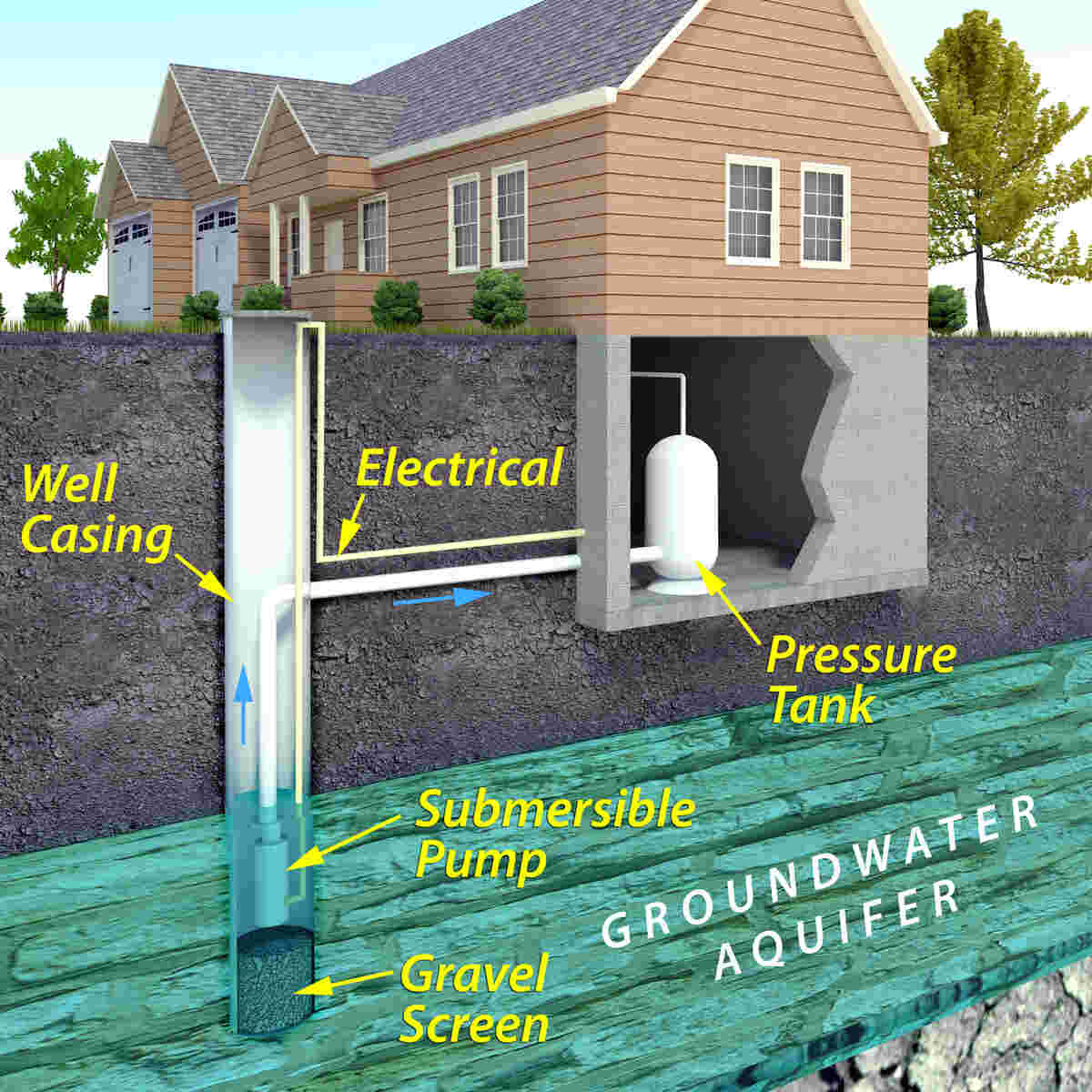
Different types of pumps are available for various applications. The depth of the well and the orientation of the pump to the storage tank play a role in indicating the type of pump required. Well pumps are expensive equipment, and the national average cost for a well pump replacement is $900 to $2,500.
Wall Casing
Sadly, the savings from drilling through sand or gravel, as opposed to hard rock, are often offset by the requirement to fit a well casing. Usually made of PVC, concrete, mild steel or stainless steel, the casing cost varies according to the depth required.
Pressure Tank
Water tanks operate under pressure to facilitate the immediate delivery of water when a faucet is opened in the home. Depending on the size and type of material used to manufacture the tank, the price can range between $400 to $2,500.
Maintenance Costs
The average annual maintenance costs vary between $150 to $350. What do you get for that price? You can expect your contractor to undertake a flow test on the pump, do a pump performance check, water quality test, pressure test and switch check.
Regional Variations in the Costs of Drilling a Water Well
To give some idea of the cost of well drilling from one province to another, the cost of drilling a well in Ontario runs on average between $9,000 and $24,000 whereas in BC it’s around $16,000 to $30,000. But since water well drilling can vary so much, even pricing within the same province can vary significantly.
Certain regions are experiencing high demand and a shortage of well drilling companies, so they may price their services high (or they many not even quote new jobs since they have an overabundance of work).
Benefits and Drawbacks of a Water Well
If you are fortunate and your water well produces great quality water at a moderate depth, then there are significant advantages compared to using water supplied by the city.
One major benefit is that, after the installation costs have been covered, only maintenance and electricity costs remain, making the water almost free. To those who value their independence, particularly a concern for those living off grid) another major benefit is the ability to be self reliant with your own water source.
Water wells can provide healthy, mineral-rich water – though that quality is dependent on correct and diligent maintenance. Some advocates of well water prefer its taste over municipal water, even going so far as to avoid using municipal water.
One of the major concerns of having your own water well is the reliance on a dependable electrical supply. Solar power and efficient battery storage can, however, step in if the electrical grid fails, but solar-powered pumps are expensive, and the requirement for batteries and panels is going to add to the cost of the water supply.
The Leap of Faith in Drilling a Water Well
Legends abound about individuals who are said to possess the gift of divining water. Historically, there must have been times when someone earned the reputation of being able to identify a spot where a well should be dug and water gushed forth.
Drill down far enough, and the odds of striking water are quite good, but the real test is the quality and quantity of the water. So, what steps can you take to minimize the risk of an expensive expedition that may have a disconcerting dry result?
Geological surveys provide detailed information about sedimentary deposits, fault lines, and rock formations, which are useful indicators. Additionally, a hydrological assessment identifies the extent of local aquifers and their depth.
Expert advice from professionals in these fields will go a long way in minimizing the risk of a dry well, but local knowledge can also play a critical role. A survey of local water wells and the quality and quantity of water they produce will provide some indication of your chances of success. You can use Groundwater Information Network for doing this research. Water wells in close proximity that produce good-quality water in sufficient volume are strong indicators that your search will yield positive results.
By all means, take advantage of every modern support mechanism to help you select the correct site for your water well – do this in conjunction with local folklore, and your best chance of success is where the two schools of thought intersect.
Images from Depositphotos