As a new homeowner, the technical jargon and myriad options available can be overwhelming. Water softener vs water conditioner confusion can cause a number of problems for homeowners, and both serve similar yet distinct purposes, with each offering its advantages depending on your water quality needs, environmental considerations, and health concerns.
From understanding the fundamental differences between softening and conditioning water to evaluating the environmental impact, maintenance requirements, and efficiency of each system, this guide will provide you with the insights you need to make an informed decision tailored to your home’s specific requirements.
What is a Water Softener and What is it Used for?
A water softener is a filtration system designed to remove or reduce hardness-causing minerals in water, such as calcium and magnesium. Hard water is a common issue in many areas, and it can cause several problems in a household or industrial setting.
These minerals in hard water can build up in pipes, water heaters, and other appliances, leading to inefficiency, increased energy costs, and premature failure of the appliances. Hard water can also make soap less effective, resulting in less lather and leaving residue on dishes, clothing, and skin.
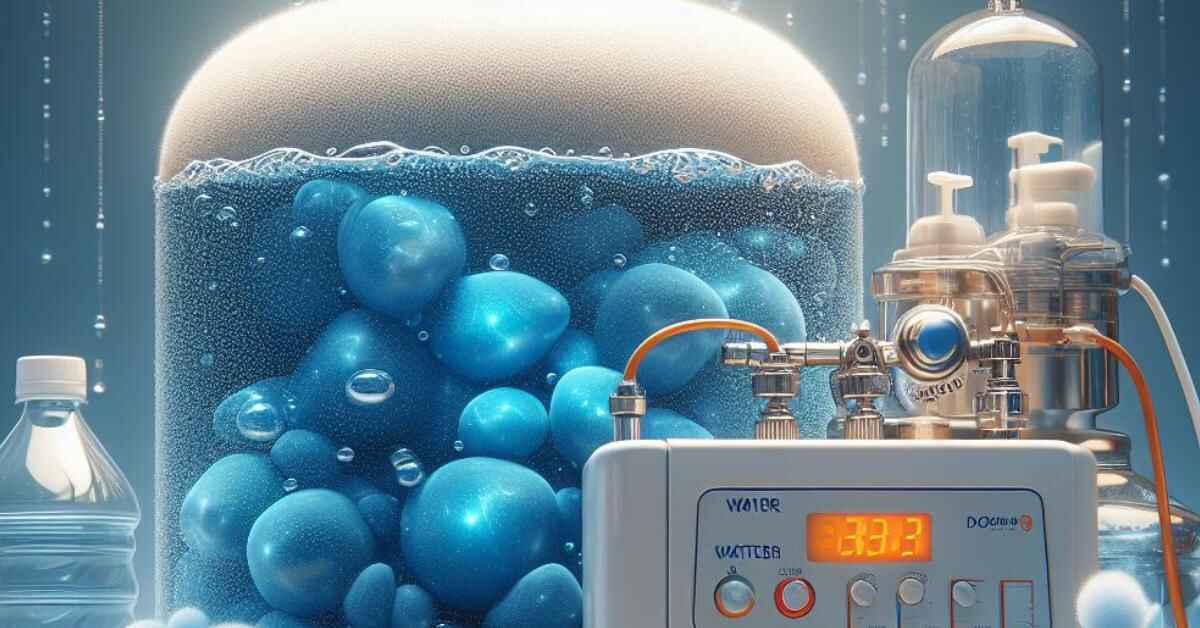
The primary method a water softener uses to treat hard water is through a process called ion exchange. In this process, the water softener contains resin beads that are charged with sodium ions (or sometimes potassium ions).
As hard water passes through the resin bed inside the softener, the calcium and magnesium ions in the water are exchanged for sodium ions. This exchange removes the hardness from the water, making it “soft.” The system periodically regenerates the resin beads by flushing them with a salt solution, which replenishes the sodium ions and disposes of the collected calcium and magnesium ions.

Get the Green Building Project Checklist
Use this handy checklist on your next project to keep track of all the ways you can make your home more energy-efficient and sustainable.
Water softeners are used in residential, commercial, and industrial settings to protect appliances, improve cleaning efficiency, and enhance the quality of water for bathing and laundering. Find out more about salt-based vs salt-free water conditioners right here.
What is a Water Conditioner and What is it Used for?
A water conditioner, on the other hand, is a broader term that can refer to various types of water treatment systems designed to improve the quality of water in different ways.
Unlike water softeners, which specifically remove hardness minerals, water conditioners may work to reduce scale build-up without removing the hardness minerals, alter the chemical structure of hardness minerals to prevent scaling, or address other water quality issues like chlorine taste, odors, and certain types of contaminants.
Types of Water Conditioners
There are several types of water conditioners worth talking about.
Salt-Free Water Conditioners
Salt-free water conditioners are designed to prevent scale buildup without the use of salt or chemicals. Instead of removing hard water minerals like calcium and magnesium, they change these minerals’ structure so they cannot form scale.
This process, known as Template Assisted Crystallization (TAC), involves transforming the minerals into a crystalline form that remains suspended in the water and passes through the system without sticking to surfaces. These systems are popular for their low maintenance and environmentally friendly approach, as they do not produce wastewater or require salt replenishment.
Magnetic and Electronic Water Conditioners
Magnetic and electronic water conditioners are non-chemical devices that claim to alter the electromagnetic properties of the minerals in hard water. By applying a magnetic or electrical field to the water supply, these devices supposedly change the behaviour of the calcium and magnesium ions so that they are less likely to adhere to pipes and appliances.
The effectiveness of these systems is widely debated among experts, with some users reporting significant benefits, while scientific studies have shown mixed results. They are valued for their ease of installation and the absence of ongoing costs like salt or chemicals.
Catalytic Media Water Conditioners
Catalytic media water conditioners use a physical media to transform calcium and magnesium ions into a stable crystalline form that won’t stick to surfaces. This process is similar to that used by salt-free systems but may involve different types of media or catalytic action to achieve the conditioning effect.
These systems are appreciated for their effectiveness in preventing scale without the need for electricity, chemicals, or salt. They are typically used in residential and commercial applications where water hardness is a concern but where sodium addition is undesirable.
Phosphate Injection Systems
Phosphate injection systems introduce small amounts of phosphates into the water supply, which serve to coat the pipes and prevent scale and corrosion. The phosphates react with the calcium and magnesium in hard water to form a microscopic protective layer on the interior surfaces of pipes and appliances.
This method is often used in industrial settings or municipal water treatment facilities to extend the lifespan of infrastructure and reduce maintenance costs. However, there are environmental concerns regarding the release of phosphates into the water system, as they can contribute to algae blooms and other ecological issues in water bodies.
Reverse Osmosis (RO) Systems
While not typically classified as water conditioners in the traditional sense, Reverse Osmosis (RO) systems can effectively reduce the hardness of water along with a wide range of other contaminants, such as chlorine, lead, and various organic compounds. RO systems work by forcing water through a semi-permeable membrane that removes impurities.
The process is highly effective but produces a significant amount of wastewater and requires periodic replacement of the membrane and filters. RO systems are particularly beneficial for improving the taste and quality of drinking water and are commonly used in both residential and commercial settings.
Water Softener vs Water Conditioner: The Differences
Water softeners and water conditioners address water quality issues, but they do so in fundamentally different ways, targeting different problems.
Purpose and Function
The primary function of a water softener is to remove hardness minerals from the water, specifically calcium and magnesium, through a process called ion exchange. This process replaces hardness minerals with sodium (or potassium) ions, effectively softening the water.
Water conditioners, on the other hand, generally do not remove hardness minerals. Instead, they condition the water to minimize the effects of hardness, such as scale buildup and interaction with soaps.
The term “water conditioner” can refer to a variety of systems that work differently, including those that alter the physical characteristics of the minerals to prevent scaling, or add substances to the water to inhibit corrosion and scale.
Chemical vs. Physical Treatment
Water softeners use a chemical process (ion exchange) to physically remove hardness minerals from the water. This requires the use of salt (sodium chloride or potassium chloride) to regenerate the ion exchange media.
Water conditioners, depending on the type, may use physical processes (such as magnetic, catalytic, or electronic treatment) or chemical processes (such as the addition of polyphosphates) to change the behaviour of hardness minerals or to treat the water in other ways. They do not remove the minerals but may prevent them from causing scale or reacting negatively.
Maintenance and Environmental Impact
Water softeners require regular maintenance, including refilling the salt used in the regeneration process and occasionally cleaning the resin tank. They also produce brine wastewater during regeneration, which can have environmental implications due to the high salt content.
Water conditioners often require less maintenance than traditional water softeners, especially those that operate without salt or chemicals. Magnetic, electronic, and TAC-based systems, for example, do not require ongoing consumables or produce wastewater, making them more environmentally friendly in some respects.
Effectiveness and Applications
Water softeners are very effective at removing hardness from water, making them ideal for applications where soft water is desired for reasons such as reducing soap usage, preventing scale in water heaters, and improving skin and hair condition.
The effectiveness of water conditioners can vary widely depending on the type and the specific water quality issues being addressed. They can be effective in preventing scale buildup and protecting appliances but may not provide the same “soft water” feel or all the benefits of a water softener.
Health and Safety Considerations
Because water softeners add sodium to the water, there can be health considerations for individuals on low-sodium diets. Alternative salts like potassium chloride are available but more expensive.
Water conditioners do not add sodium or other chemicals to the water, making them a preferable option for those concerned about sodium intake. However, the effectiveness and specific health implications can vary based on the type of conditioner and its mechanism of action.
How to Choose Between a Water Softener and Water Conditioner
Choosing between a water softener and a water conditioner depends on your specific water quality needs, preferences regarding maintenance and environmental impact, and the specific water issues you’re facing. Here’s how you can make an informed decision.
Identify Your Water Problems
If your primary issue is water hardness, causing scale buildup in pipes and appliances, a water softener is typically the most effective solution as it physically removes calcium and magnesium ions from the water.
If you’re dealing with a variety of water quality issues besides hardness, such as chlorine or chloramines taste, sediment, or specific contaminants, a water conditioner or a specific type of filtration system might be more suitable.
Consider Environmental and Health Impacts
Water softeners use salt, which can have environmental impacts due to the discharge of brine into the waste stream. If you’re looking for a more environmentally friendly option, a salt-free water conditioner might be preferable.
Water softeners add sodium to the water, which might be a concern for individuals on a low-sodium diet. In contrast, most water conditioners do not add sodium to the water.
Maintenance Requirements
Water Softeners require regular maintenance, including replenishing the salt used in the ion-exchange process and occasionally cleaning the resin tank.
Water Conditioners, depending on the type, may require less maintenance. For example, salt-free conditioners and magnetic or electronic descalers typically have lower maintenance needs.
Efficiency and Cost
Water softeners can be more expensive initially and have ongoing costs for salt and water (due to regeneration). Water conditioners can vary widely in price depending on the type, but many have lower ongoing costs.
Consider if water efficiency is a priority. Traditional water softeners use water to regenerate the resin beads, while many water conditioners do not use additional water.
Regulatory Considerations
Some areas have restrictions on salt-based water softeners due to their environmental impact. Check your local regulations to see if this affects your choice.
Effectiveness for Your Needs
If preventing scale buildup is your only concern, a water conditioner may suffice. However, if you need to remove existing scale and soften the water, a traditional water softener might be necessary.
Consult with Experts
Before making a decision, it’s beneficial to get your water tested to understand exactly what issues need to be addressed. Consulting with water treatment professionals can also provide valuable insights into the most effective solutions for your specific situation.
By weighing these factors against your household’s water usage, budget, and specific water quality needs, you can choose the system that best fits your requirements, ensuring that you have access to high-quality water in your home.
Conclusion
As you can see, there are some fundamental differences between water softeners and conditioners. Now that you know what they are, you can make an informed decision between them.