

Ever glanced at your water bill and thought, “There’s got to be a better way”? In Canada, the average person used about 223 litres of water per day at home in 2021. That total covers showers, taps, toilets, laundry and garden watering.
The good news is that swapping in smarter fixtures and adopting a few simple habits can shave significant litres off your monthly use – without feeling like you’re living in the desert. Here are the top five water-saving fixtures.
1. Toilets That Trim the Flush
Toilets are often at the top of the charts for water use. If your toilet dates back over a decade, it might guzzle 13–20 litres per flush. Modern low-flow or dual-flush models typically use around 4.8–6 litres for solids and about 3 litres for liquids.
In practice, you won’t lose flushing power: improved bowl shapes and valve designs handle waste effectively while using far less water.
Think of a household of four: if each person flushes five times daily, cutting 8–10 litres per flush can save 200 litres every day. Many Canadian municipalities offer rebates or credits for installing efficient toilets, helping recover part of the purchase cost.
After installation, listen for slow refills or phantom flushes – checking the flapper seal or adjusting the fill valve can stop hidden drips that waste water over time.
2. Showerheads That Feel Good on Your Skin and Wallet

Get the Green Building Project Checklist
Use this handy checklist on your next project to keep track of all the ways you can make your home more energy-efficient and sustainable.

Showers are daily rituals, but a typical older shower head might run at 12–15 litres per minute. High-efficiency versions cut that to around 7.5 litres per minute or less, using aerating or laminar-flow tech to keep the spray satisfying.
That means a five-minute rinse may use 40 litres instead of 75. Over months, those savings add up – and your water heater works less hard, trimming energy use too.
Swapping a showerhead is a one-person, DIY-friendly job: unscrew the old head, clean the threads, add plumber’s tape if needed, and screw on the new unit. If mineral deposits show up, there are plumbing maintenance hacks to solve that – try a brief soak in vinegar as it will usually clears spray holes. Encourage family members to aim for shorter showers or install a timer to make it a fun challenge: “Can you beat yesterday’s time?”
3. Energy Star Laundry and Dishwashing Appliances
Laundry and dishwashing happen behind the scenes but can use large volumes of water. Older top-load washers might gulp over 100 litres per cycle; modern front-load, Energy Star-certified machines often use 50 litres or less.
Efficient dishwashers may run under 15 litres per cycle, whereas handwashing under a running tap can exceed that easily.
When shopping, check the spec sheet for litres per cycle or annual estimated consumption. In many provinces, utility rebates help offset the higher upfront cost.
Beyond the purchase, run full loads when practical, choose eco or quick cycles for lightly soiled loads and skip pre-rinsing dishes under running water – just scrape off scraps and trust the machine.
Periodically inspect hoses for wear or leaks (a key plumbing maintenance hack) and clean filters or lint traps per the manual to maintain efficiency and avoid water loss from malfunctions. Over a machine’s lifespan, reduced water and energy bills often justify the initial expense.
4. Faucet Aerators: Small Screens, Big Difference
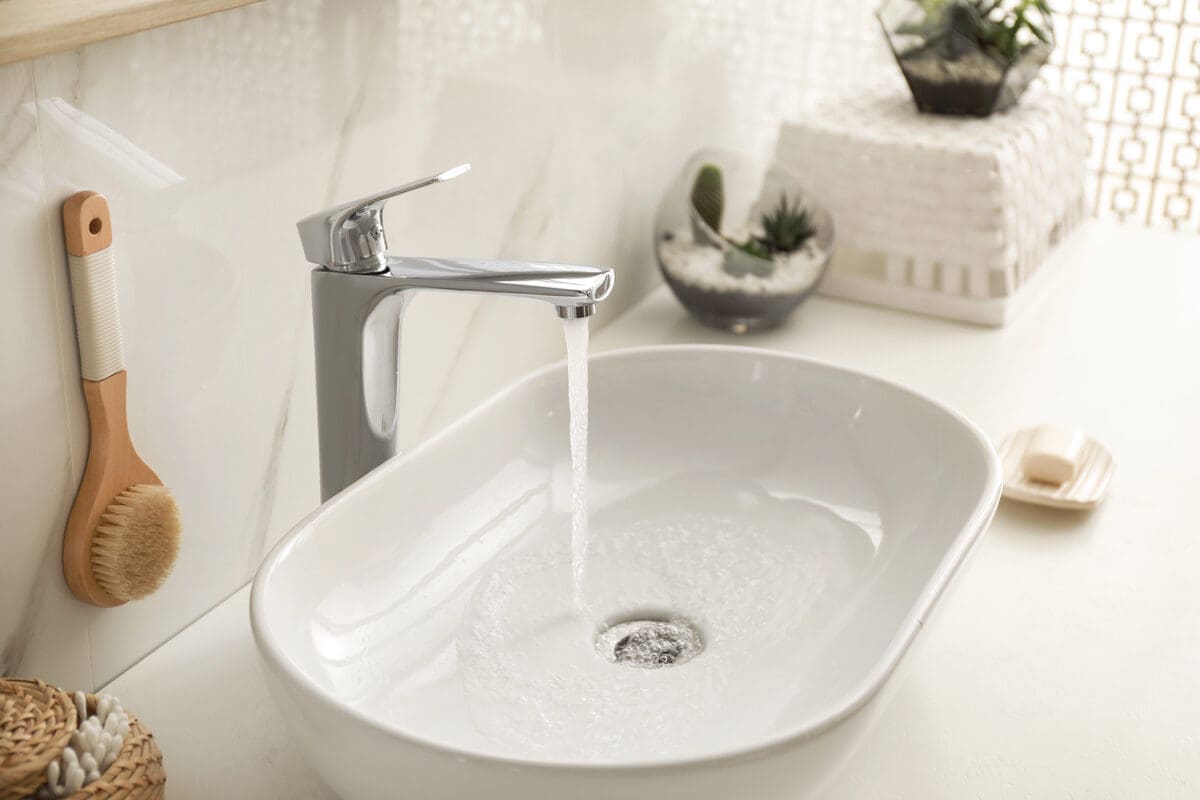
Taps run for hand washing, dishwashing, cooking and more. Installing faucet aerators is among the cheapest, most impactful upgrades: these little inserts mix air into water streams, cutting flow to about 5.7 litres per minute versus 8–12 litres, yet still feel robust for everyday tasks.
Over weeks, the reduction becomes noticeable without altering daily routines.
Aerators come in various sizes – check that they match your faucet threads. Every few months, twist them off to rinse out debris or mineral buildup; this easy plumbing maintenance hack prevents clogging and hidden drips.
In busy households, the cumulative savings can be several cubic metres of water annually, and you barely notice the slight change in flow.
5. Smart Irrigation Controllers and Rain Sensors
Outdoor watering during warmer months can rival indoor use. Traditional timers may water lawns even after rain, wasting precious litres. Smart controllers adjust schedules based on local weather forecasts, soil moisture readings or recent rainfall, preventing unnecessary cycles.
Rain sensors directly detect precipitation and pause irrigation when it’s not needed. The result: a healthier yard with far less water.
Installation varies: you might mount a rain sensor in a representative spot and link it to your existing controller, or upgrade to a controller with built-in weather-based scheduling. Many offer smartphone apps so you can review watering patterns and tweak settings on the go.
At seasonal start-up, inspect valves and sprinkler heads: clear any clogged nozzles and realign heads so water lands on plants, not sidewalks.
Homeowners often report 20–40 percent outdoor water savings after switching to smart controls, which shows up as lower bills and greener landscaping.
Habits and Monitoring: Multiply the Impact
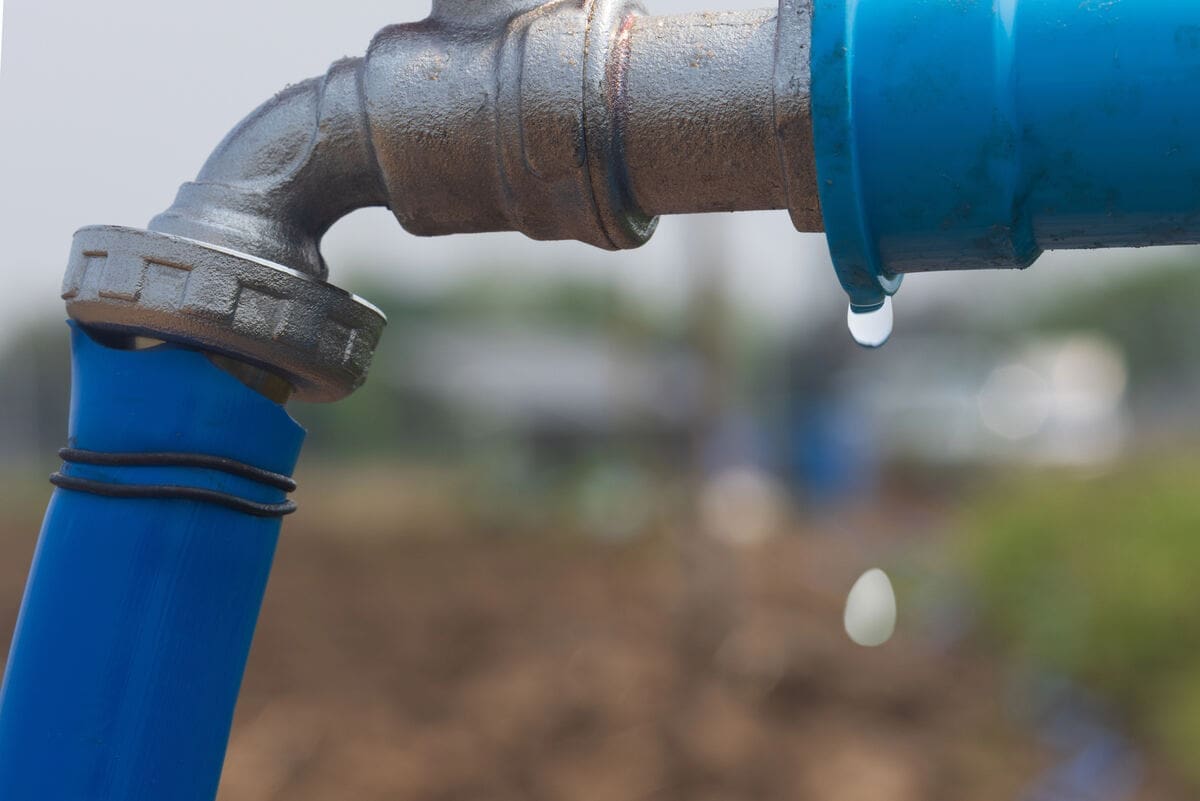
Fixtures do a lot of heavy lifting, but habits amplify savings. Encourage shorter showers, turn off taps while brushing teeth or lathering hands, and run washers or dishwashers only with full loads. A friendly prompt – like a note by the sink – can nudge everyone to pause before letting water run.
Watch your water meter before and after upgrades for tangible proof. Many utilities offer online portals with daily or monthly usage data; seeing a dip after installing efficient fixtures motivates continued good practice.
Keep a brief log: note installation dates, maintenance tasks (cleaning aerators, inspecting hoses), and seasonal irrigation tweaks. If savings aren’t as high as expected, revisit behaviours or check fixtures for leaks or buildup.
Benefits Beyond Your Bill
Upfront costs vary – from a few dollars for aerators to a few hundred for toilets or appliances – but lower water and energy bills start immediately. Government and utility rebate programs can shorten payback periods.
Beyond personal savings, reduced household demand eases strain on municipal treatment systems, supports drought resilience and aligns with sustainability goals.
In areas facing restrictions or variable rainfall, efficient fixtures and habits provide peace of mind. Plus, there’s satisfaction in contributing to broader environmental stewardship.
Tips for a Smooth Journey
Investigate incentives – Before buying, look into rebates or credits from your utility or municipality for low-flow fixtures, Energy Star appliances or smart irrigation devices. Have a look at our Incentive Finder to find a program in your area.
Check compatibility – Verify flow rates (litres per minute or flush volumes) and ensure new fixtures fit your plumbing setup. For toilets, confirm rough-in dimensions; for aerators and showerheads, check thread standards.
Plan installations wisely – Aerator or shower head swaps are an easy DIY; larger jobs – like toilet replacement, appliance hookups or irrigation controller setup – may benefit from a qualified plumber or irrigation specialist. Proper installation avoids leaks and performance hiccups.
Adopt maintenance routines – Clean aerator screens and shower head nozzles every few months, inspect appliance hoses, test toilet seals, and check sprinkler heads seasonally. Regular small efforts prevent hidden waste.
Engage everyone at home – Share water-saving goals with family or housemates. Simple prompts (e.g., “Let’s aim for five-minute showers this week”) turn it into a collective project.
Monitor and adjust – Track your water meter or utility portal data. If usage doesn’t drop as expected, revisit habits or inspect fixtures for issues.
Cutting back on water at home doesn’t mean you have to live like you’re in a desert. Think of swapping in a few smart fixtures – like low-flow toilets, efficient showerheads, aerators, Energy Star appliances and a weather-aware irrigation setup.
Snag any available rebates, glance at your meter now and then, and get everyone in the household on board. Even small changes add up: you’ll likely see your bills drop, your garden stay happier, and you’ll feel good knowing you’re using water more wisely.
Go more in depth into the topic of water saving in the Green Building Guide to Water Efficiency.