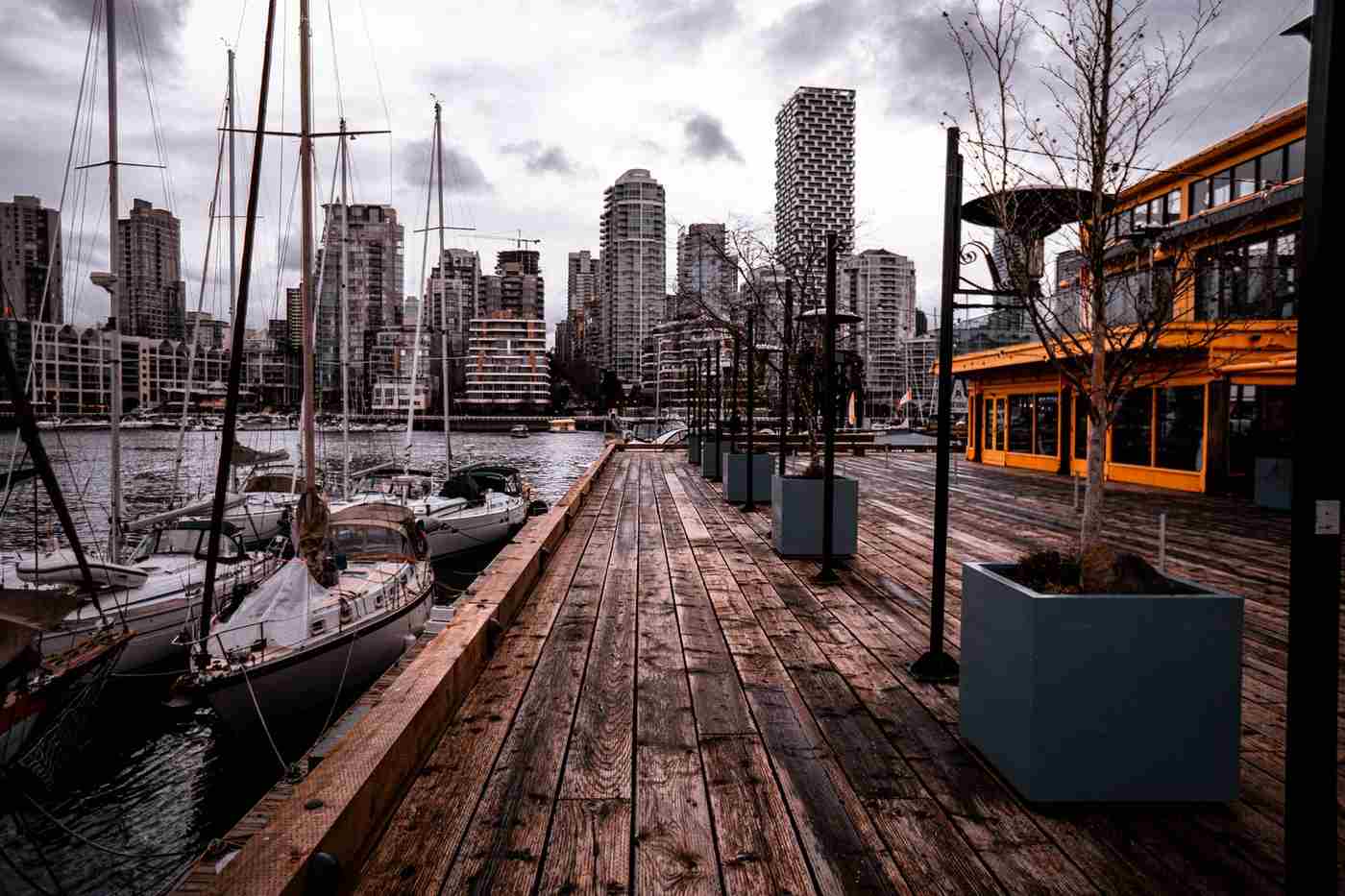
Vancouver city council has revealed a bold plan for reducing emissions associated with buildings both new and existing.
On May 17, council approved four building emissions reductions reports that make wide-ranging recommendations on reducing emissions. They also include some new and innovative changes to building bylaws that could set important precedents for other Canadian cities looking to meet climate targets.
Perhaps most notably, the council has set limits on embodied carbon in new buildings and on GHG emissions in existing large commercial and multifamily buildings, both firsts for a Canadian city.
Reducing Embodied Carbon
Vancouver plans to “[i]introduce the first whole-building embodied carbon building by-law requirements in North America,” which it hopes will reduce embodied carbon from new buildings by 40% (compared to 2018 levels) by 2030.
While Embodied Carbon Guidelines are still being developed, the report specifies that there will be requirements both for reporting and for responsible materials.
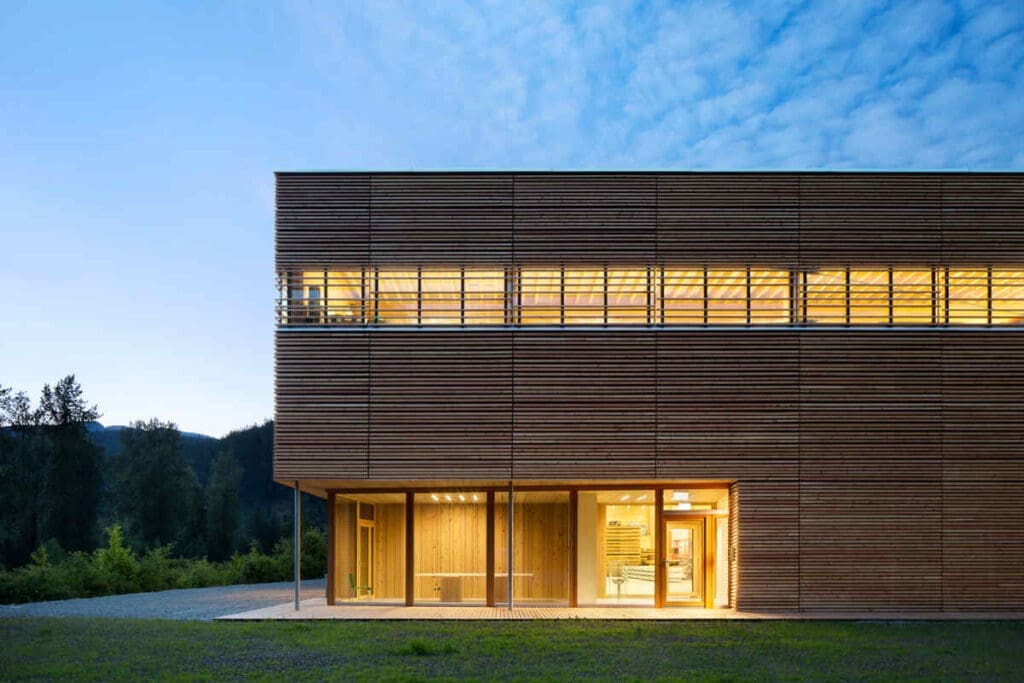
Under the plan, builders could shift to low-carbon building materials such as mass timber and lower-carbon concrete, but could also adopt more sustainable construction practices in order to stay under the cap.
Practices such as reusing building materials, repurposing existing buildings, designing for disassembly and powering construction sites with renewables could all form part of the picture.
Get the Green Building Project Checklist
Use this handy checklist on your next project to keep track of all the ways you can make your home more energy-efficient and sustainable.
Carbon Pollution Limits
City council went further in its bid to reduce emissions associated with existing buildings by adopting recommendations to introduce “carbon pollution limits on the largest office and retail buildings in Vancouver.”
According to this report, “office and retail buildings larger than 9,290 m² (100,000 ft²)” will need to keep their yearly emissions below a “GHG intensity limit.” The limit, which will come into effect in 2026, “will be based on the amount of natural gas and district energy used per unit of floor area multiplied by the carbon pollution impacts of those energy sources.”
Building owners and operators will need to start reporting their energy use data in 2024. The city expects the limits will impact Vancouver’s lowest performing buildings.
The report acknowledges that since limits of these kinds are “new for Canada and the Vancouver market,” they’re likely to develop as things go. The city plans to support building owners with resources and simplified permitting processes for retrofits.
Mayor Kennedy Stewart says of the council’s adoption of the reports:
“The latest Intergovernmental Panel on Climate Change report states it is ‘now or never,’ to avoid the worst of climate breakdown. Vancouver has the tools and ability to act. Yesterday, we did just that by taking meaningful action to reduce emissions from buildings, while making them more climate-resilient.”
All four reports can be found here.
Image credit: Oliver King