
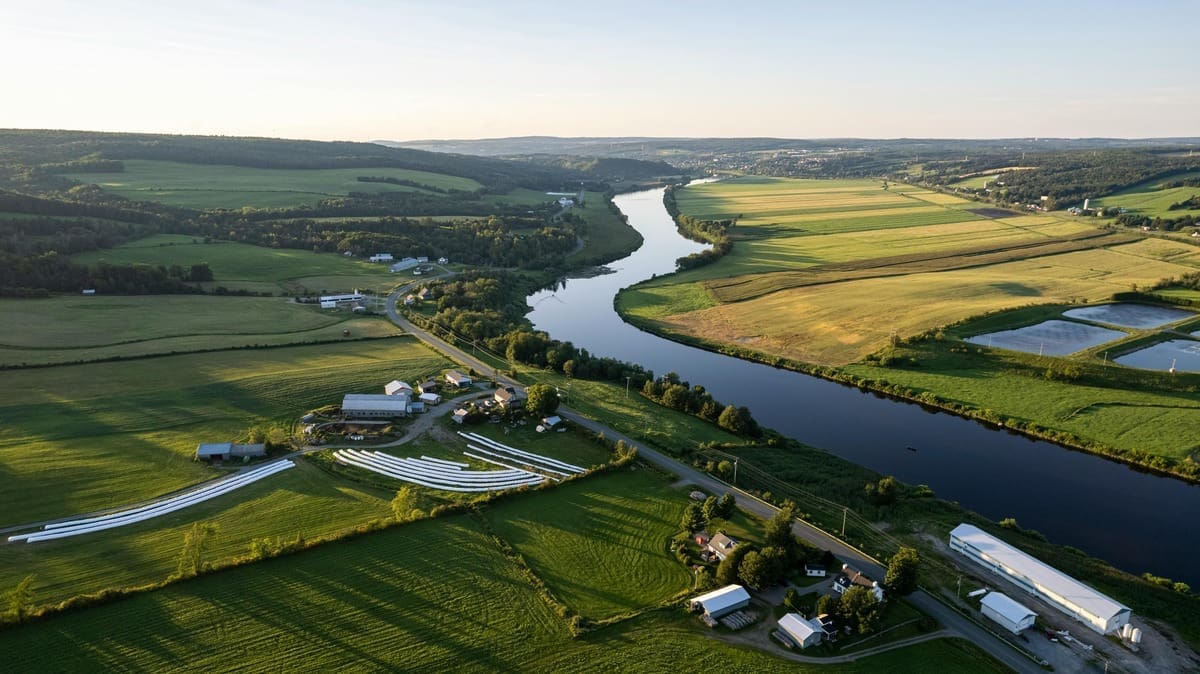
Where you live shapes more than your daily routine – it can have a sizeable impact on the environment. Cities offer convenience, with public transit and more options for smaller homes that use less energy. Rural areas, on the other hand, provide open space and independence but tend to require more fuel and long commutes.
Each lifestyle has trade-offs that can shrink or expand your environmental footprint. So before making a move, it’s worth considering how your choice will affect your life and the world around you.
Given Canada’s massive size, there are plenty of places to move and those options are even greater if you’re open to making a long-distance move. One of the biggest deciding factors that can narrow down how and where you want to live is deciding between urban and rural. In this article we take a look at the environmental impact of urban vs rural living in Canada across seven different categories to give you an idea of what you can expect.
Energy Use
There are differences in energy consumption between urban vs. rural living. Cities are more efficient because apartments and condos share walls, reducing heating and cooling needs.
Many urban buildings use centralized heating systems, which waste less energy than individual furnaces. High-density living also means fewer resources are required per person, lowering overall energy use.
Rural homes are often larger and spread out, leading to higher energy demand. Heating costs can be steep, especially in winter, with many homes relying on oil, propane or wood-burning stoves. This is particularly a problem in the territories and the Atlantic provinces where there’s a greater reliance on these highly polluting energy sources.
Rural properties may also need wells and septic systems, increasing electricity use. While some rural homeowners invest in solar or wind power, off-grid living isn’t always efficient. The extra space in rural areas provides comfort but often comes with a higher environmental cost.

Get the Green Building Project Checklist
Use this handy checklist on your next project to keep track of all the ways you can make your home more energy-efficient and sustainable.
Energy Usage by Province and Type
| Province | Electricity (%) | Natural Gas (%) | Heating Oil (%) | Wood (%) |
|---|---|---|---|---|
| Newfoundland and Labrador | 78 | — | 22 | — |
| Prince Edward Island | 37 | — | 63 | — |
| Nova Scotia | 35 | 1 | 47 | 12 |
| New Brunswick | 60 | 2 | 14 | 16 |
| Quebec | 92 | 6 | 2 | — |
| Ontario | 31 | 67 | 4 | — |
| Manitoba | 49 | 51 | — | — |
| Saskatchewan | 28 | 72 | — | — |
| Alberta | 17 | 79 | — | — |
| British Columbia | 39 | 58 | 3 | — |
Transportation
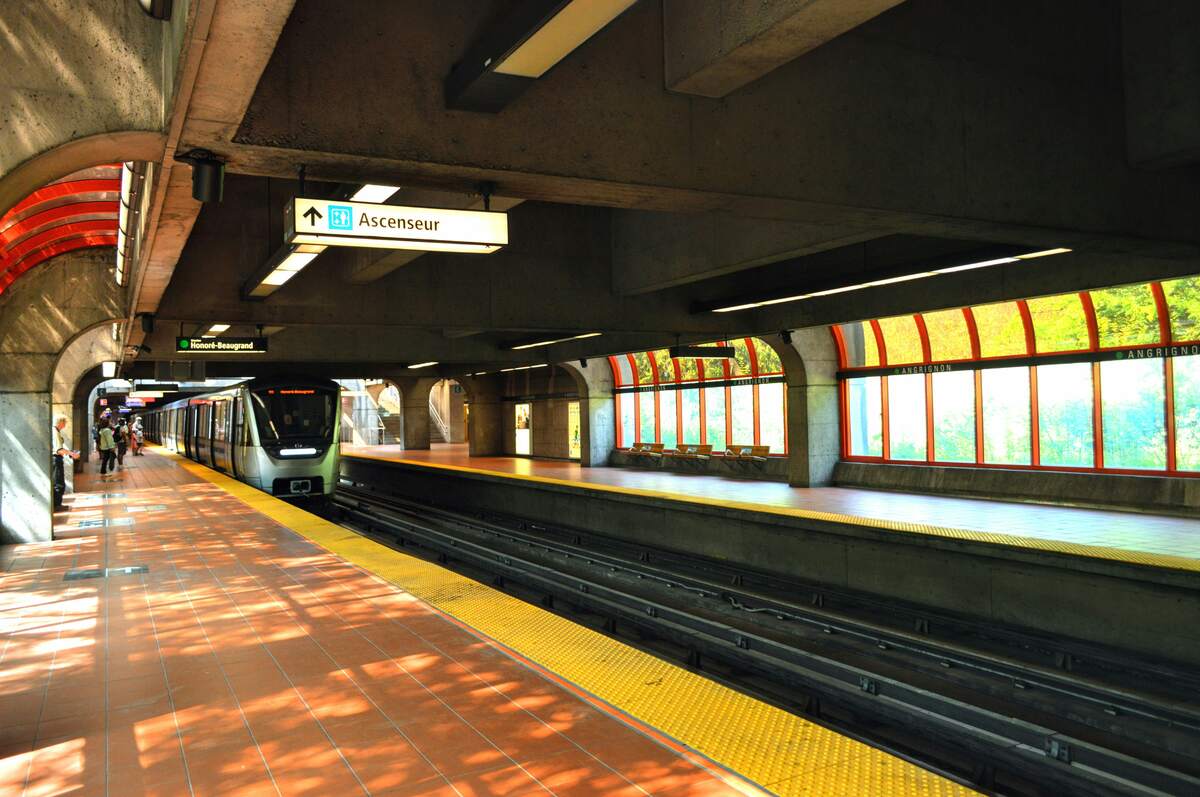
Getting around is a major difference between city and rural life. Urban areas offer public transit, reducing the need for personal vehicles. Buses, subways and trains cut fuel consumption and emissions. Many city dwellers also walk or bike, further lowering their impact. Car-sharing services and electric buses add to urban efficiency. Not all cities are created equally in terms of walkability and transit. Vancouver, on the one hand is highly walkable, Toronto not so much. The city sprawls so much that drivers sit for excessive periods of time in traffic, which can undo a lot of the good that comes from living in the city.
Rural areas have fewer transit options, so most people rely on personal vehicles. Long distances between homes, stores and workplaces mean more fuel use. Gas-powered cars contribute greatly to carbon emissions and air pollution. Even efficient ones produce emissions when driven often. Some rural communities have buses, but they run infrequently, making personal transportation necessary.
Land and Resource Use
City living uses land efficiently. High-rise buildings and compact neighbourhoods house more people in less space, preserving natural areas outside urban centres. Parks and green spaces help balance development while reducing overall land use. With shared infrastructure, cities also require fewer resources per person for roads, utilities and public services. However, urban sprawl also increases environmental strain by consuming farmland and forests.
Rural living spreads people out. Large properties and single-family homes take up more land, which can contribute to deforestation and habitat loss. Expanding roads and utilities into rural areas requires more materials and energy. On the other side of the fence, rural residents can put their land and resources to good use by reforesting or practicing regenerative agriculture and, in general, being stewards of the land, thereby improving the environment in ways urbanites cannot.
Comparing Rural vs Urban Home Size and Property Size
| Urban Areas | Rural Areas | |
|---|---|---|
| Average Home Size | ~1,000 – 1,500 sq. ft. | ~2,000 – 3,000 sq. ft. |
| Average Property Size | 0.1 – 0.5 acres | 1 – 10+ acres |
Waste Management
Cities have structured waste management systems. Recycling programs, composting services, and strict pollution controls help reduce landfill waste. High population density produces more trash, but efficient collection and treatment processes minimize its impact. Many urban areas also have wastewater treatment plants that prevent the contamination of rivers and lakes.
Rural areas often lack municipal waste services. Some homeowners manage their waste by burning, burying or transporting it to disposal sites. Limited recycling options can lead to more waste in landfills. Septic systems, common in rural homes, require careful maintenance to avoid polluting groundwater. Without strict regulations, improper waste disposal can harm local ecosystems.
Water Consumption and Pollution
Cities manage water through large-scale treatment plants that supply clean drinking water and process wastewater efficiently. High-density living means less water is used per person, as apartments and condos typically have lower outdoor water needs. Strict regulations also help control industrial pollution, keeping urban water sources cleaner.
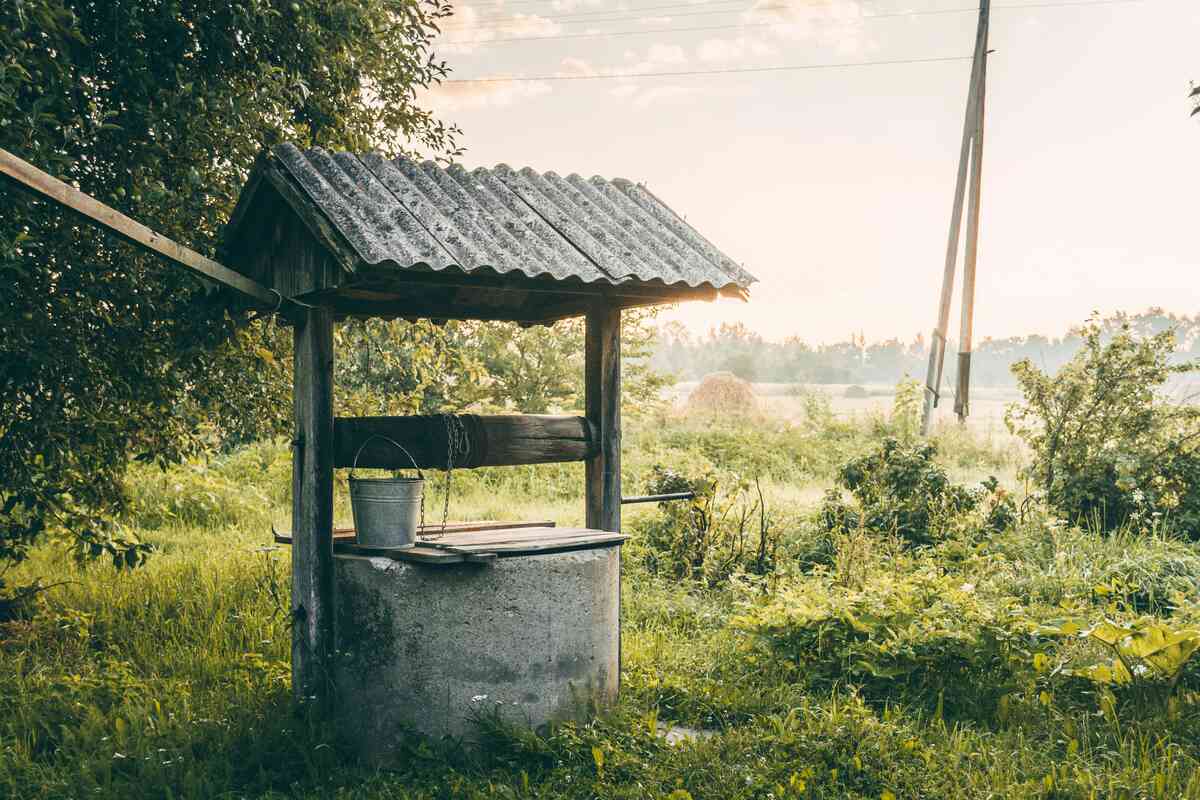
Rural areas rely on wells, rivers or lakes for water, making supply and quality less predictable. Septic systems handle wastewater, but if not maintained, they can pollute groundwater.
Agriculture contributes to water pollution through pesticide and fertilizer runoff. With fewer regulations and treatment facilities, rural water systems require more personal responsibility to stay safe and sustainable.
Air Quality and Carbon Footprint of Urban vs. Rural Living in Canada
Cities have more pollution from traffic and industry, but public transit, biking and walking help lower emissions per person. Green spaces and urban trees also improve air quality by absorbing carbon dioxide. Some cities invest in electric buses and car-free zones to reduce pollution further.
Rural areas have cleaner air overall, but individual carbon footprints can be higher. Long commutes, reliance on personal vehicles and heating large homes with oil, propane or wood increase emissions. Wood-burning stoves, common in rural homes, release climate pollutants that impact local air quality. However, with heat pumps becoming a more affordable option, there’s greater opportunity for rural residents to ditch their fossil fuels and wood in favour of electricity (which in Canada mostly comes from hydroelectricity, so is a relatively clean source).
Comparison of PM2.5 Pollution Concentrations in Canada
| Area Type | Average PM2.5 Concentration (µg/m³) |
|---|---|
| Urban core | 8.03 |
| Urban fringe | 5.62 |
| Rural areas | 4.32 |
Local Food and Consumption Habits

Cities offer easy access to grocery stores, farmers’ markets and diverse food options. However, many city dwellers rely on packaged and imported foods, which increases waste and carbon footprints. Community gardens and urban farms help offset this by providing fresh, local produce.
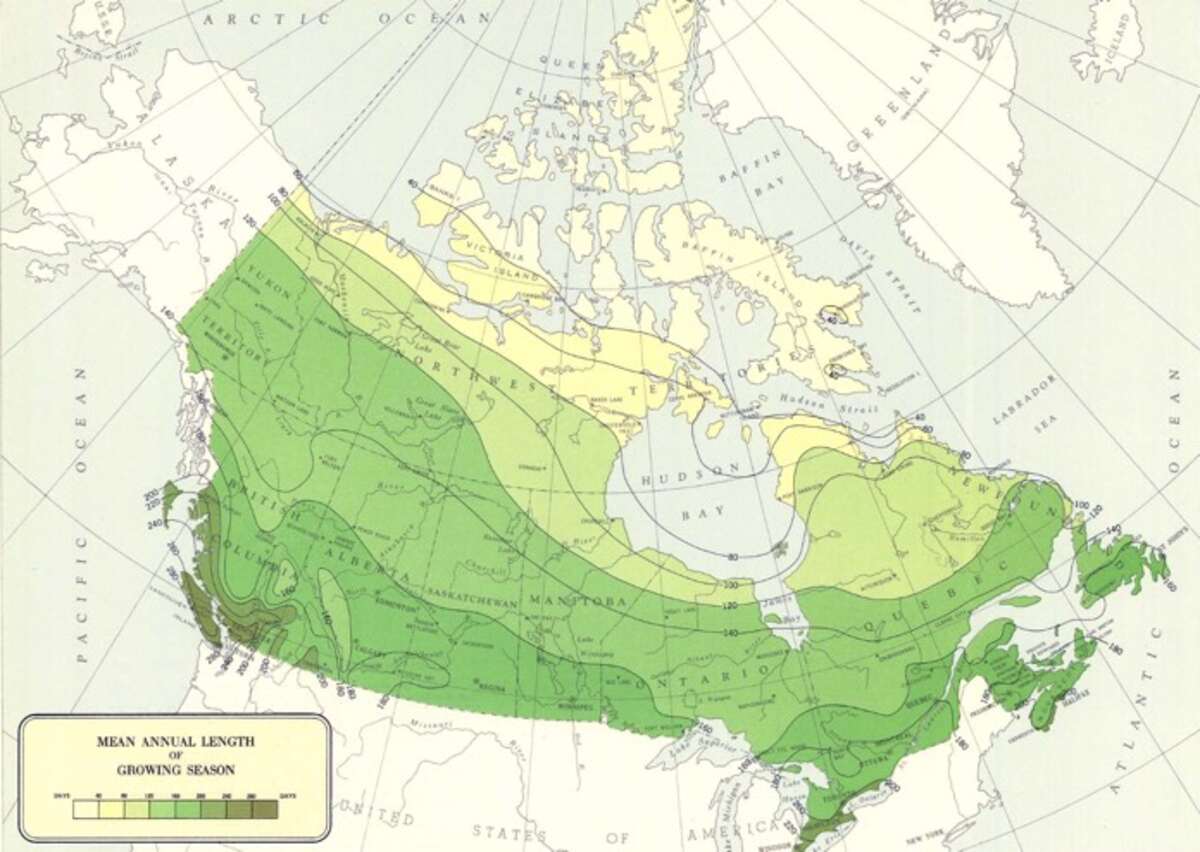
Rural living allows for greater self-sufficiency. Many people grow their food, raise livestock or buy directly from local farmers, reducing their reliance on processed foods and lowering transportation emissions. That being said, the growing season in Canada varies significantly depending on location (see below map).
As well, fewer nearby stores mean rural residents often drive long distances for groceries, increasing fuel use. Access to organic and specialty foods can also be limited in remote areas.
Length of Growing Season in Canada Map
The environmental impact of urban vs. rural living in Canada depends on how resources and energy are used and how travel and waste are managed. City life offers greater energy efficiency, public transit and structured waste systems but comes with pollution and high consumption rates. Rural living provides space, fresh air and opportunities for self-sufficiency but often requires more fuel consumption and personal waste management.
There’s no perfect choice – each lifestyle has trade-offs. If sustainability is a priority, consider how your daily habits will shape your impact. Whether you choose the city or the countryside, small changes in energy use, transportation and consumption can make a big difference.

One advantage the rural area have is they have easier access to ground and water source geothermal energy and for wind turbines.
We previously lived on a lake in the Parry Sound area and sourced our heating from the lake. In the winter it was good to -10C to heat and provide hot water for a 3500 sq ft, 3 story home. It saved about $2,000 a year in propane costs.
Sure!…our 760 sq. ft home/basement in London City is set up with geothermal, solar thermal, solar microfit(7500 watts), plus Ecolosynergy Membrane on the new glass windows,…lots more options on energy efficiency….water and air treatment, veggie growing a portion of our foods, …looking at Battery Storage for low rates ($0.024/kWh)……keep up the great work….