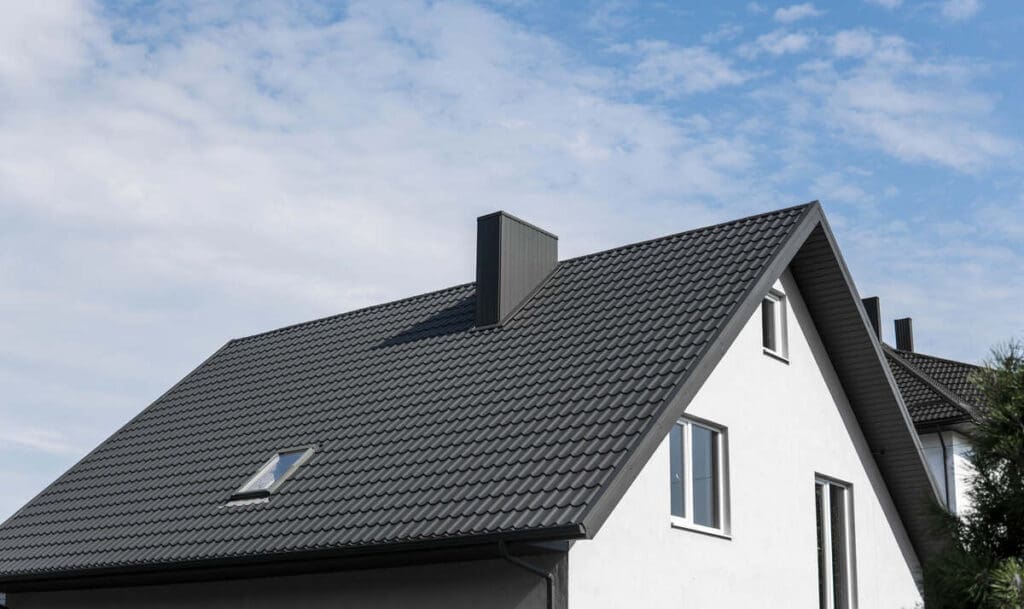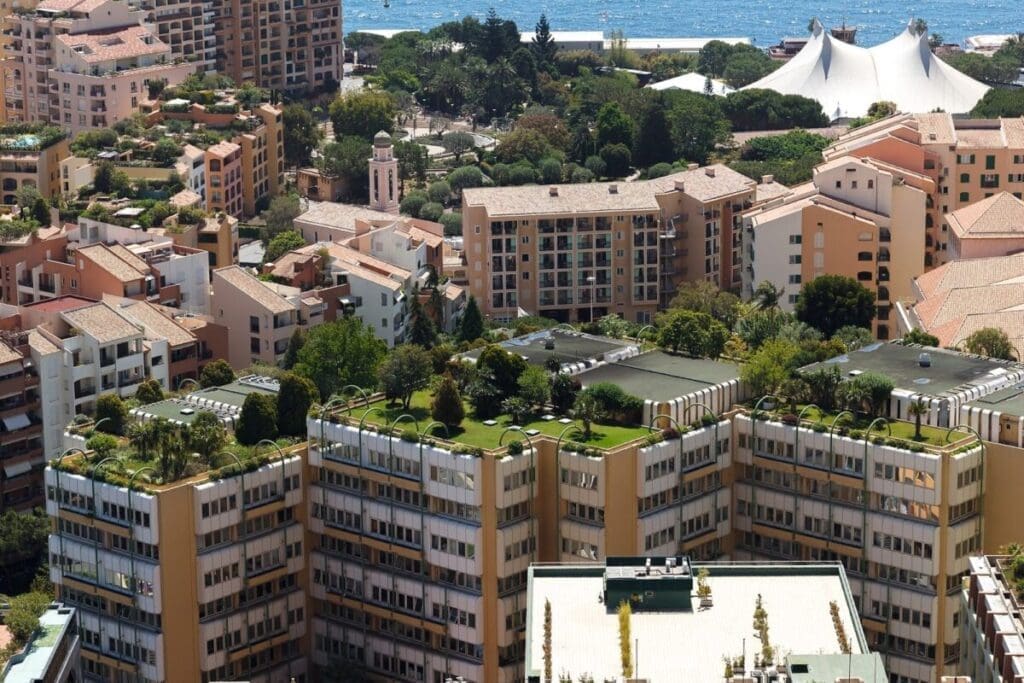
Even though living roofs (aka green roofs) are what most people think of when asked about sustainable roofing materials, it’s not the best option for existing buildings and homes because of weight limitations on roofs and the resulting high cost of retrofitting. It is a great option if you’re planning to build a new home though since the house can be designed with the living roof in mind.
But even if a green roof isn’t a possibility for you, there are traditional roofing materials that offer sizeable eco-friendly benefits. Just make sure to pick one of these materials that suit your home and you’ll be good to go for a very long time. You might even see significant savings in your heating, cooling, and electricity bills.
What Makes A Roofing Material Sustainable?
There are several factors that affect a roofing material’s sustainability. You need to consider the raw materials it’s made of, how it’s manufactured, how it works throughout its lifetime (including how it contributes to the energy efficiency of your home) and how it’s disposed of when it needs replacing.
It’s also important to know that a roof’s sustainability depends on factors like maintenance and the climate in your area. Always compare the information you find in your research with what local roofing experts recommend, given the terrain and weather that affects your specific home.
Clay Tile Roofing
Also called terracotta, traditional clay tiles are surprisingly eco-friendly. They’re recyclable, made from natural materials, and can last more than 100 years.
Get the Green Building Project Checklist
Use this handy checklist on your next project to keep track of all the ways you can make your home more energy-efficient and sustainable.
Clay tiles are also energy efficient, as they offer great insulating properties. Specific clay tile profiles will also create air movement below the tiles. The airflow below the tiles will help cool down the roof and home in warm climates as well as keep the roofing structure dry. By keeping the underlay and trusses dry, the tiles can help the whole roof last a lot longer.
They’re made from natural clay, which is an abundant resource that can be sustainably sourced. However, you’ll also need to consider any glazes or special paints added, as not all of the glazes available will be sustainable.
Slate Roofing
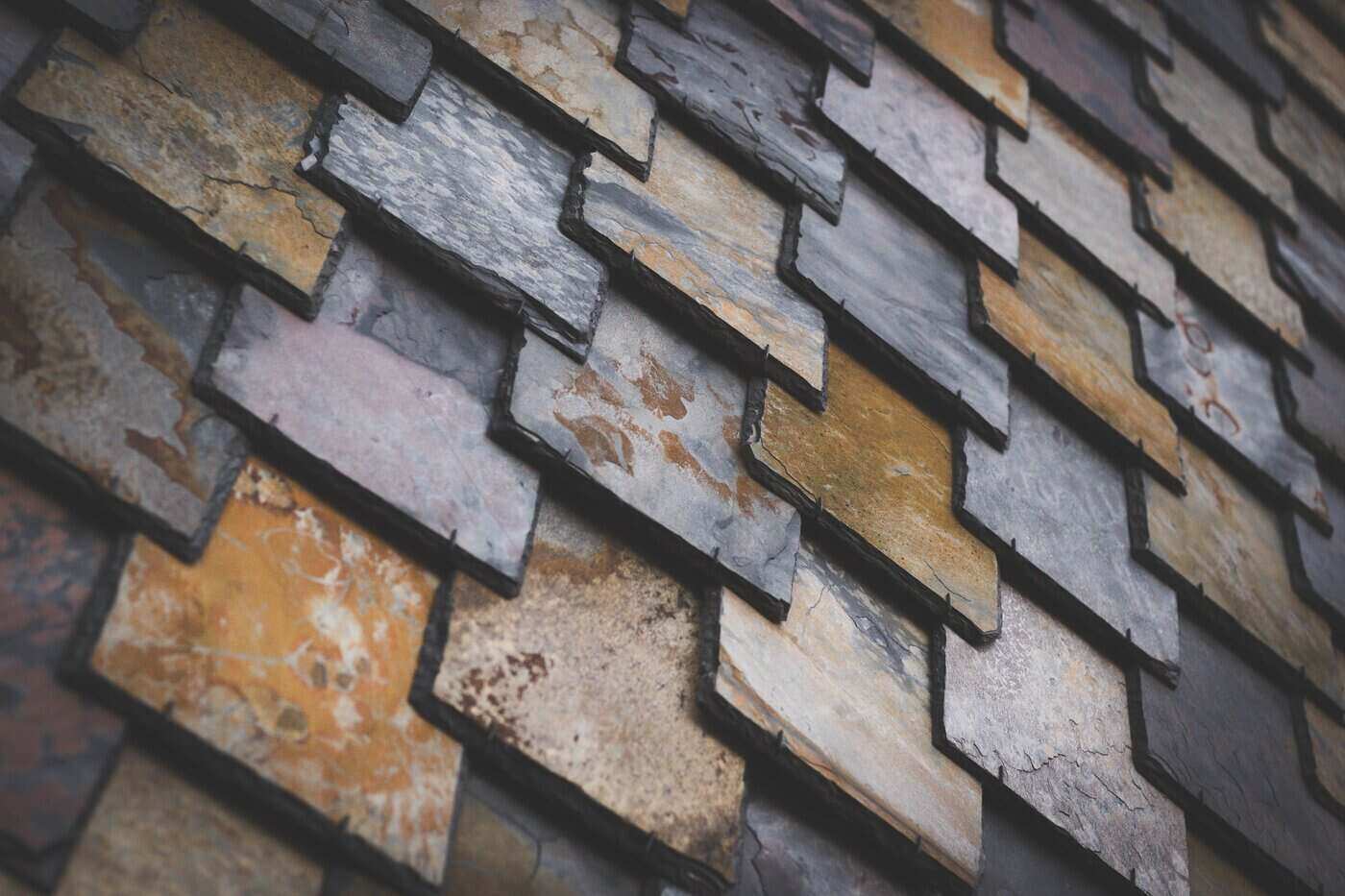
Slate roofing is truly beautiful and it’s also incredibly durable. Slate roofing can last longer than your house, meaning it likely won’t need to be replaced in your lifetime.
Of course, slate is heavy, and this means that it’s expensive and takes a lot of energy to mine and manufacture. Slate tends to come from the Northeastern side of the United States, which means it will take more energy to get to you if you’re living outside of that area.
It’s important to note that given the weight of slate roofing, you might need to reinforce your roof framing to support it safely. Be sure to speak to your roofing professional about this before making the decision to go with slate roofing.
Wood Roofing
Wood roofing (both shakes and shingles) is considered one of the most sustainable roofing materials since wood grows back.
Of course, there’s a wide variety of harvesting methods, and while some of them are sustainable, some definitely are not. Look for wood roofing made from FSC-certified wood to ensure it was extracted in an environmentally responsible way.
Wood roofing is also pretty easy to dispose of, given that it’s biodegradable (as long as it’s not treated with synthetic materials). It’s worth noting that wooden roofing is not as durable as the other options and so will need to be replaced sooner than clay, tile, slate, or metal.
Metal Roofing
Metal roofing does require a lot of energy to produce, so it’s not the first material that comes to mind when you’re thinking of green roofing, but it lasts quite a long time (40 to 70 years on average), can be made from recycled materials and is easily recycled when no longer in use.
Roofing materials that are durable mean they won’t be replaced often, and you can minimize the environmental impact of all the manufacturing, transport, and landfill waste associated with replacing a degraded roof.
So their durability, particularly if they’re made from recycled metal, put it in the sustainable category, particularly if you compare it to the lifespan of say asphalt shingles that last 15 to 30 years.
If you choose metal roofing, you need to speak with your roofing contractor about proper insulation, as this makes a massive difference in how energy efficient this roof is.
Aluminum and steel are the most common materials you’ll find when you’re looking into metal roofing. Of the two, steel is the more sustainable in terms of how it’s produced, but given that they both involve mining, they are energy-intensive early on.
Living Roofing (Green Roofing)
Living roofs are exactly what they sound like. They are, in effect, gardens on your roof. With living roofs, grass and small plants (often species that are native to the area you live in) are set into soil set atop a synthetic waterproof membrane. These aren’t a simple replacement for a current roof, as they are quite heavy and will need maintenance like a garden.
The best time to plan a living roof is at the design and construction stage of a home as they work best on flat roofs and need extensive support. They aren’t well suited as a retrofit option for old roofs except in very special circumstances. For this reason, they are more common in public and commercial buildings.
Waterproof membranes are usually made of petroleum, which is not a sustainable resource. That being said, green roofs offer great insulating properties due to the vegetation as well the layer of soil that covers the roof. A living roof also traps rainwater and the plants create oxygen, reducing the heat island effect and preventing runoff. Living roofs can offer extensive energy saving on HVAC costs for a home or building.
For more detailed information on green roofs, read our Guide to Green Roofs»