
President Trump’s tariffs on Canadian imports (and Canada’s retaliatory tariffs) could greatly impact construction in both Canada and the United States’ if the tariffs were to stay in place.
Industry experts warn that these tariffs will significantly increase construction costs in both countries, slow down housing projects and exacerbate affordability issues across the countries.
The Impact on US Construction Costs
Softwood lumber, aluminum and steel are critical components of home construction, which Trump targeted with 25 percent tariffs. Of those, Canada provides 80 percent of the United States imports of softwood lumber, 70 percent of aluminum and 23 percent of steel.
If material costs rise significantly, developers may be forced to use less materials by building smaller homes or pass the increased expenses onto consumers, further inflating already high home prices.
It’s not just the costs of construction and renovation that could be impacted by these tariffs – as new home prices get out of reach for potential home buyers they could end up looking instead for existing homes, which will increase their prices.
The Impact of Tariffs on Canada

Get the Green Building Project Checklist
Use this handy checklist on your next project to keep track of all the ways you can make your home more energy-efficient and sustainable.
In response to Trump’s sweeping tariffs, Canada has implemented retaliatory measures of its own. Ottawa has announced a 25 percent tariff on C$155 billion worth of U.S. goods, including materials used in construction such as fixtures, wood, appliances and tools with an initial C$30 billion in tariffs taking effect immediately.
The second wave of duties will cover a broader range of products that would have more of an impact on construction, including steel, aluminum and trucks.
For the construction industry, these retaliatory tariffs could prove quite disruptive. Canada imports billions of dollars’ worth of these products which are crucial to home construction. Some of these products, however, could be sourced from within Canada since we have a trade surplus with the U.S. in the case of products like steel, aluminum and wood.
The increased costs may push some developers to cut back on new projects or seek alternative materials, though the transition will not be immediate and could introduce inefficiencies into the market.
Some industry analysts believe that the tariffs will force Canadian builders to prioritize domestic materials and suppliers, potentially reducing long-term reliance on U.S. imports. However, the immediate effect will be rising costs and longer project timelines as companies adjust to the new trade environment. The CHBA warns that supply chain disruptions could lead to significant project delays, as builders scramble to source materials from alternative markets.
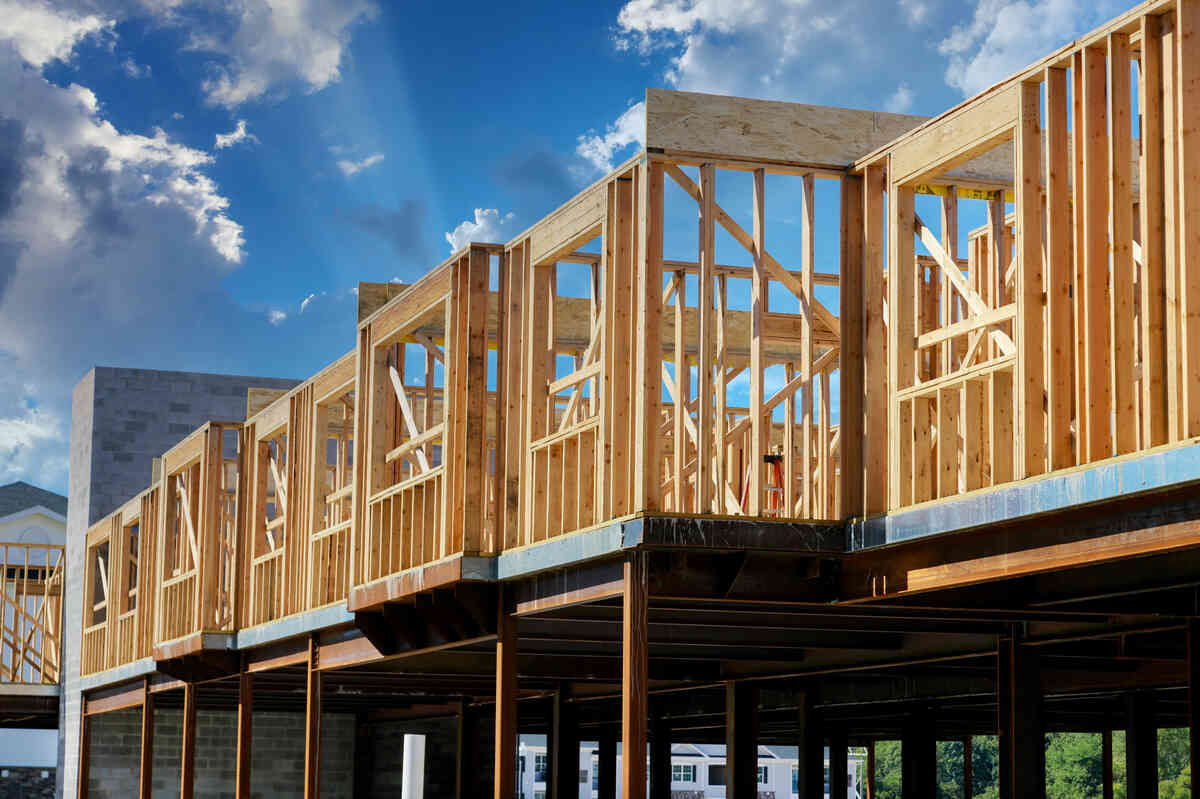
Even if builders manage to find alternative suppliers, it is unlikely they will secure prices as competitive as those they previously enjoyed with American suppliers.
Aside from increased prices for new home construction and renovation, the tariffs are having a secondary effect – reduced consumer confidence. If the tariffs are to stay in place, it’s estimated that job insecurity will dampen demand for new homes as 2.3 million Canadian jobs are directly tied to U.S. exports. Moreover, the renovation market is expected to take a hit, as higher material costs discourage homeowners from pursuing major remodeling projects.
The overall economic impacts of the trade war could also lead to a weaker Canadian dollar and higher inflation, which could further increase costs for construction.
Housing affordability is already a growing concern in Canada, particularly in high-demand cities like Toronto and Vancouver. With home prices still recovering from a previous slowdown, the added strain from rising construction costs could push homeownership further out of reach for many Canadians.
Trump Signals Possible Tariff Reduction in Future Negotiations
Despite the heated trade war, there are signs that Trump may be open to negotiations. According to U.S. Secretary of Commerce Howard Lutnick, the president is considering reducing tariffs on Canada and Mexico if the two countries agree to increased border enforcement measures.
Lutnick stated that both Canadian and Mexican officials have been in discussions with the administration, with Trump reportedly open to meeting them halfway in a potential trade agreement.
The prospect of tariff relief offers some hope for Canadian industries struggling with the new economic barriers.
However, the conditions for any reductions remain unclear. If the tariffs are lifted or eased, it could provide some relief to Canada’s construction industry, but until a concrete agreement is reached, businesses will have to navigate higher costs and supply chain challenges.
One way to deal with the 25 percent counter-tariffs on American products is to buy Canadian. Check out our Buy Canadian: Building Supplies Guide
Images from Depositphotos



We found the content particularly that the world need to look to themselves for domestic solutions. The investing in the people.