
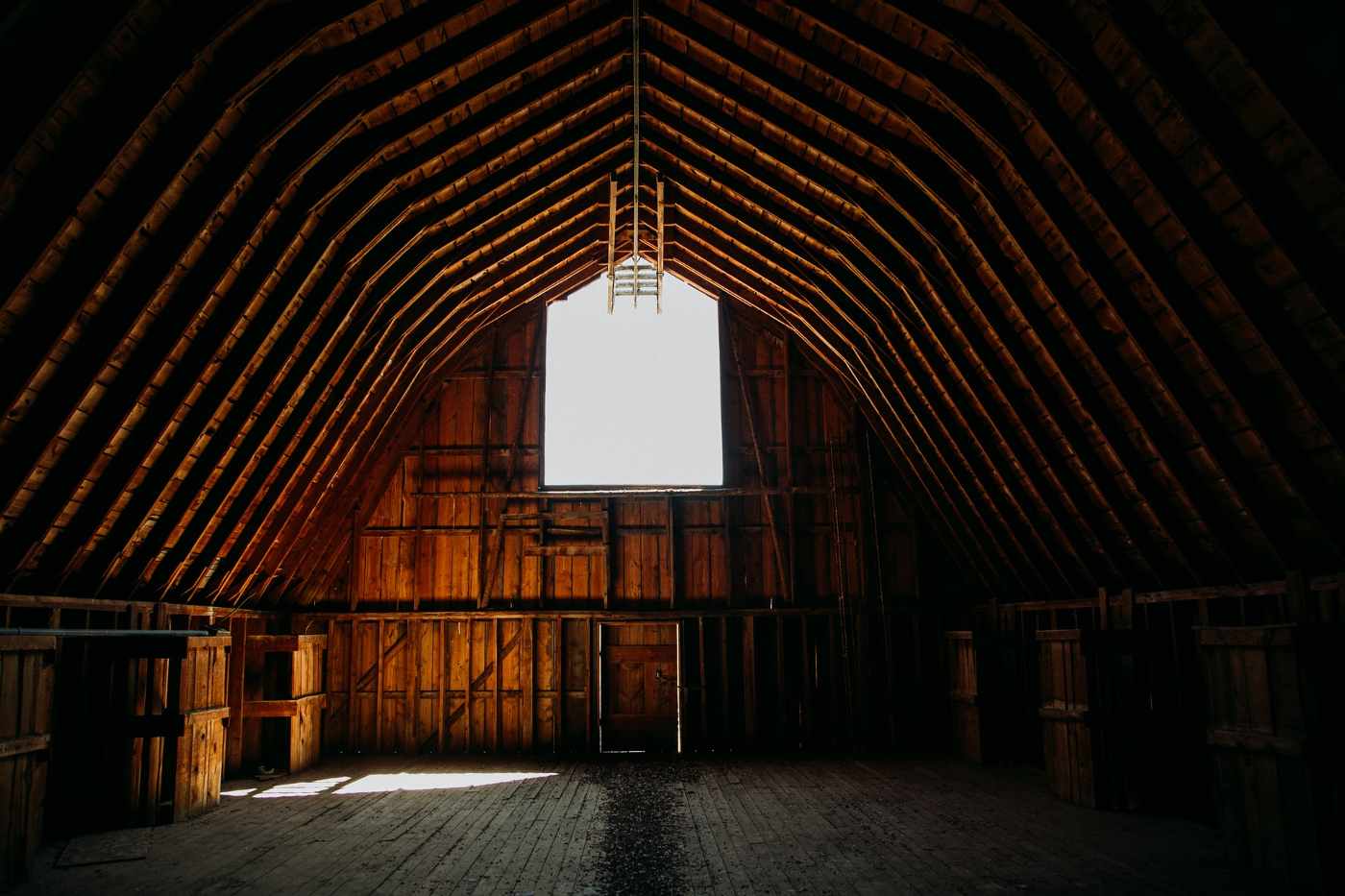
Barndominiums, barndos and steel barns are likely names you’ve come across if you’ve been looking for a creative and cost-effective living solution. “Barndominiums” combine the simplicity of a barn combined with the conveniences of a condominium. They’re a unique combination of a farm home and a luxurious living space.
There have been dramatic changes in only a few years in the design of barndos. Barndos, a kind of house building prominent in the southern United States, were originally intended to be simple, inexpensive and low-maintenance. Nowadays, we’ve come to see very luxurious living solutions.
If you’re interested in turning your backyard barn into a barndominium, let’s dive into these tips!
Know Your Budget
Finding out how much money you have to spend on your barndo is the first step in making a barndominium a reality.
Free online mortgage calculators might be beneficial if you’re still in the “dreaming” stage and want to utilize a new construction house loan for financing.
Of course, converting a barn into a barndominium may cost even less money than building a barndo from scratch. Alternatively, you can find barndo kits online and have your barndo literally delivered to your door. Nonetheless, you’ll still have to provide the proper foundation, insulation, and wiring for your instant-barndo.
Assess the Foundation
Get the Green Building Project Checklist
Use this handy checklist on your next project to keep track of all the ways you can make your home more energy-efficient and sustainable.
Your barn’s foundation may or may not be serviceable as the foundation of a home. Some barns have been built to last and the foundation could easily serve your purposes if it’s still in good shape.
Other barns, especially those that have been used as sheds, usually don’t have a strong foundation. Of course, any house requires a much stronger foundation than that of a typical outbuilding, which is why you’ll need to make it stronger.
If your barn has a dirt floor foundation or a stone foundation in bad repair, you’ll have a lot of work ahead of you. This type of excavation and installation work can add a hefty sum to your project, so assess it thoroughly before you get too far in your planning.
Research Insulation Options
When turning your already existing wooden barn into a barndo, you need to think about insulation. The insulation is what keeps you warm or cool at night, but your outbuilding is not likely to have any, so you have to carefully consider the available materials if you wish to upscale your barn.
In a barn, you’ll likely have a lot of surface area to cover, so spray foam insulation might work out to be more cost effective than batts, especially if the barn’s interior hasn’t been finished in any way.
It’s also important to insulate the barn’s roof. Beforehand, make sure that there aren’t any leakages on the roof. Since some barns can be quite old, it’s key to have all the nooks and crannies thoroughly checked. If you put insulation under a leaky roof you can do more harm than good, as trapping moisture can lead to the development of mould and mildew.
Decide on the Framing
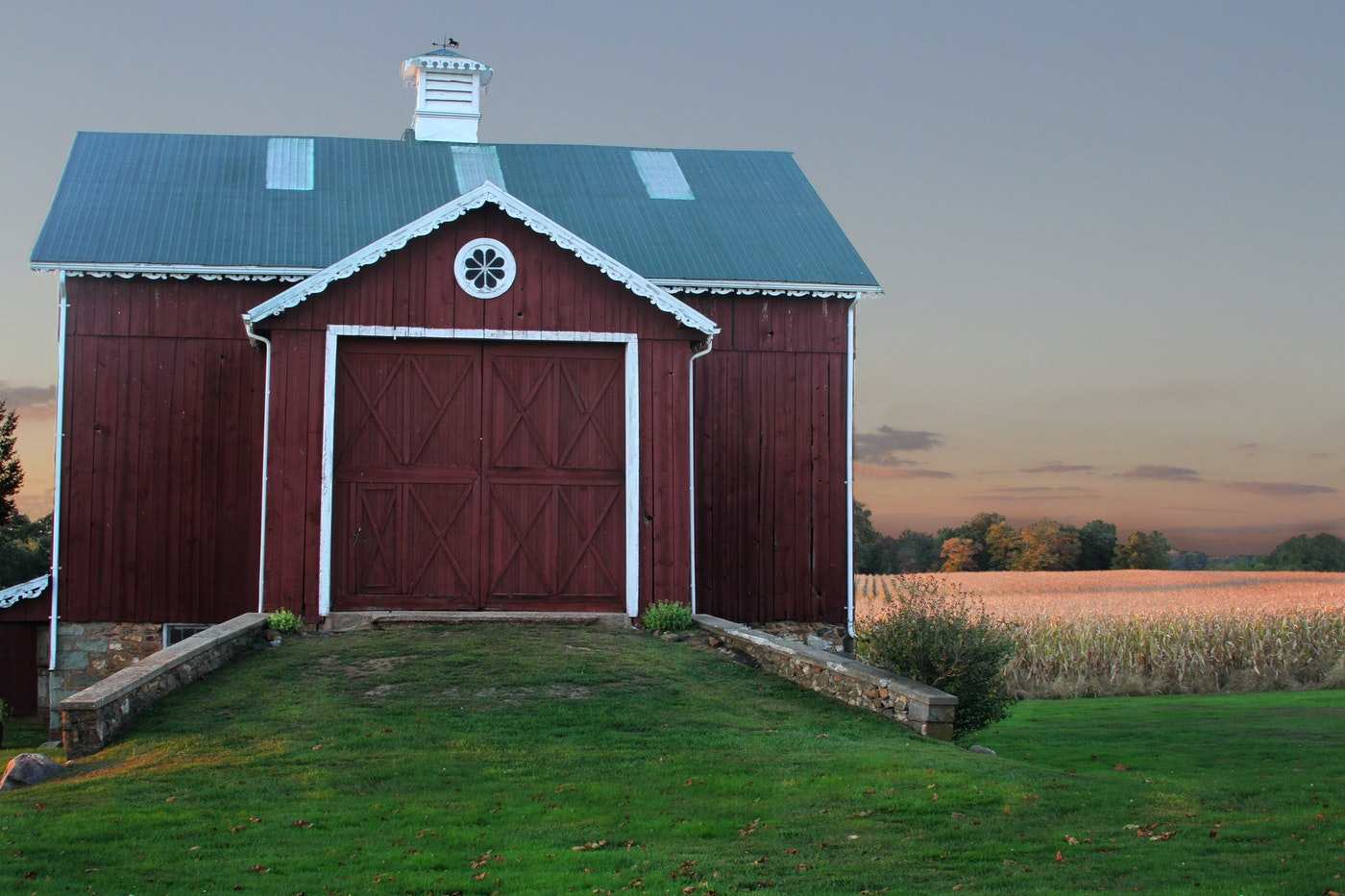
If you’re merely turning your barn into a barndominium, you have a huge advantage here compared to those who are building from scratch.
You can always opt to leave most of your barn intact, using old framing as a guideline for your project. Make sure that the wood is in good condition, especially the studs in the load-bearing walls.
It should also be noted that sometimes it’s not possible to save the old barn’s framing. In any case, the barn won’t be framed for the kind of residential finishing work you’re likely to want, so you’ll need to add to the framing or reframe the barn. Like the foundation work, this is a very important task, and many people opt to leave it for professionals.
Wiring and Plumbing Are Serious Business
The construction process for a barndominium is quite similar to that of a standard house. Once the framing is done, all of the internal systems will need to be put in place. Most of the time, you’ll want to get your contractors on the phone and schedule the work. Only the most confident and experienced DIYers should do this on their own.
If you wish your wiring and plumbing not to be a problem in the future, you have to install them in accordance with established regulations and with professional help. After all, though you may choose to live in a barn in the 21st century, no one wants to live without plumbing and electricity.
The Last Touches
Wall coverings are typically installed after all of the systems have been thoroughly tested and have passed inspection. Although drywall is the standard for interior walls, the appeal of a barndo is to offer a more rustic appearance. Tongue and groove paneling, stonework, or even rough-sawn timbers might be used in the interior wall design of a barndo to keep its farmhouse aesthetic.
If you have an older barn, it probably has architectural features you’ll want to highlight. Interior designers are great resources for helping renovators keep their building’s unique characteristics and blend them into a functional whole.
Painting can be a huge job in a barndo. Sprayers speed up the process tremendously, particularly when applying many coats, but they’re not the most eco-friendly option. Consider a painting party and call in some favours from friends to help get the job done.
Floors are sometimes put in last. If you’re fortunate enough to have an old loft floor in good condition, it can furnish your barndo with high-quality materials that lend an authentic feel to the new space. Floors are followed by trim, but only if your barn needs any. Lots of people opt to keep a no-fuss, rustic look.
Then you may decorate the interior of your barndominium to your liking. There are no rules here. You can have it in the Pinterest-approved cottage core aesthetic or opt for a more modern feel.
Conclusion
Building your own house is a rewarding experience that many people look forward to. Barndominiums, by their very nature, enable inspired homeowners to express their individuality while yet delivering a functional and long-lasting residence. If you’re looking for a cozy, adaptable house-building project, turning a barn into a barndominium might be the best option for you.
Feature image: Conner Baker; Image 1: Jennifer Murray