
Do you want to reduce your carbon footprint? One way to do so is by reducing consumption and waste at home. Since the kitchen is the most used area of the house if you’re going to focus on any area, start here by infusing eco-friendly habits into the buying, cooking and storage of your food.
Use Energy-efficient Appliances
New appliances can be costly, but they are also more energy efficient. Over time they can pay off in the amount of electricity saved. Besides consuming less power, energy-efficient appliances such as Energy Star appliances also help bring down the household’s overall carbon footprint.
Another component of sustainability is durability. Specialists explain that by purchasing high quality products that are reliable they will last longer and are less likely to need repairs, which reduces the amount of the Earth’s resources being used to make new appliances and creates less waste.
Shop for Groceries with Reusable Bags
One of the easiest ways to get rid of plastic is to use reusable bags. Go onto the web and you’ll come across a variety of bags made of hemp, cotton and other natural materials.
Choose larger reusable bags for your groceries and smaller ones for produce. Plastic bags can do a lot of damage to the environment, so avoid them completely if you can.

Get the Green Building Project Checklist
Use this handy checklist on your next project to keep track of all the ways you can make your home more energy-efficient and sustainable.
Use a Cutting Board Made of Sustainable Materials
What comes to your mind when you think of chopping the vegetables? The cutting board, of course. Chopping blocks and cutting boards are essential components in any kitchen out there. So why not rely on eco-friendly items?
A wooden cutting board is a perfect addition to your home since it’s a natural resource that can be sustainably harvested. You can also use bamboo, as it is a rapidly renewable resource.
Keep cutting boards clean so they don’t become a breeding ground for any kind of bacteria.
Use Eco-Friendly Products to Clean the Kitchen
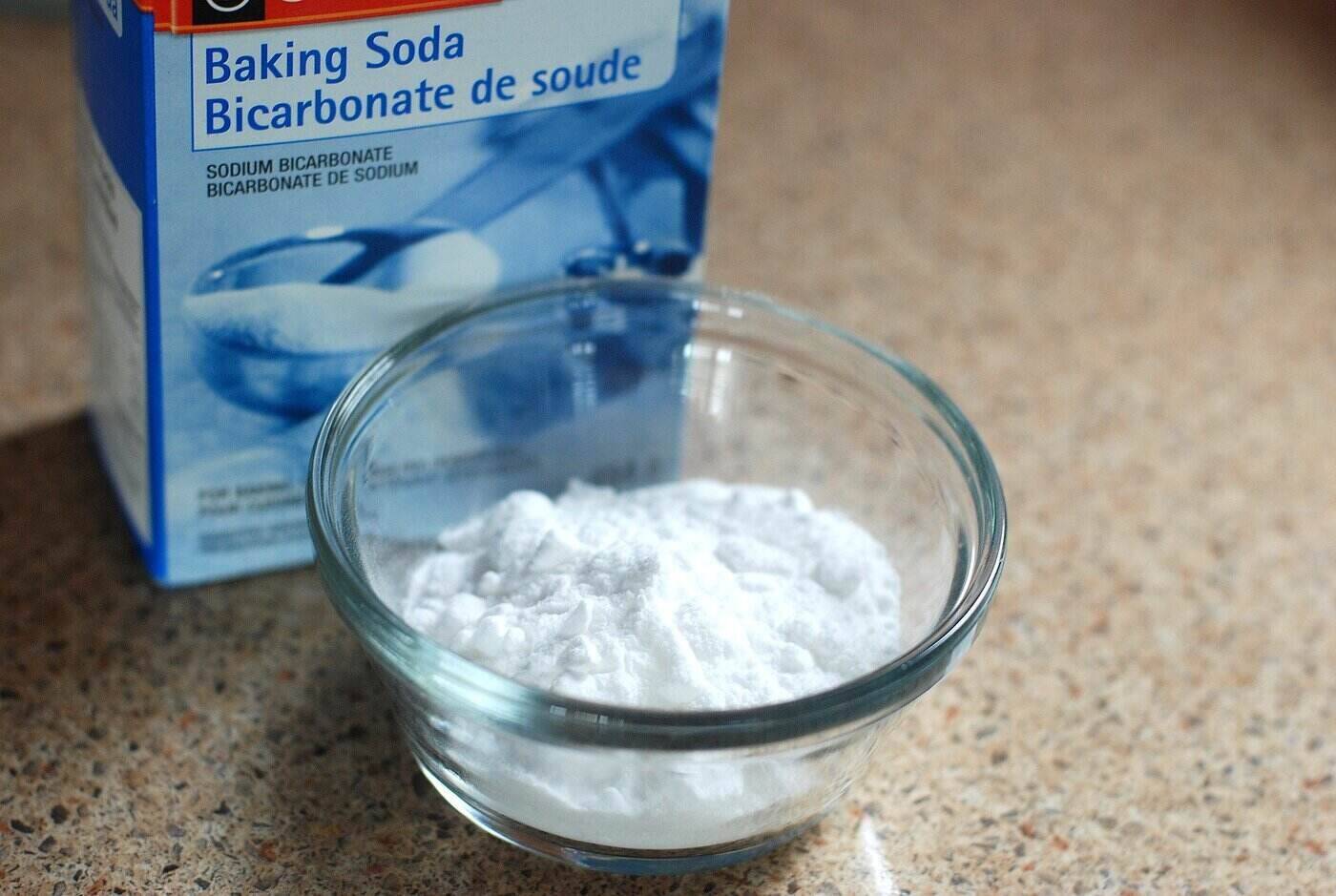
Get rid of any chemical-laden cleaners that are toxic or non-biodegradable. Chances are, if using baking soda and vinegar will help you clean the kitchen well enough.
These environmentally friendly alternatives can help your kitchen stay clean. Furthermore, they will eradicate any kind of strong odour. Because a kitchen must be kept non-toxic, it’s important that you use eco-friendly products.
Go for Plastic-free Food Storage
Opt for eco-friendly containers to store your food. Check out storage items that are prepared from glass, metal, or silicone.
For containers that aren’t available with fitted tops, you can cover the seal with reusable beeswax, or even just a plate. This will keep the food safe, and you won’t have to worry about anything going bad. Eco-friendly containers last for a long time and won’t cause any changes to the quality of food.
Stay Away from Chemical Deodorizers
Chemical air fresheners are toxic for everyone in the house. They will never allow you to smell the actual aroma of your food, especially if they’re used in the kitchen.
When you get rid of chemical air fresheners and opt for eco-friendly alternatives like baking soda you will improve your indoor air quality.
Fill the Sink to Wash Dishes
You waste a lot of water when washing dishes. Instead of letting the faucet run free, you should use a dishwasher on the eco setting. If you don’t have a dishwasher, wash dishes with the least amount of water.
Most people fill the sink with soapy water and put dishes in it to clean them. After the soap has done its job, those dishes are rinsed using clean water. Most people rinse them under the faucet.
You can save that water by avoiding using the faucet. Simply put clean water on one side of the sink and soapy water on the other. Once you have cleaned the dishes with soap, put them in the clean water. After that, you can use a towel to dry the dishes or let them drip dry in the racks.
This will not only save water, but also time. You can reduce your water footprint by quite a bit just by changing the way you wash dishes.
Feature image: Michael Browning; Image 1: NatureFriend