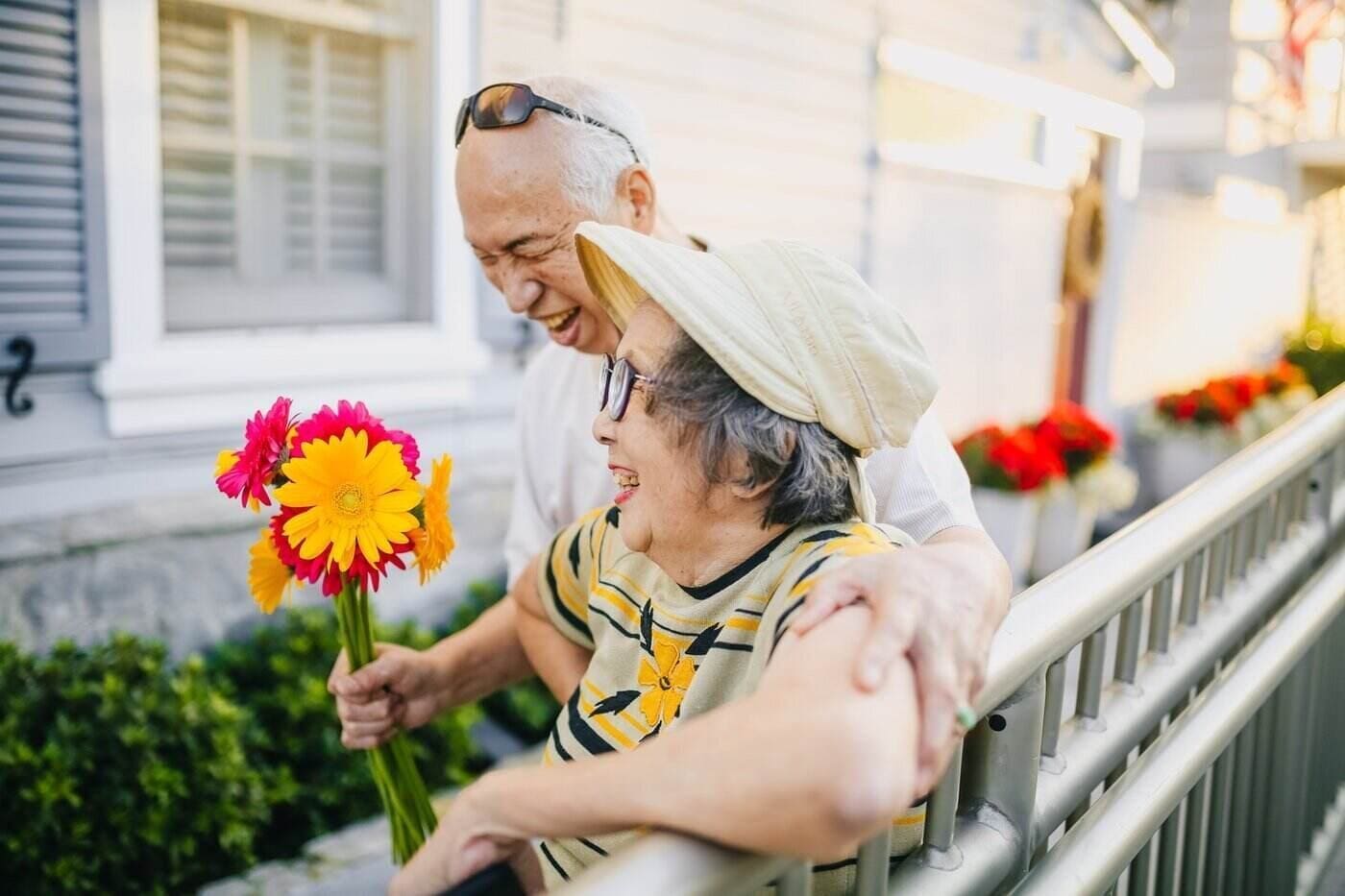
Contrary to common perception, granny flats are not solely built and designed for grannies or elders but are also used for adult children, guests, or tenants.
Granny flats are built as separate dwellings to accommodate one or two people and are built on the same property as your existing dwelling (hence the commonly used name for them: accessory dwelling unit [ADU]). They’re a smaller version of your home with one or two bedrooms, a bathroom, a kitchen and a living space.
If you plan to build a granny flat or you’re looking for one, read on to know what to consider when creating an environmentally sound granny flat.
The Perfect Design and Features
Like any home, the design of a granny flat is of utmost importance. You can hire professionals to do the plans or do it yourself if you have enough expertise.
Since the space is minimal, it has to be designed to maximize every area without seeming crammed. Make sure to create a space-efficient design for all rooms and spaces.
In the living room, for example, you can slim down to accommodate only a single sofa. You could also skip a kitchen or dining room table and use bar stools instead in the kitchen.
If a granny flat is intended for elders, you should install safety features around the structure. These standard safety features should include hand railings, safety lighting and a soft floor to minimize injury in case of fall or slip. A double French door is also an option to accommodate a wheelchair or other assistive devices.
Get the Green Building Project Checklist
Use this handy checklist on your next project to keep track of all the ways you can make your home more energy-efficient and sustainable.
Storage shelf locations are essential to the design of a granny flat. You can fill the in-between wall studs with shelves or make underfloor storage for items that are used infrequently. A variety of shelf locations keeps things easily in reach for older occupants, and keeps pathways clear and safe.
The Environmental Construction of a Granny Flat
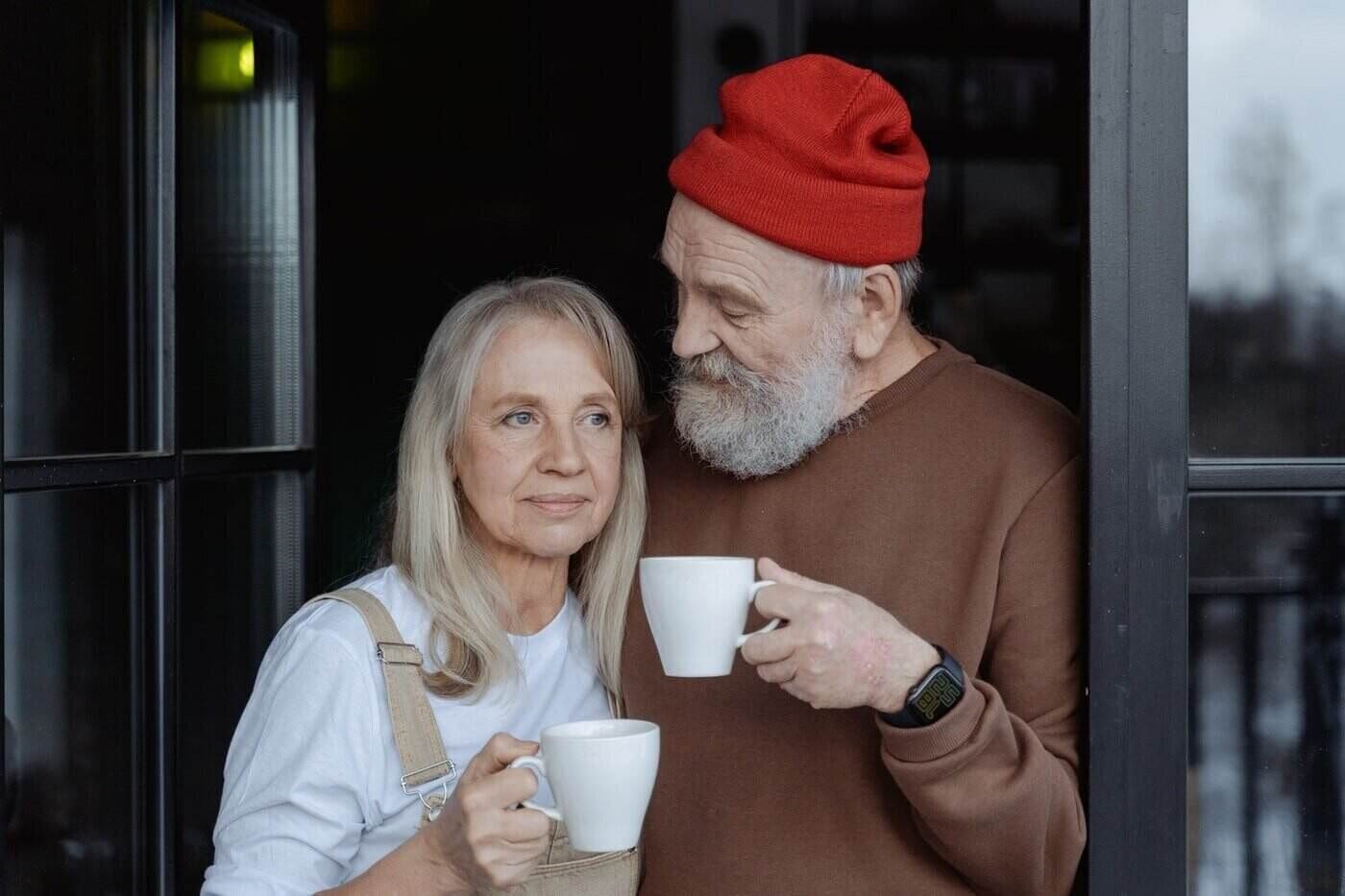
The best designed granny flats consider environmental impact. You’ll want to use sustainable materials that are energy-efficient, recycled or reused, and to choose materials that contribute to the reduction of the building’s carbon footprint.
Also consider these tips to make your project more sustainable:
Use eco-friendly products – Eco-friendly products have a long-term impact. One option is to use natural paint. Natural paint is derived from natural sources like minerals, animal byproducts, and plants. Natural paints have no synthetic ingredients in them, and therefore have low volatile organic compounds, which are known to cause severe health risks.
Choose double-glazed or triple-glazed windows – They might cost more upfront, but they will save you money on your energy bills, reducing your energy consumption.
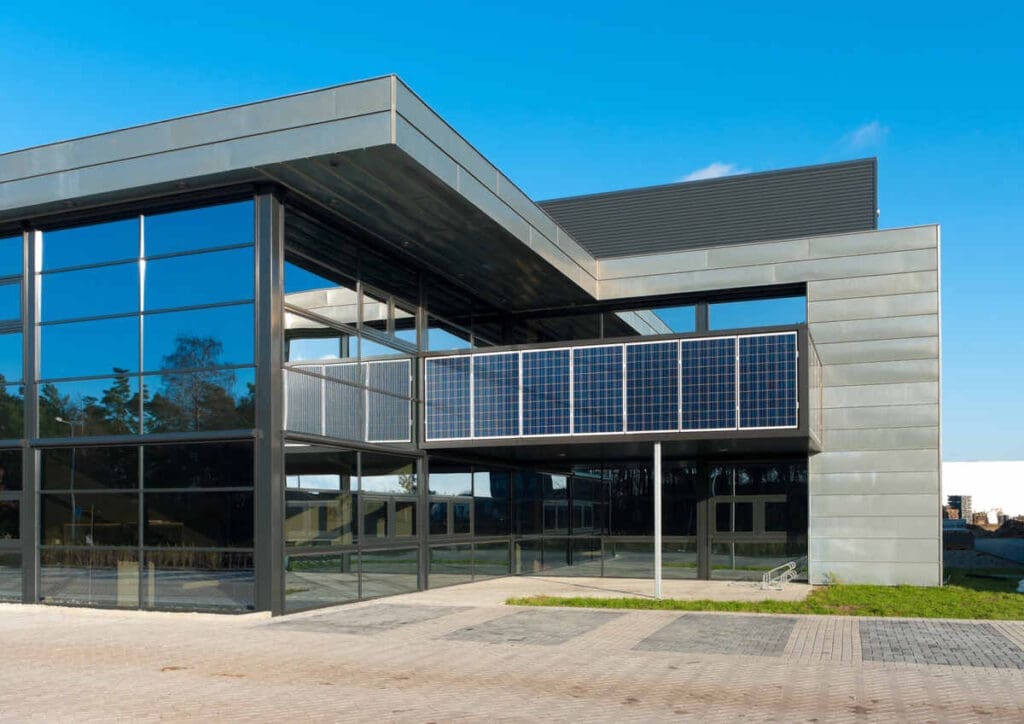
Install solar panels – Invest in solar panels as your source of electricity. Solar power is economical, clean, pollution-free, and sustainable.
Reuse or recycle old materials – You can reuse sturdy timber beams or recycle bricks. These materials have already demonstrated durability and served the same purpose; therefore, you can trust the materials’ integrity when you use them anew.
Consider prefabricated designs – You can significantly reduce your carbon footprint if you get a prefabricated granny flats. They have a lower environmental impact because they’re manufactured in a controlled environment. A controlled environment has increased energy efficiency and saves resources by reducing waste. There will be less chance of damage to materials and less impact on the environment.
Use greener cleaning products – Green cleaning products like baking soda, vinegar, and some essential oils are just as effective as synthetics. Use them and save the environment.
Place windows strategically – Make the most of natural lighting and strategize window placement to maximize functionality while conserving energy. You can also use green windows that come in different insulation and energy-efficiency levels.
Understand the climate – Architectural design must consider the climate in your area, especially when it comes to the specific spot where you build the structure. For example, if you place your home facing south (if you live in the northern hemisphere) you can take advantage of the free solar energy that the sun gives you by building your home using a passive solar design.
Feature image: RODNAE Productions; Image 1: MART PRODUCTION