
The Eco-Friendly Case for Thermoplastic Line Markings

If you spend time around roads, car parks, cycle lanes or busy logistics yards, you’ll notice something subtle but important: not all markings are the same. Some stay crisp and bright for years, others fade within a season. That difference isn’t just a maintenance headache. It changes safety outcomes, budgets and the overall carbon footprint of a site.
Over the past few years, many Canadian municipalities and private asset owners have started moving away from short-lived traffic paint towards thermoplastic line markings. The shift isn’t about chasing the latest product trend. It’s about lifecycle results: fewer repaints, less waste, faster application windows and higher visibility in the conditions that matter most dark, wet and busy.
This article breaks down why thermoplastic is finding its place in sustainable street design and modern site management and what project teams should know before they specify.
Why Move Beyond Paint?
Traditional traffic paint is inexpensive upfront and familiar to every crew. But paint’s durability window can be short, especially in freeze-thaw regions, high-turning areas, or where winter maintenance is aggressive. The typical pattern goes like this: lay paint, watch it fade, schedule a repaint, mobilize crews again and close areas a second (or third) time within the year. That cycle burns fuel, labour, cones and contractor call-outs, which is why sustainability professionals are now looking hard at alternatives with longer service life.
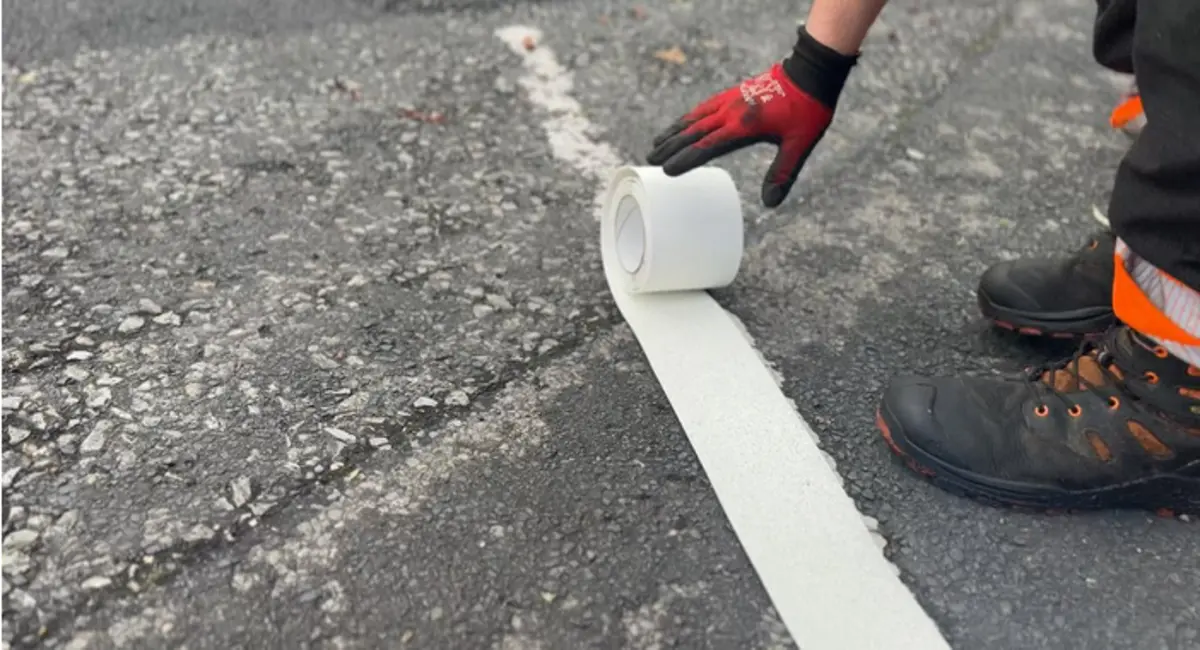
Thermoplastic markings, by contrast, bond to the pavement as a solid layer. When formulated and installed correctly, they deliver far better wear resistance and retroreflectivity retention than most paints, which means fewer refreshes and fewer maintenance windows. In sustainability terms, “do it once, do it right” often beats “do it cheap, do it again.”

Get the Green Building Project Checklist
Use this handy checklist on your next project to keep track of all the ways you can make your home more energy-efficient and sustainable.
Lifecycle Footprint: Small Changes, Big Gains
The greenest ton of material is the one you never have to produce again. That’s the lifecycle logic behind thermoplastic lines.
Fewer reapplications mean less material is used over the life of the asset. This also reduces packaging waste and cuts down on transportation trips.
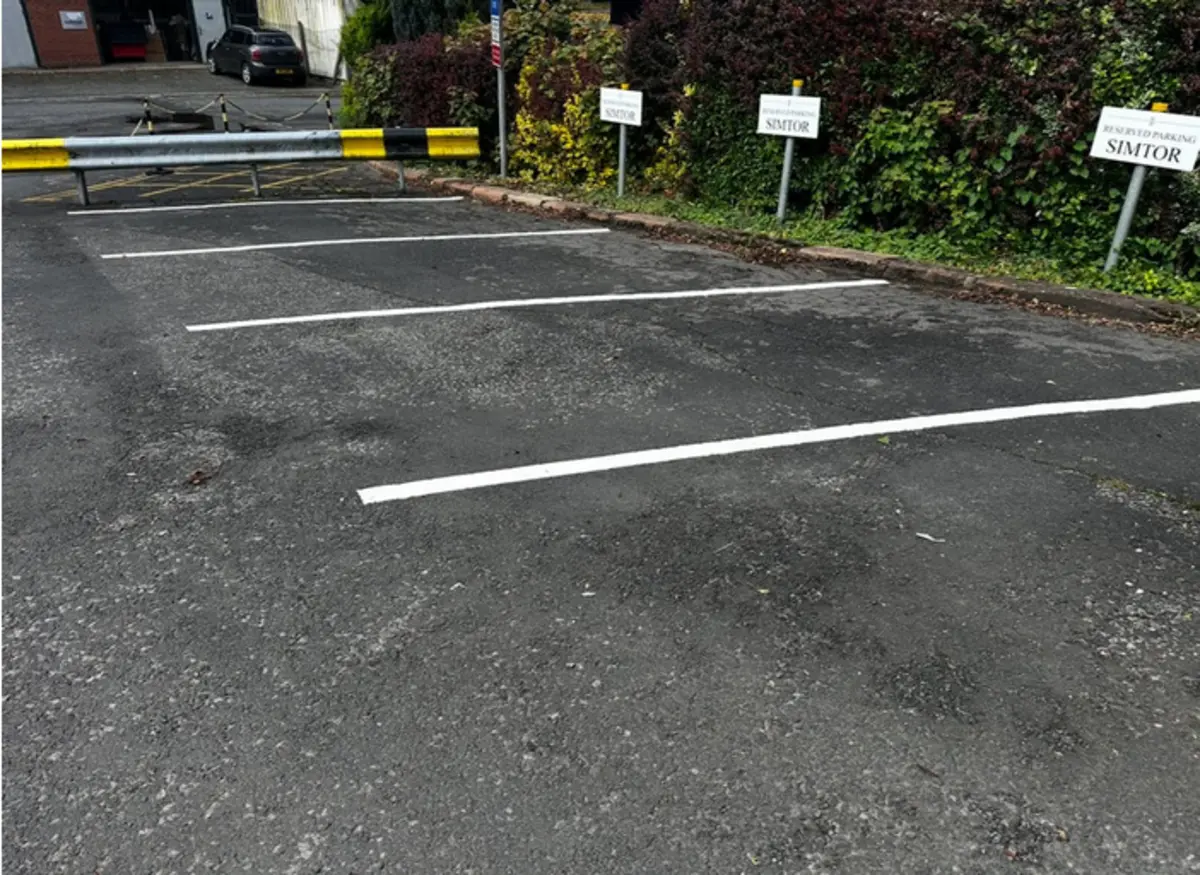
Using longer-lasting markings, such as thermoplastic, means maintenance crews don’t have to return to the same site as often to refresh faded lines. This reduces the number of trips, vehicles and equipment needed, which in turn lowers fuel use, minimizes traffic disruption and keeps roads, parking lots and work sites more functional for everyday users.
Longer visibility life ensures that markings remain effective even during the darker months, helping to reduce collision risks when they are highest.
It’s easy to focus on the upfront price per metre. But when you model a three- to five-year horizon, thermoplastic often wins on both cost and carbon because you’re not repeatedly grinding, masking and repainting the same areas.
Safety and Accessibility
Sustainable streets aren’t only about materials. They’re about outcomes for people walking, driving or riding. Thermoplastic markings typically:
Thermoplastic markings hold their retroreflectivity for much longer than traditional paint. Embedded glass beads, either blended into or dropped onto the surface, create a durable, high-luminance layer that remains clearly visible at night and in wet conditions.
These markings also provide sharper edges and bolder contrast, which makes it easier for older drivers, people with low vision and all road users to see lane lines and symbols, even on rain-darkened asphalt.
In addition, thermoplastic can support slip resistance. By incorporating aggregates into the material, high-friction surfaces can be created for symbols, crosswalks and other critical areas – particularly important in school zones and mid-block crossings where pedestrian safety is paramount.
Better, longer-lasting visibility is a safety feature and an equity feature. Streets that are easy to read are safer for everyone.
Speed of Application and Less Downtime
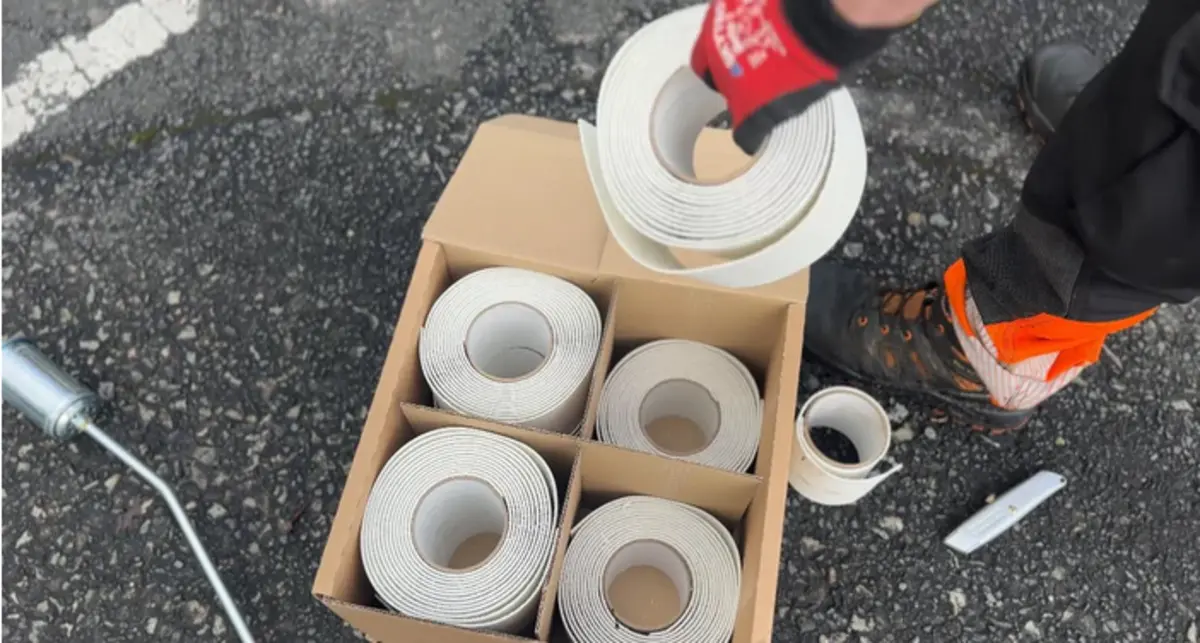
A common misconception is that higher-performance materials must mean longer closures. With thermoplastic, the opposite is usually true. Pre-formed shapes and rolls can be installed quickly with a propane torch or small melter, and they’re traffic-ready once cooled (often within minutes). For busy retail parking lots and hospital sites, those shorter windows matter. Less downtime means fewer detours and fewer frustrations for users.
Where Thermoplastic Shines (and Where to Consider Alternatives)
Best-fit Use Cases
High-wear areas – intersection approaches, bus stops, turning radii and logistics yards.
Safety-critical markings – crosswalks, bike lane symbols, sharrows, stop bars, and yield triangles.
Urban corridors with winter maintenance – where plows and abrasives are hard on paint.
Car parks and campuses – frequent traffic and regular changes to navigational markings.
Use With Care
Fresh asphalt with high oils – allow adequate cure/aging or use primers per the spec.
Heavily rutted or cracked surfaces – repair first; thermoplastic follows the substrate.
Historic surfaces or delicate pavers – confirm compatibility and removal plans.
Right material, right place, right prep that’s the recipe for performance.
Specification Guidance: Getting the Details Right
For municipal bids or private facility standards, it’s best to aim for clear, practical specification language. Start with thickness and composition – define the target mil thickness and approved material types, whether pre-formed or hot-applied.
Specify the bead type and embed depth carefully, since proper bead gradation and embedment are key to maintaining wet-night visibility.
Detail the surface preparation requirements as well: pavement must be dry and clean, with primers applied where required and a defined plan for removing existing markings.
Include temperature and weather windows in the specification to establish clear go/no-go thresholds. This ensures crews don’t rush installations under poor conditions that could compromise performance.
Require quality checks such as field retroreflectivity readings, adhesion spot checks, and slip-resistance testing where applicable.
Finally, set warranty or expected service life criteria by location class (eg. arterial roads, local streets or depot areas) to align performance expectations with site conditions.
Implementation Lessons Learned (So You Don’t Learn Them the Hard Way)
Moisture is the silent spoiler – Even micro-condensation can reduce bond strength. Don’t install on damp pavement.
Mind the bead – Over- or under-embedding glass beads reduce night visibility. Follow the manufacturer’s drop rate and embed depth.
Don’t stretch symbols – For pre-formed pieces, lay to the template. “Making it fit” can thin the material and weaken edges.
Prime where required – On concrete or polished asphalt, primer drastically improves adhesion.
Protect early cooling – Thermoplastic hardens quickly, but early traffic turning across fresh markings can scuff edges. Short, well-placed cones help.
Cost, Carbon and Community
Sustainability isn’t just one decision. It’s many small decisions stacked together. By choosing a durable marking with longer service life, you shift spending from “repeat maintenance” towards “fewer, better interventions.” That frees up budgets for other safety measures: curb radii improvements, daylighting at intersections or tactile indicators. It also reduces noise and disruption that neighbours notice when streets see constant work crews.
In short: better markings make it easier to deliver more safe-system upgrades with the same money and fewer emissions.
Sourcing Responsibly
For Canadian projects, procurement teams increasingly value product transparency, consistent QA and reliable lead times. If you’re exploring options, look for suppliers that publish technical data, provide clear installation guidance and can support both municipal-scale projects and smaller private works.
If you’re new to the category and want to review product options, installation methods and symbol kits for bike lanes, school zones, and logistics sites, here’s a practical starting point: thermoplastic lines. This resource gives a plain-English overview of pre-formed symbols, arrows and lines used on roads, paths and car parks.
Quick Answers to Common Questions
Do thermoplastic markings work in cold climates?
Yes, provided surface prep, primer (when needed) and temperature thresholds are respected. Many cold-weather cities have standardized on thermoplastic for high-wear locations.
What about removal at the end of life?
Standard removal methods include grinding or controlled heat and scraping. On high-value surfaces, plan removal methods in the spec to protect the substrate.
Can crews lay them over old paint?
Best practice is to remove loose or failing paint and ensure sound substrate. Bonding over weak layers reduces service life.
Are there microplastic concerns?
Yes, all pavement markings wear. The sustainability lever with thermoplastic is lowering the frequency of replacement by using longer-life material and ensuring good adhesion so pieces don’t delaminate prematurely.
A Simple Model for Evaluating the Switch
If you’re on the fence, run a quick lifecycle comparison:
- Define your segment set – For each location type (crosswalk, stop bar, bike symbol) estimate annual wear.
- Estimate repaint cycles – Paint vs. thermoplastic over three to five years.
- Include labour and traffic management – Not just material cost. Count mobilizations, cones and closures.
- Estimate emissions proxies – Fewer mobilizations = fewer vehicle hours and less idling.
- Factor safety exposure – Longer periods of high visibility reduce risk exposure during the year.
Most teams discover the “expensive” option isn’t so expensive once they add the hidden line items and safety benefits back in.
The Bottom Line
Thermoplastic line markings aren’t glamorous. They don’t photograph as well as new bike lanes or traffic gardens. But they quietly support those investments by staying visible and serviceable between seasonal maintenance windows. For sustainability teams balancing budget, safety and carbon, that’s exactly the kind of improvement we need: small, durable and repeatable.
As cities and private operators across Canada continue to modernize streets, depots, campuses, and car parks, thermoplastic markings offer a practical step forward: better visibility, fewer repaints and less waste over the life of the asset. That’s progress you can see day or night, dry or wet without closing the road again next month.
