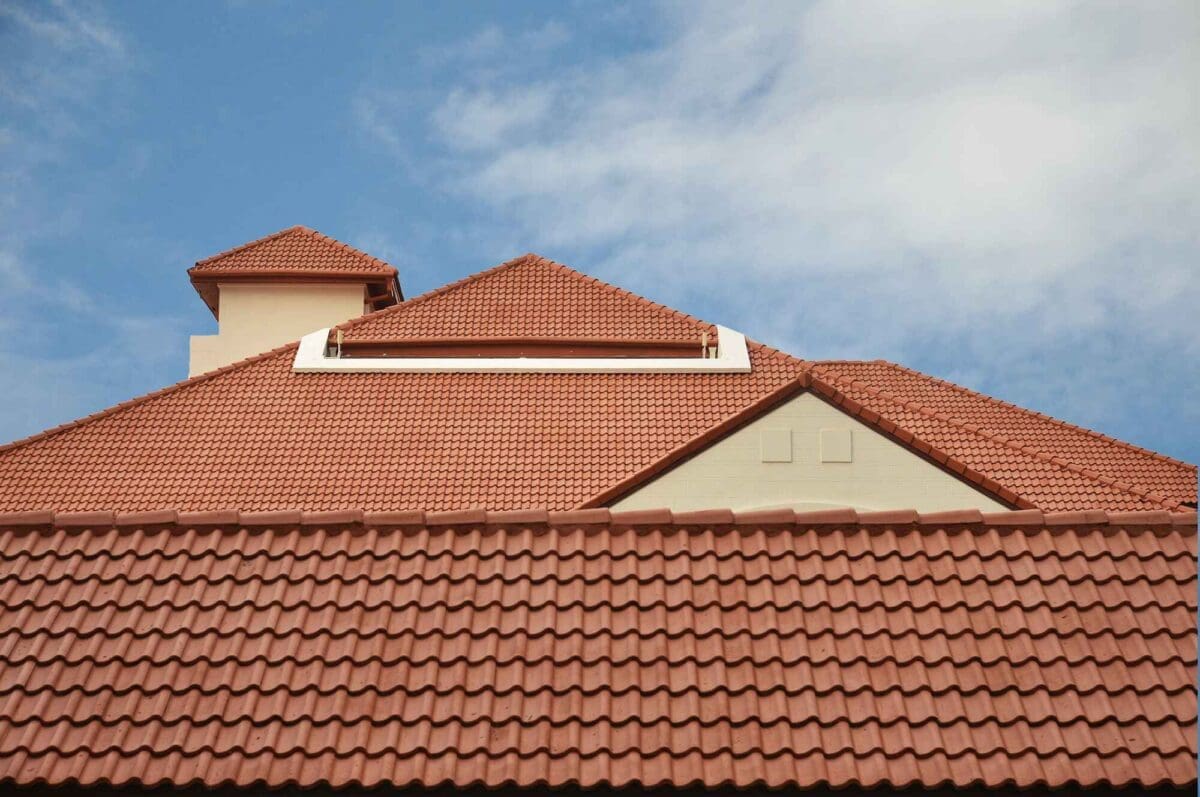
Terracotta roofs have beautified homes and sheltered people from sunshine and rain since ancient times. With its subtle reddish tones, this classic roofing material has always had a reputation of having a long lifespan. Compared to other roofing materials, terracotta (aka clay tiles) offers a considerable advantage in being among the most durable, with an anticipated lifespan of 50 to 100 years or beyond.
While they may hold the top spot in terms of aesthetic appeal and long lifespan, their cost may appear high at first glance. However, once the robust properties and minimum maintenance qualities are considered, they become a leading choice for roofing.
The Life Expectancy of Terracotta Roofs
Terracotta clay tiles and slate tiles have the longest life expectancy of roof coverings. With an anticipated lifespan of up to 100 years or more, they are impressively long-lived compared to the alternatives.
| Terracotta and slate | 50 to 100 years or more |
| Metal | 40 to 70 years |
| Cedar shingles | 25 to 50 years |
| Asphalt shingles | 15 to 30 years |
| Flat roof | 15 to 25 years |
Apart from the convenience of having a roof that will very likely outlive the house’s occupants, the installation cost of between $30,000 to $60,000 for a 2000 square-foot house is approximately 3 times that of asphalt. However, a quick scan of the life expectancy figures of terracotta roofs indicates that the asphalt roof will require replacing 3 times to reach 100 years and the cedar roof at least twice.
So, when comparing the relative cost of a terracotta tile roof to different roof types like shingle roofing, concrete roofing, metal roofs or asphalt tiles, remember to factor in the estimated lifespan of your tile roof.

Get the Green Building Project Checklist
Use this handy checklist on your next project to keep track of all the ways you can make your home more energy-efficient and sustainable.
Factors Limiting the Lifespan of Terracotta Roof Tiles
Extreme weather conditions can reduce the life expectancy of a terracotta roofs, making it unsuitable for areas that experience severe weather conditions and rapid changes in temperature.
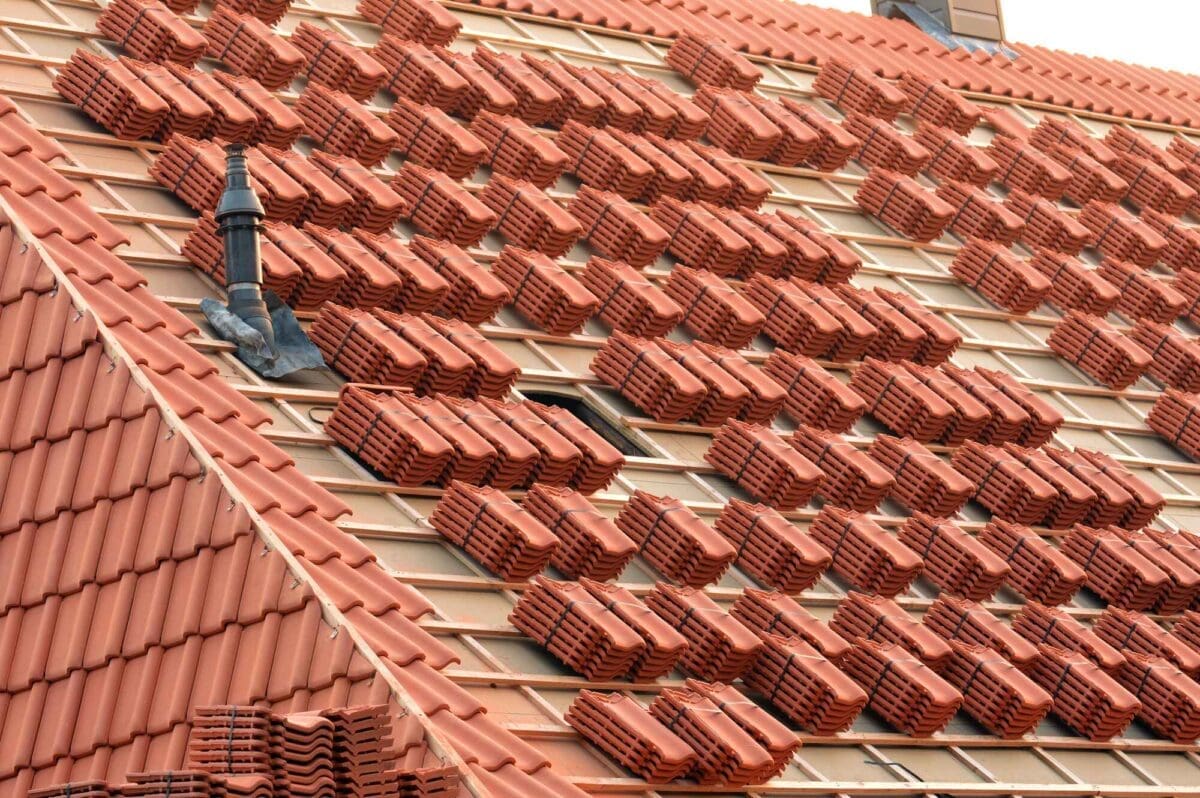
Clay roof tiles are a natural water-shedding system that requires an underlay to prevent internal water damage. The expected life of underlays is significantly less than that of terracotta roof tiles, which means that the underlay requires regular inspections and replacement if necessary.
Although terracotta roofs have a long life expectancy, they are fragile, and walking on them may cause individual tiles to crack. In addition, tile replacement may be required when small cracks develop, and falling branches can damage the roof and cause the tiles to crack.
Proper Planning Means a Longer Lifespan
The high installation cost of a terracotta roof strongly suggests that you consult professional roof contractors for expert advice on the type of roofing most suited to your local climate.
As terracotta roof tiles are heavy, it may be necessary to obtain a structural engineers report to confirm that the support structure is of sufficient strength and complies with relevant building codes.
A professional roofing contractor will also confirm the correct pitch for the roof and ensure the proper installation of the underlay.
Routine Maintenance Ensures Trouble-Free Terracotta Roofs
As a premium roofing material, terracotta tiles will provide years of excellent service if they are regularly inspected and maintained. A professional roofer will evaluate the condition of your roof and advise on the best way to make any required repairs.
In addition, the lifespan of a roof is dependent on its being kept clean of leaves and debris that may restrict water flow over the tiles. Proper care must be taken if you intend to clean your tiles using a high-pressure washing system, as excessive pressure can cause severe damage to the tiles.
In warmer climates, your maintenance plan for terracotta and concrete tile roofs should include a regular roof inspection to spot any mould or lichen that may be gaining a foothold on the tiles. Various chemical products are available to remove mould and lichen safely without threatening the environment.
Terracotta, concrete and slate tiles have an advantage over other roofing systems when sections of the tile roofing need to be replaced as only the damaged area or damaged tiles will require replacing as opposed to the complete roof.
Adding Value With Terracotta Roofs
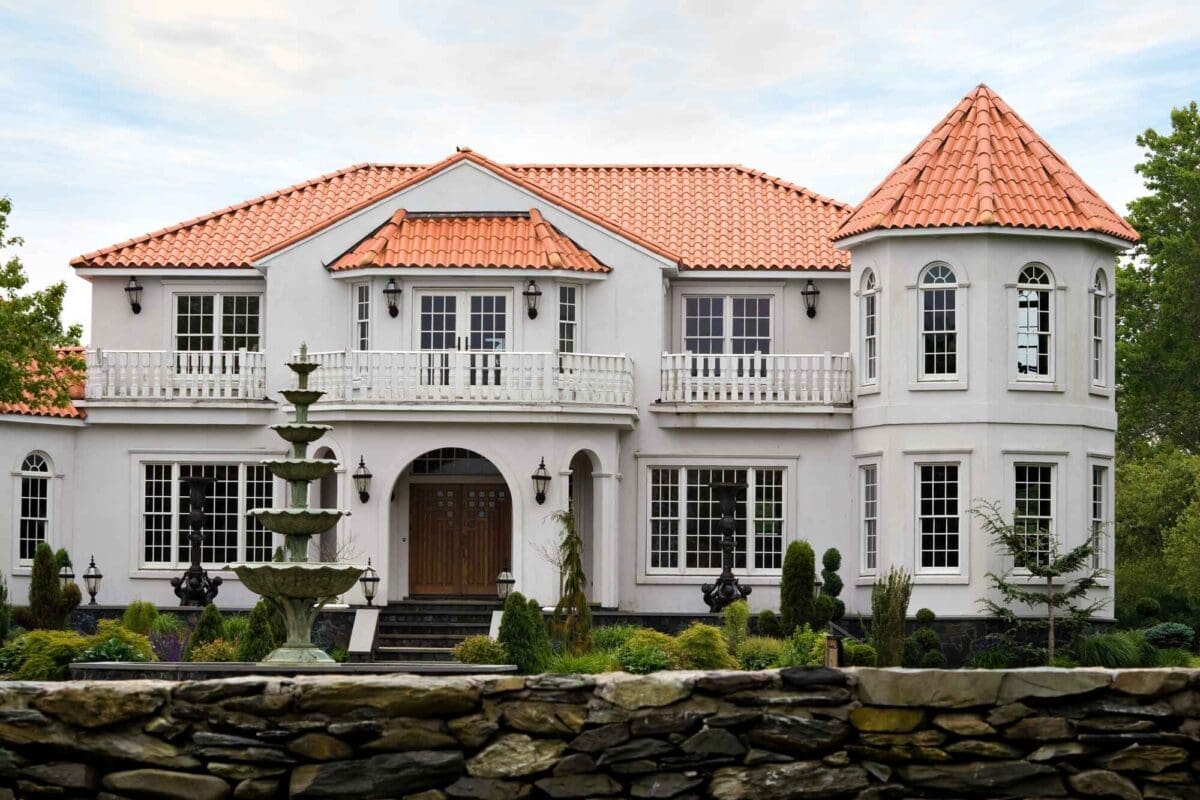
Homeowners frequently question whether terracotta roofs will add value to their property. The aesthetic appeal has lasted for centuries and looks set to add significant value to homes for generations to come.
Terracotta roof tiles, whether used as a new roof or a roof replacement, are a good environmental choice as they are made of a natural material, clay. They do need to be fired in a kiln at a high temperature to make them into tiles, so they’re not exactly the ideal natural material.
Their energy efficiency rating is high as they offer good insulating properties. In summer, they reflect UV rays and keep the home cooler, saving air conditioning costs. In winter, they help prevent heat loss through the roof.
Terracotta tiles can handle tropical storms, high winds and other harsh weather conditions, except extreme and sudden temperature changes, which may cause cracking. Care should be taken when deciding on the appropriate terracotta roof tile to ensure that the tile’s absorption rate is low, ideally below 6 percent.
This is especially relevant in areas exposed to coastal sea air with a high salt content. The tiles should be able to resist salt crystals from entering their bodies; failure to do so will damage the tile due to the expansion and contraction of the salt crystals.
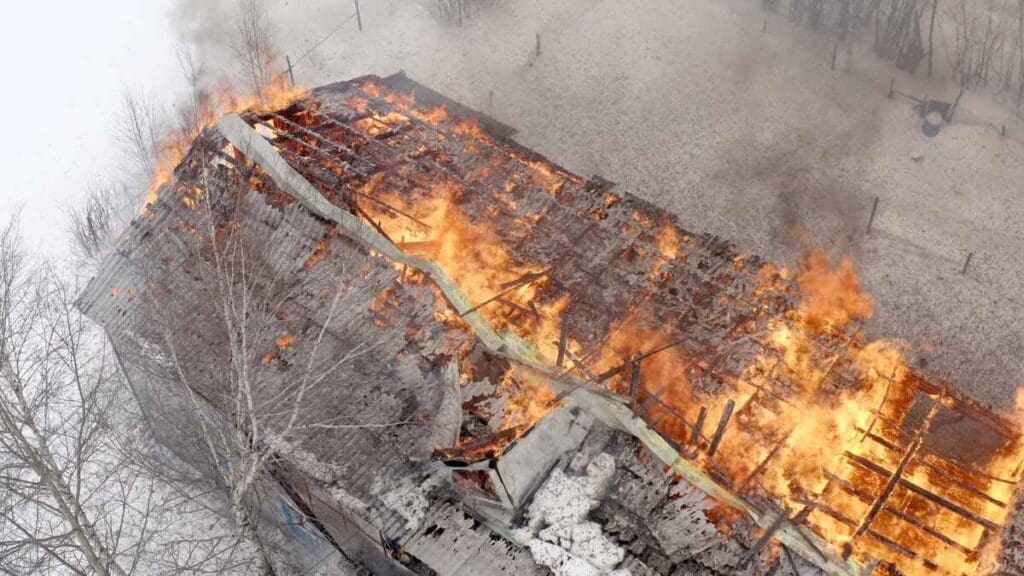
One of the best qualities of terracotta roof tiles is their inability to burn. This significantly affects the home’s fire security and may positively impact insurance costs.
A final consideration when selecting your terracotta tiles is to check the surface smoothness. The smoother, the better, as mould, algae and moss find it difficult to attach to a smooth surface.
Selecting a terracotta roof is a wise choice for the environment and your home’s aesthetic appearance. Destined to withstand the elements for a century or more, it makes a compelling choice for a quality roofing material with character.
Read more on this topic in Types of Sustainable Roofing Materials Explained.
Images from Depositphotos