Understanding the Terminology Behind Climate-Resilient Buildings

In this weekly Q&A column, retired builder/building inspector Cam Allen answers readers’ home renovation questions. Have a question? Enter it in the form below.
Over the past couple of weeks I wrote on home insurance and some of
the issues. A number of people asked what this or that “climate-related term” really meant. I fully realize that with all the weather changes, so goes the media’s level of new terminology.
Too often they assume that the average person is as up to date as the reporter on the subject. This week I picked some of the more common terms and will try to give them an understandable, down-to-earth short answer.
Climate Resistant / Weather Resistant
There are a number of terms used with respect to housing and how they
are affected by the climate crisis. “Climate resistant” and “weather resistant” are often mixed together. They are generally applied to a home that is designed and assembled to manage harsher weather and increasingly extreme temperatures. Some manufactured home companies have been using the term “weather resistant” in their marketing. There is no code or designated standard for either of these terms.
Fireproof
The term “fireproof” is commonly used when a material is capable of resisting any manner of fire or heat. There is an accepted fire rating system in Canada. The National Fire Code and the National Building Code provide guidelines and regulations. Fire proof is considered as a Class A rating and it applies to numerous materials like cement board and most metal building materials. Canada also recognizes the USA ASTM rating E84 for code compliance.
Fire Resistant / Fire Retardant
Get the Green Building Project Checklist
Use this handy checklist on your next project to keep track of all the ways you can make your home more energy-efficient and sustainable.
“Fire resistant” and “fire retardant” are often mixed together. These terms
apply to any materials that are treated with chemicals to reduce their
flammability or the product has a higher density, like some heavy timber.
Most of these products fall under the rating system as Class B
materials.
When discussing fire ratings and their applicable standards one must
remember that these are all evaluated in a controlled laboratory
environment. They are a benchmark, nothing more.
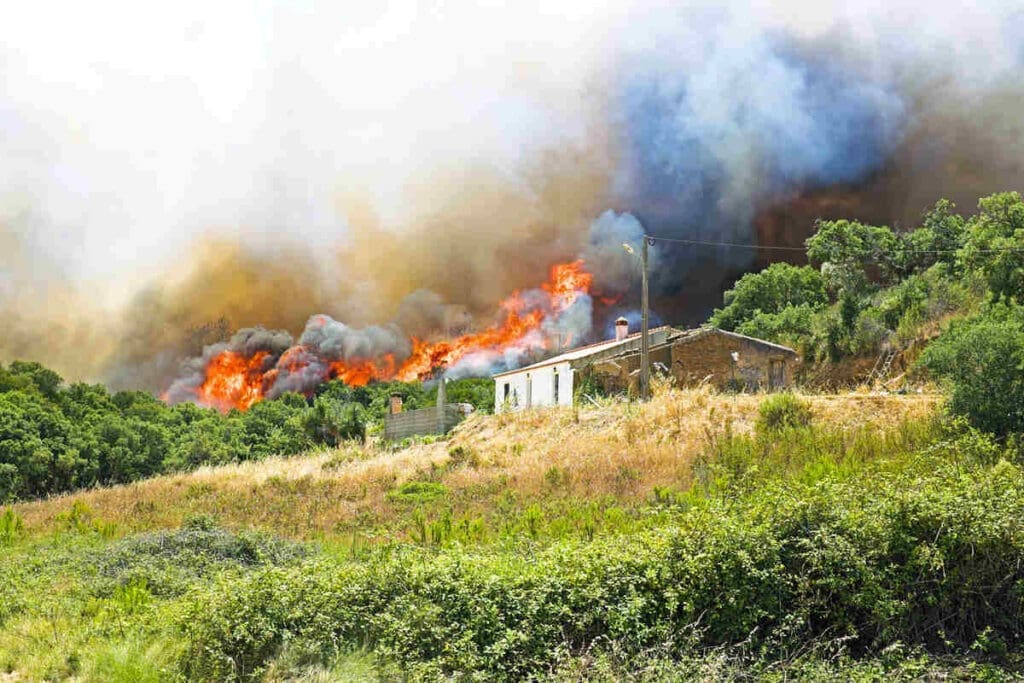
I have seen Class B materials catch fire quickly in certain real world conditions. This term has become more common in the media. A few years ago, a builder I am aware of in British Columbia built a cottage to the provincial and national
fire standards. The following year the cottage burned to the ground due
to the intensity of the heat from the wildfire that surrounded the residence.
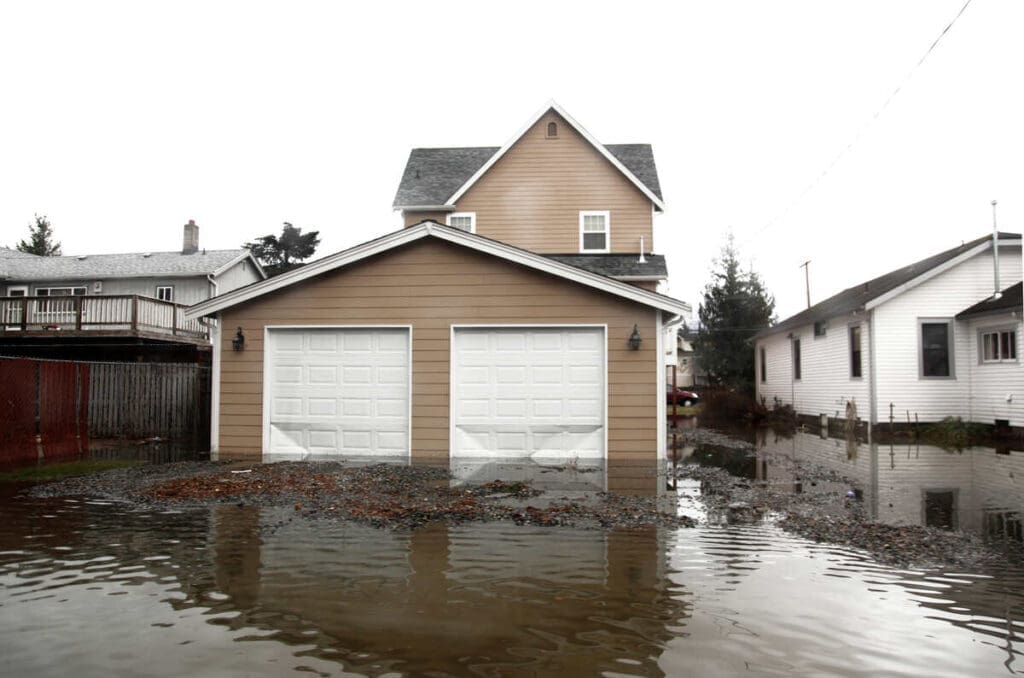
Flood Ready
If you read my column from last week, I mentioned that around half of all
home insurance claims are water related. Overland flooding is the
fastest rising water insurance claim in some areas. The media has used
the term “flood ready” and it is overused.
This term means a home has been retrofitted with all the appropriate water containment products, based upon your physical location and nearby water sources like rivers and lakes. Any flood ready home should have the physical upgrades but also include an emergency plan for your family and knowing when and how to use it.
Passive Survivability
One of the more recent terms is “passive survivability” and it describes a
building’s ability to sustain important life support conditions like interior
temperature, clean water and sanitary services during interruptions of
electrical and water supply. This design standard was developed in the
United States after Hurricane Katrina decimated the Gulf of Mexico. This is now a voluntary standard assembled to help reduce reliance on mechanical
systems by means of solar heating, passive daylight, natural ventilation,
shading, water storage and renewable energy systems.
Solar Heat Gain
As the planet’s temperature rises, we are subject to higher and longer periods of extreme heat. The term “solar heat gain (SHG)” is used in the media more and more. This is a method of testing how heat increases inside a building due to the absorption of the solar radiation of the sun. This process happens when sunlight passes over a building causing the building to absorb the heat through the windows, walls and roof. This increases the air temperature inside the building. Understanding the SHG is very important for optimizing energy
efficiency and indoor comfort.
Living Roof / Green Roof
One method of lowering the SHG of a building is through a “living roof” or “green roof” – the two terms are identical. They mean any roof that is partially or fully covered in vegetation. This vegetation holds rainwater, adds some insulation and can significantly reduce the indoor temperature of the building. It is estimated that a properly installed full cover living roof can reduce the cooling demands of a building up to 75 percent. The largest green roof in Canada is the Vancouver Convention Centre at nearly 6 acres.
Wildfire Adapted Solutions
The last one I will describe is “wildfire adapted solutions.” This is a more recent general term used for any wildfire protection plan or community program used to create resilient communities. Communities develop these solutions, promote fireproof or resistant materials and support their residents by way of programs like FireSmart.
We are going to see more and more climate crisis related terminology as
our planet continues to be affected by human occupancy and our
severely disrupted environment.
Images from Depositphotos
Have a Home Renovation Question?
Write it down below and we’ll get back to you. All questions get answered – every week, we’ll select one for publication in the column.