Tempered Glass Manufacturers That Serve Both Architectural and Industrial Markets


When it comes to tempered glass, architectural and industrial applications represent opposite extremes. Architectural projects emphasize aesthetics: optical clarity, minimal distortion, pristine edges. Industrial applications prioritize durability: impact resistance, thermal shock tolerance, chemical resistance. A tempered glass manufacturer that is capable of serving both markets demonstrates manufacturing versatility and quality control sophistication that most single-focus producers lack.
Manufacturing capabilities differ substantially. Architectural glass demands precision tempering that maintains optical flatness within tight tolerances. Industrial glass requires robust tempering that produces maximum strength even at the expense of slight optical compromises. Equipment specifications, process parameters and quality standards all vary. In this article we’ll first look at a few companies that manufacture for both markets. Following that are some useful details to know when purchasing tempered glass.
Dual-Market Manufacturers for Tempered Glass

Jersey Tempered Glass
Jersey Tempered Glass is a tempered glass manufacturer with flexible manufacturing capabilities and rigorous quality systems. Architectural applications include curtain walls, storefronts, interior partitions, canopies and balustrades. These installations emphasize transparency, flatness, edge quality – glass becomes visible design element requiring perfection. Industrial applications include equipment sight glasses, machine guards, transportation glazing, lighting covers and appliance panels. These uses prioritize strength and thermal resistance over optical perfection.

Get the Green Building Project Checklist
Use this handy checklist on your next project to keep track of all the ways you can make your home more energy-efficient and sustainable.
Appropriate testing documentation is provided that supports both architectural specifications or industrial certifications, such as safety glazing certificates, impact resistance data and thermal shock verification. This flexibility enables serving diverse markets through a single manufacturing operation.
AGC Glass
AGC Glass produces tempered glass to serve construction and industrial markets globally. Architectural products include high-performance coatings, specialty tints and low-iron clarity. Industrial products range from transportation glazing to appliance panels. Manufacturing facilities worldwide provide capacity for large-volume projects.
The company emphasizes technical innovation: new glass compositions, coating technologies and processing techniques. It’s best for projects requiring cutting-edge glass technology or global supply consistency. Premium pricing reflects R&D investment and global operations.
Vitro Architectural Glass (formerly PPG Glass)
Vitro Architectural Glass operates facilities producing both flat architectural glass and industrial specialty products. The architectural division serves commercial construction while the industrial division supplies automotive, appliance, lighting and equipment manufacturers. Separate operations optimize for different market requirements while leveraging shared manufacturing expertise.
Services include technical support, product development and warranty programs. It’s best for projects requiring brand specification or working with industrial OEMs needing reliable glass component supply. Pricing is moderate reflecting established manufacturer positioning.
Guardian Glass
Guardian Glass manufactures tempered glass for both architectural facades and industrial equipment applications. Large-scale production capabilities suit architectural projects that require substantial quantities. Industrial customers benefit from technical expertise and testing facilities which verify performance in demanding applications.
Services include engineering support, performance testing and specification assistance. They’re best for large architectural projects and industrial OEM customers who require an established manufacturer with comprehensive capabilities.
Architectural Requirements
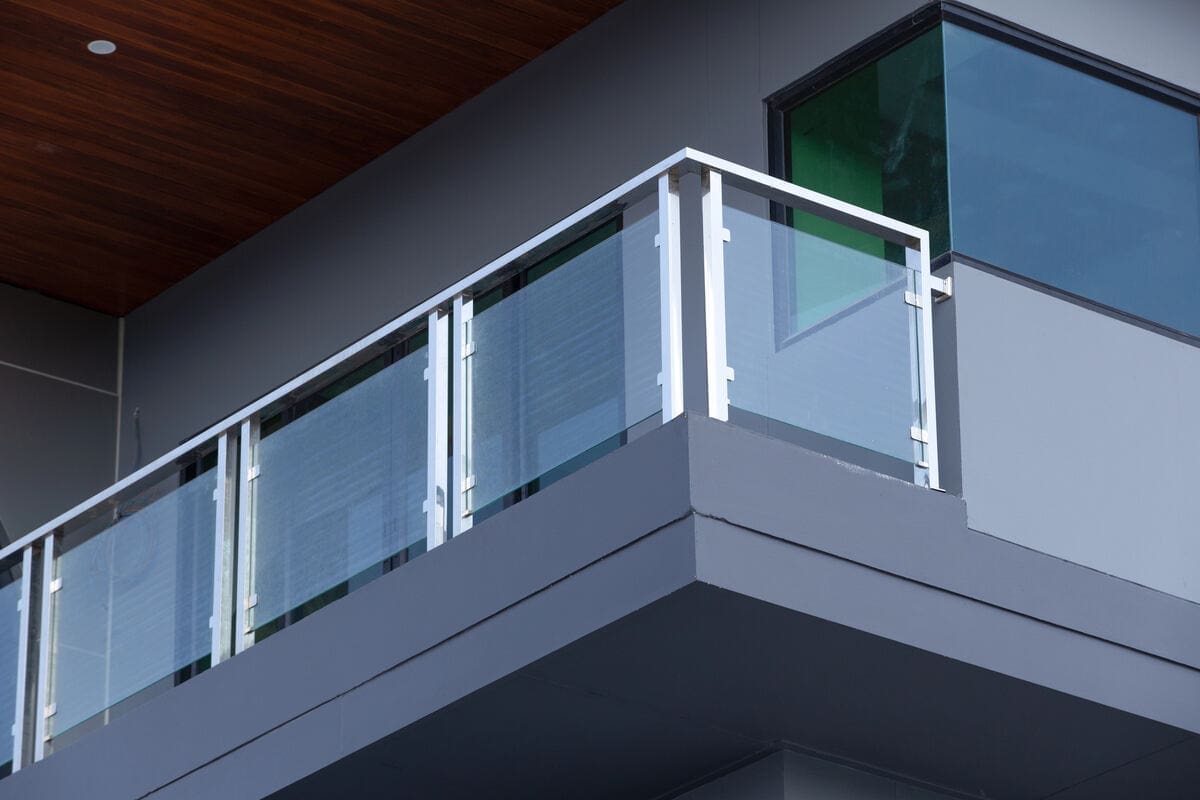
Architectural glass must meet aesthetic standards beyond functional requirements. Here are a few of the major requirements:
- Optical flatness within 0.002″ per linear foot prevents visible distortion
- Edge quality suitable for exposed installations (polished smooth without grinding marks)
- Size consistency within tight tolerances to ensure panels align properly in systems.
- Colour and coating uniformity across large installations prevents visible variations.
- Glass from different production batches must match, appearing identical when installed adjacently – this consistency requires process controls and quality inspection that most industrial-focused manufacturers lack
Industrial Requirements
Industrial glass prioritizes functional performance over appearance.
Impact resistance, thermal shock resistance that can survive temperature variations and chemical resistance to exposure to cleaning agents or process chemicals. These functional requirements often exceed architectural specifications.
Dimensional tolerances for industrial applications must accommodate assembly requirements. Holes, cutouts and edge finishing all specified for functional fit rather than aesthetic perfection. The focus enables aggressive tempering to maximize strength even if introducing slight optical compromises that are acceptable for non-visible applications.
Manufacturing Versatility
Serving both industrial and architectural markets requires manufacturing flexibility. Equipment that is capable of precision temperature control for architectural glass or aggressive tempering for industrial strength. Quality inspection systems must adapt to different standards – optical inspection for architectural, functional testing for industrial. Edge work capabilities ranging from cosmetic polishing to functional seaming.
This versatility demonstrates manufacturing sophistication versus single-application optimization. Manufacturers succeeding in both markets prove operational excellence adaptable to diverse requirements. The capability provides customers confidence that the supplier can handle varied specifications as project needs evolve.
Testing and Certification
Architectural projects require specific certifications: ASTM standards for safety glazing, energy performance ratings and structural load verification. The documentation must support specification compliance and building code approvals. Industrial applications need different testing: impact resistance, thermal cycling, load bearing and dimensional stability. Each market requires appropriate verification.
Quality manufacturers maintain testing capabilities that support both markets, such as impact testing apparatus, thermal shock chambers, optical inspection equipment and dimensional verification tools. Investment in comprehensive testing enables serving diverse applications through verified performance claims.
Images from Depositphotos