Sustainable Wood Fencing
A Guide to Choosing the Right Wood and Building a Fence that Lasts

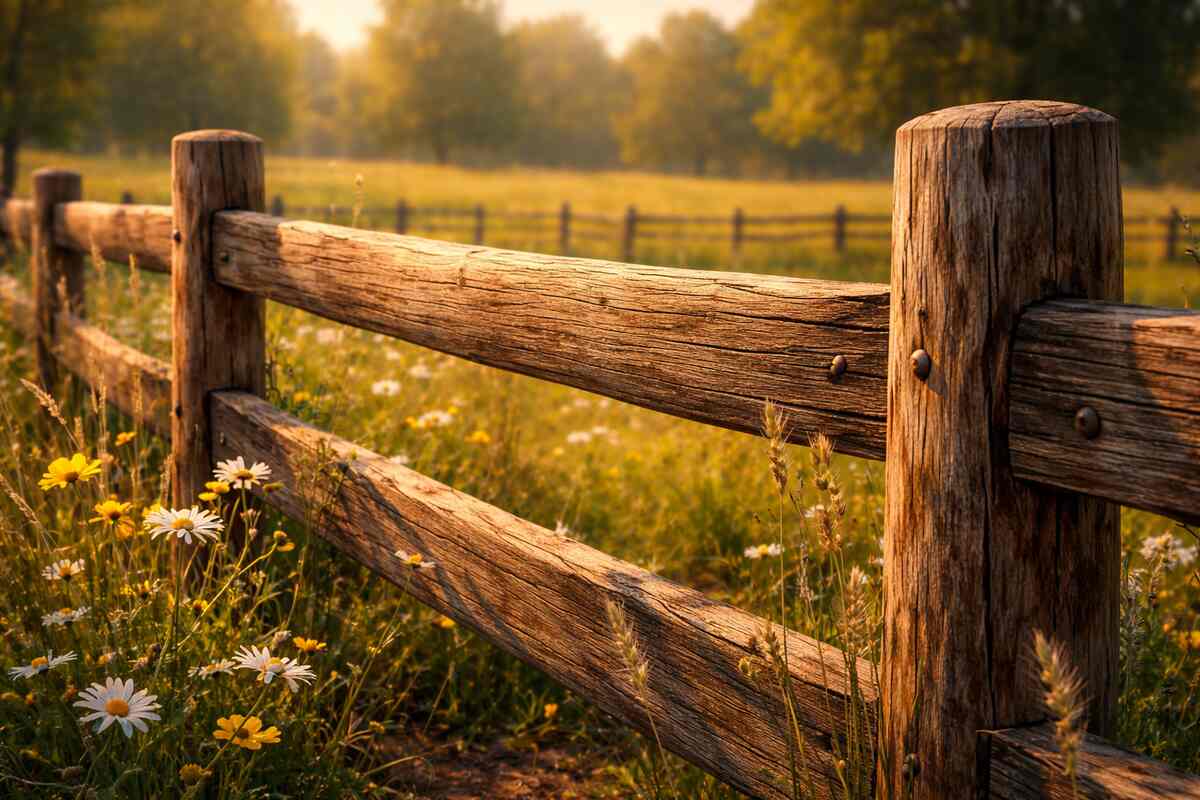
A sustainable fence does more than define a property line, it reflects thoughtful choices about materials, longevity and environmental impact. Building an eco-friendly wood fence involves selecting materials that are responsibly sourced and are naturally durable. Pair the right material with simple, consistent upkeep and a fence can stay strong, attractive and out of the landfill for decades.
Sustainable Wood Fencing Options
Best All-Around: Western Red Cedar
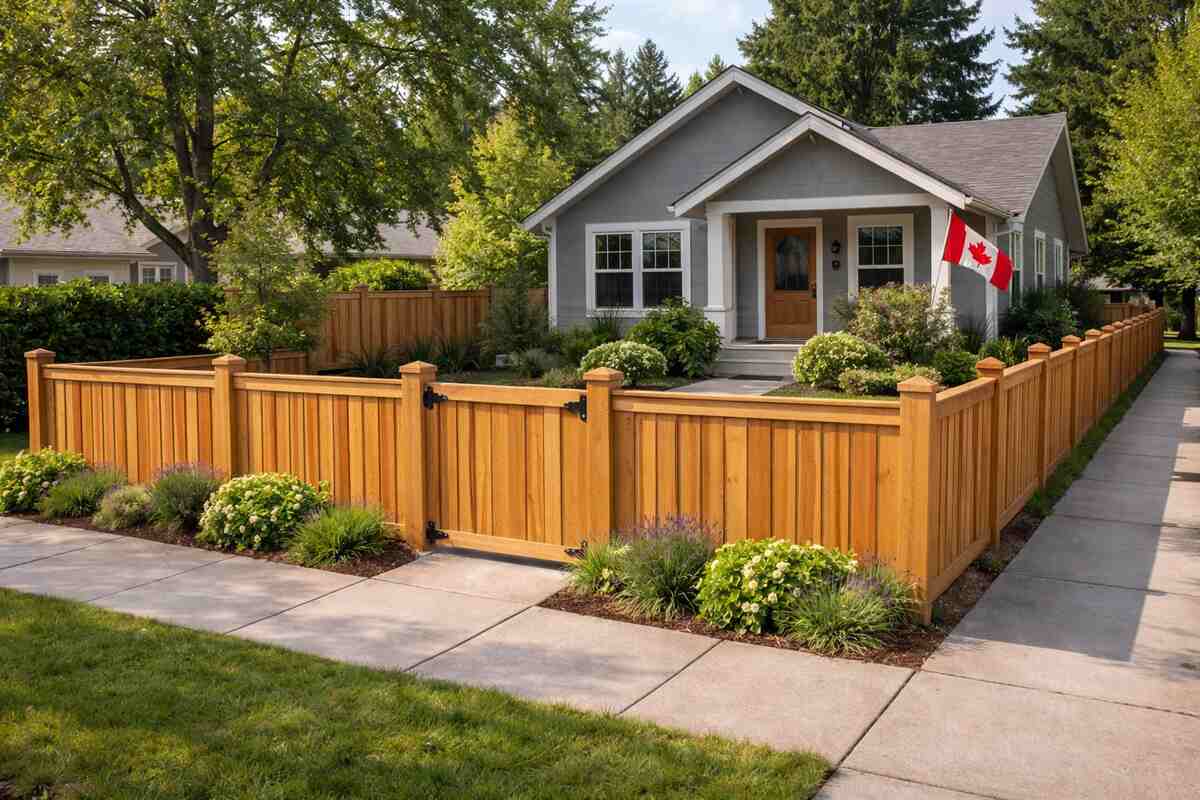
Western Red Cedar is a common fencing choice in Canada as it grows extensively throughout British Columbia. It is naturally rot-resistant and insect-resistant due to its oils and tannins, though sun and ground contact can still shorten durability without good drainage and finishing.
Cedar fences are visually appealing with their reddish hue and age gracefully as they weather to a silvery grey. Cedar is a sustainable option since it doesn’t require chemical treatment to stay relatively preserved and has a long lifespan of 15 to 25 years or more. It is soft wood though, so it can dent or scratch rather easily. It also costs more than cheap, pressure-treated wood.
Best Environmental Pick: FSC-Certified Local Wood
Get the Green Building Project Checklist
Use this handy checklist on your next project to keep track of all the ways you can make your home more energy-efficient and sustainable.
When purchasing FSC-certified local boards you’re doing two things. You help reduce the carbon emissions impact of transportation by buying locally and by purchasing wood with the FSC logo you’re getting wood that’s sourced using responsible forestry practices. If you’re hiring out a contractor to handle your fence installation mention to them that you want local and FSC-certified wood and they’ll try sourcing that for you. If you can get local, FSC-certified cedar, that’s the most sustainable option for new wood.
Best Reuse Option: Reclaimed Wood Where It Fits
If you’re open to used wood, opting for reclaimed wood salvaged from old buildings is generally the most sustainable option. Reclaimed wood is mainly an option for boards rather than posts since posts require high structural integrity, which can’t be guaranteed with reclaimed wood.
Since each board has a unique, weathered character, with natural grain, nail holes and colour variations reclaimed wood fencing has a rustic, one-of-a-kind look. While reclaimed wood can be durable, especially when sourced from old-growth timber, it may require careful selection and preparation, such as cleaning, de-nailing and sometimes treatment for rot or insects. Boards can vary in size and condition, which can complicate installation, but when used creatively – often combined with a strong frame – reclaimed wood provides a visually striking, eco-conscious fencing option.
What “Sustainable” Means for a Wood Fence
Sourcing, Lifespan and End-of-Life
A sustainable wood fence starts with sustainably sourced lumber, not just “natural” boards, and it treats forests as renewable resources when harvest and regrowth are managed. Look for the FSC logo to ensure wood is sourced responsibly (see the section below on FSC Certification for more on this).
Local matters, particularly with a bulky product like wood fencing that takes up a lot of space to ship. Wherever possible, buy locally, and next best is to buy from somewhere within Canada. You can check out our Buy Canadian Building Supplies guide for some options.
Service life is major factor in a product’s sustainability. Higher durability usually means fewer replacements, less milling and lower environmental impact over decades. Design and repairability also shape end-of-life waste, so look for details that allow part swaps and refinishing:
- Replaceable pickets and rails
- Fasteners that come out cleanly
- Drainage gaps that reduce rot
Where wood really shines is its reusability. When someone buying a plastic fence needs a new fence they usually end up dumping their old fencing because there’s not much recycling options available for plastic. Wood, on the other hand, can be reused in other projects or if it’s rotted out, it could be chipped up for mulch, composted or burned.
FSC Certification: What It Is and Why It Matters
How FSC Labels Show Responsible Forestry Practices
FSC certification is issued by the Forest Stewardship Council, an independent nonprofit that sets forestry and chain-of-custody rules tracking wood from the forest to the yard.
For a sustainably sourced fence, that third-party check matters because marketing language varies widely. Clear standards help limit greenwashing and let homeowners weigh environmental impact alongside price and appearance. The Forest Stewardship Council FSC certification standards explain the label claims in detail.
Questions to Ask a Supplier or Contractor
When you compare quotes, ask for documentation that matches what arrives on site:
- Certificate code and final product claim (FSC 100%, Mix or Recycled)
- Invoices showing chain-of-custody from mill through delivery to you
- Label shown on the quote or packaging, not only brochures
Canadian Climate Factors That Affect Wood Durability
Moisture, Rot and Freeze-Thaw Exposure
Canadian winters test fence durability more than species alone. Snow piled against pickets, splashback from roofs and soil that stays wet after thaws keep wood above the decay threshold. Good drainage, a bottom gap and post bases that stay out of standing water reduce rot risk considerably.
Freeze-thaw cycles also stress boards and posts in ways that compound over time. Moisture enters end grain, freezes, expands, then repeats which can open checks and loosen fasteners.
Sun, Wind, and Seasonal Movement of Boards
Sun and wind dry surfaces fast, then rain rewets them, so boards move seasonally. Low maintenance claims are realistic for well-ventilated panels with capped end grain and periodic cleaning. However, they are less realistic in shaded yards, near sprinklers, or where ground contact is unavoidable, even with eco-friendly fencing materials.
In coastal areas, salt spray can speed corrosion on ordinary hardware, which ties directly into the Build Details section below.
Choosing Locally Sourced and Crafted Wood in Canada
Why Local Sourcing Can Reduce Impact and Delays
Local mills and shops shorten shipping routes, which can lower transport emissions and make chain-of-custody paperwork easier to confirm. Regional sourcing also reduces delivery uncertainty that can stall installation.
Using species suited to local conditions, such as cedar, helps match moisture and temperature swings. When boards and rails follow common regional standards, homeowners can source replacement parts quickly, which supports repairs and keeps environmental impact lower while treating forests as renewable resources over time.
Build Details That Make a Wood Fence Last Longer
Posts and Footings That Handle Frost and Water
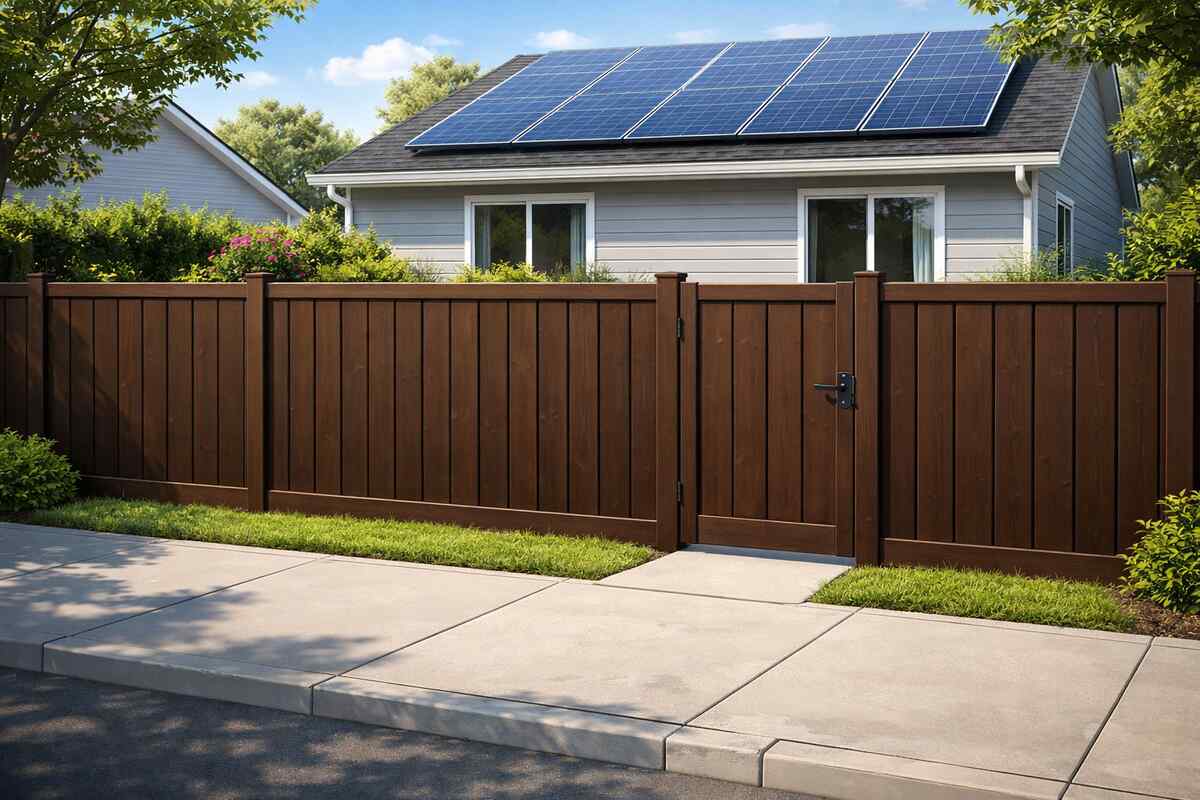
Durability starts below grade. Set footings below local frost depth and slope soil so runoff drains away from the fence line. Use post bases or gravel collars to keep end grain off wet concrete and leave a bottom gap so pickets stay off the ground and dry faster.
Hardware Choices That Prevent Staining and Failure
For eco-friendly fencing, match sustainable fencing materials with corrosion-resistant hardware. Choose stainless or hot-dip galvanized fasteners to reduce rust and black streaks. Ring-shank nails or exterior screws hold better as boards move through freeze-thaw cycles over time.
Adding rail caps, consistent spacing and airflow behind boards helps panels shed water and limit rot, which extends the lifespan discussed in the maintenance section below.
Maintenance for Sustainable Wood Fencing, Season by Season
Annual Inspection and Small Repairs That Prevent Waste
Plan quick checks in spring after thaw and in fall before snow stays. Catching small issues early protects durability and keeps boards out of landfill, including reclaimed wood panels that can be harder to match later.
Focus on:
- Post bases and soil grade where water pools
- Loose fasteners, cracked rails and gate sag
- Rot-prone zones near sprinklers, mulch and shaded corners
Cleaning and Finishing With Lower-Impact Products
Low maintenance does not mean no maintenance, so wash gently with a brush, mild soap and low-pressure water to avoid tearing fibres. Rinse onto gravel or a tarp when possible to limit environmental impact in garden beds and avoid chlorine bleach or harsh degreasers.
Recoat when water stops beading or surfaces look dry, using low-VOC stains or water-based sealers. This routine also influences backyard fence cost factors over time, making regular upkeep a smart investment.
Read more on this topic in How to Choose the Right Fence for Your Backyard
Images from Depositphotos