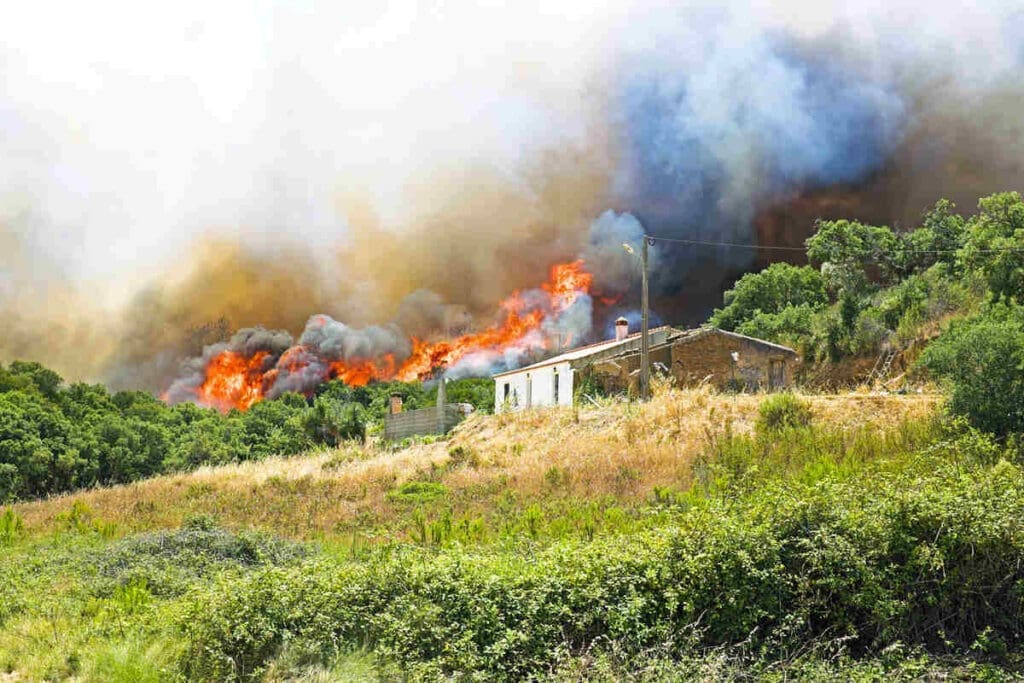

With approximately $1B worth of damage done, this past summer in Toronto was one of the costliest in the city’s history in terms of water damage. As the effects of climate change continue to instigate extreme weather conditions and flooding, there will be an even greater need for sustainable water damage restoration and remediation services as damages increase.
Restoration processes have traditionally required heavy water and energy consumption. Still, new and more sustainable techniques can resolve the adverse effects of water damage using more environmentally friendly methods.
Technological improvements in instrumentation to locate and measure moisture content and the introduction of environmentally friendly cleaning agents have resulted in a far healthier remediation process.
Let’s examine some healthy options to counteract the results of water damage.
Sustainable Ways to Accelerate the Drying Process
- Remove all furniture, carpet and other water-damaged items. It’s critical to open the area as much as possible, so try to remove all items that could restrict airflow.
- Open the windows to allow as much air as possible to flow through the rooms.
- Electric fans are a great help in getting airflow through the rooms. They are energy efficient and can play a leading role in getting the moisture outside.
- Dehumidifiers with Energy Star certification are super-efficient at reducing the moisture content in your home. They achieve a high sustainability rating by having more efficient refrigeration coils, fans and compressors.
- Use sustainable water absorption materials. Wood chips, straw and cotton waste are all-natural products that can absorb the water residue from flooded areas.
- Wet-dry shop vacs are good at mopping up the last of the water left in the building after flooding.
- Pump the water out. A growing variety of submersible pumps can run on solar power. Submersible pumps are generally more efficient when located in a sump, and the outlet from the pump should be positioned far enough away from the building to ensure efficient discharge. Many submersible pumps have a float switch attachment that activates the pump automatically, which allows the pump to run without supervision. The pump will switch off automatically once the water has been pumped out.
- A syphon system is one of the most sustainable ways of removing water from a flooded room. Positioning the outlet of an open pipe lower than the submerged inlet and applying a short vacuum to the pipe will set up the removal of the water without any energy being used.
Enzyme Drain Cleaners
Drainage systems often cannot cope with the excessive water volumes caused by flooded buildings, which results in the pipework becoming blocked with foreign matter. Clearing blocked drains is essential to remove water from flooded buildings and promote restoration.
Get the Green Building Project Checklist
Use this handy checklist on your next project to keep track of all the ways you can make your home more energy-efficient and sustainable.
Enzymes are an environmentally friendly way to unclog drains. They slowly consume the solid waste that blocks the pipes, however, they are not as fast as some acid-based drain cleaners, so you will need to give them a couple of hours to work their way through the offending matter blocking the pipes. Letting the enzymes work their magic overnight typically ensures success.
Don’t be tempted to use an enzyme cleaner together with a disinfectant cleaner, as the cleaner will kill the enzymes.
Benefits of Enzyme-Based Cleaners
- Non-corrosive
- Soluble in water
- Biodegradable
- Long-lasting application
Solar-powered Ventilation Systems
Stand-alone ventilation units fitted to the roofs of domestic and industrial buildings consist of a solar panel that provides electricity to a DC-powered fan with a brushless motor. These units are highly effective at removing humidity and reducing temperatures in attics. The compact units are easily fitted and sealed to prevent leaks. By drawing hot air from attics, they perform an efficient and sustainable function in reducing humidity levels and exhausting the hot air out of the building.
Efficient Extraction Methods

Traditional extraction methods for removing water from flooded buildings involve using gas-powered pumps. These pumps are useful for rapidly removing water from flooded buildings. Once as much water as possible has been removed, dehumidifiers are installed to remove the remaining moisture that has soaked into the structure.
However, there’s a more sustainable alternative to gas: solar-powered dehumidifiers. Self-contained units operate with a built-in solar panel and battery. They often combine a dehumidifying function with an antibacterial filter to remove harmful substances from the air.
Natural Ventilation and Fans
Promoting natural ventilation and stimulating air circulation can reduce the use of high-energy-sapping equipment. Cross ventilation is an efficient method to accelerate building drying out. Allowing air to enter the building and exit on the opposite side creates an airflow that removes moisture.
Electric fans are energy efficient and are often used to enhance the airflow through the building and assist in the restoration process.
The interior spaces of cupboards and drawers also need to be dried out, but these spaces are often too small to accommodate drying equipment. A sustainable option is to place small bowls of baking soda in these spaces and remove them once the baking soda has absorbed the moisture and hardened.
Closed Loop Cleaning Process
This process aims at substantially reducing the amount of water used in the cleaning process by recirculating the water through filters and reusing it in the washing process. In pipework applications such as cleaning HVAC systems, the system is flushed initially with solvents to remove any buildup in the pipes, and this water is then filtered and reused to rinse the pipes of any impurities.
A similar system works with floor washing units that initially dispense water with detergents and subsequently collect the dirty water, filter it and treat it with microorganisms to reuse it in the cleaning process.
IoT-enabled Moisture Monitoring
Restoring buildings and materials that have suffered water damage requires accurately assessing the moisture content within walls, floors or containers holding material. Monitoring sensors can transmit moisture readings to a central data collection point, where the information is analyzed.
In automated systems (Internet of Things), corrective action can be activated should sensors record moisture content levels higher than usual. This minimizes the damage that could result from water leaks, as corrective action can be taken before substantial damage occurs.
IoT systems are increasingly used to detect moisture in buildings caused by hurricane damage in the states bordering the Atlantic coast of the United States.
Natural Antimicrobial Treatment
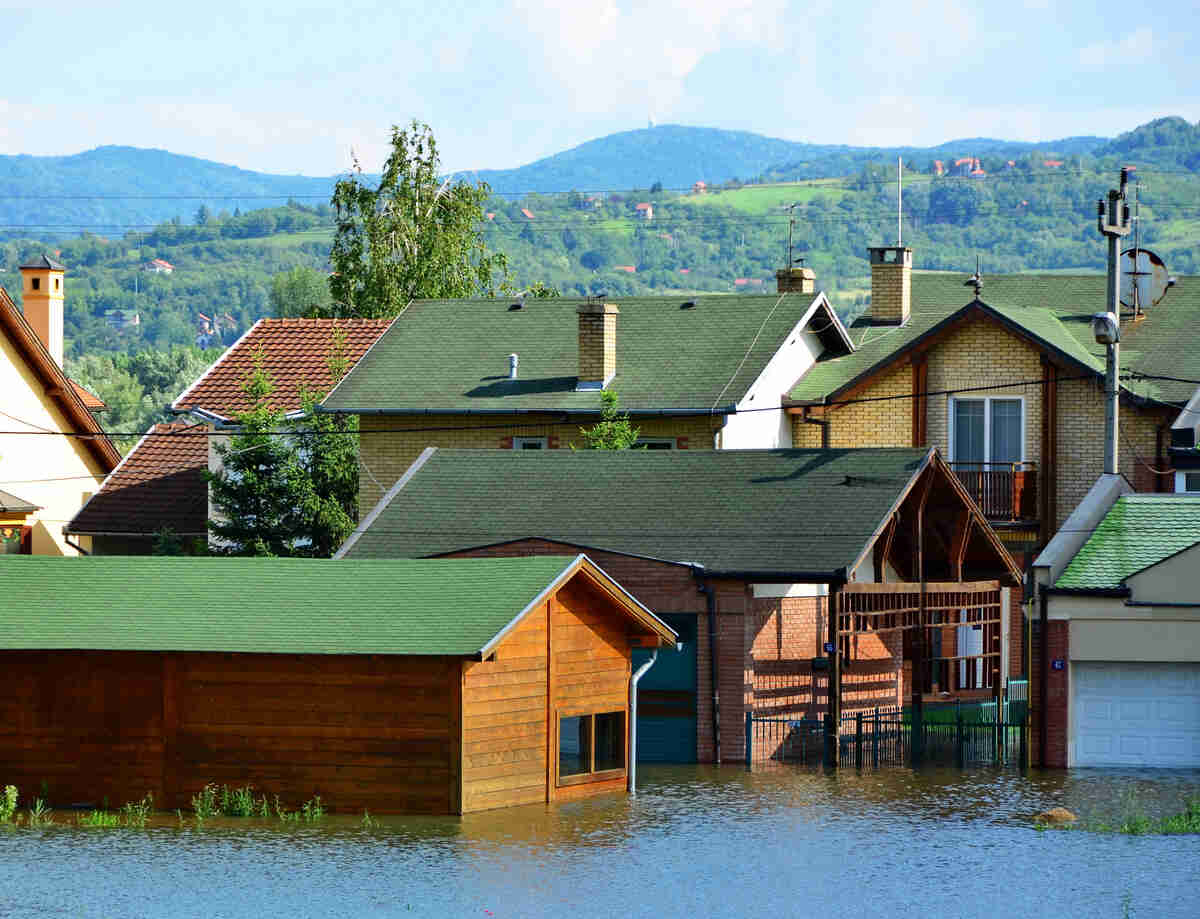
Extreme weather frequently damages water treatment equipment, and the flooded equipment fails to treat the drinking water supply adequately. The World Health Organization records the death of millions of people annually due to microbial infections in untreated water.
While chlorine is frequently used to kill many of the microorganisms responsible for health risks, the use of chlorine in itself is a substantial health risk, and natural antimicrobial substances are increasingly seen as a preferred alternative.
Natural oils such as tea tree oil, thyme oil, lemon juice and vinegar are recognized as antimicrobial agents, and microfibre fabrics efficiently remove bacteria and spores from water.
Organic Vapour Barriers
Water in its gaseous state can significantly damage buildings and foodstuffs. High humidity (large amounts of water in a gaseous state) will result in condensation on cooler areas.
When buildings have suffered water damage, the same barriers may serve as retention barriers, restricting moisture from exiting the building. This is especially significant in areas like flooded basements, where the vapour barrier will limit moisture removal. High humidity levels due to flooding in basement areas often lead to problems with mould growing on floors and walls.
One of the better sustainable vapour barrier options is to protect the building using eco-paints. Although more expensive, these paints contain natural and non-toxic substances and natural plant-based binders. They have limited vapour barrier properties and allow the building to breathe, so their application is limited to areas of minimal water ingress.
A latex-based vapour barrier paint is more effective for areas requiring greater protection. As latex is a natural product, it contains lower levels of VOCs (volatile organic compounds).
Mould Removal After Water Damage
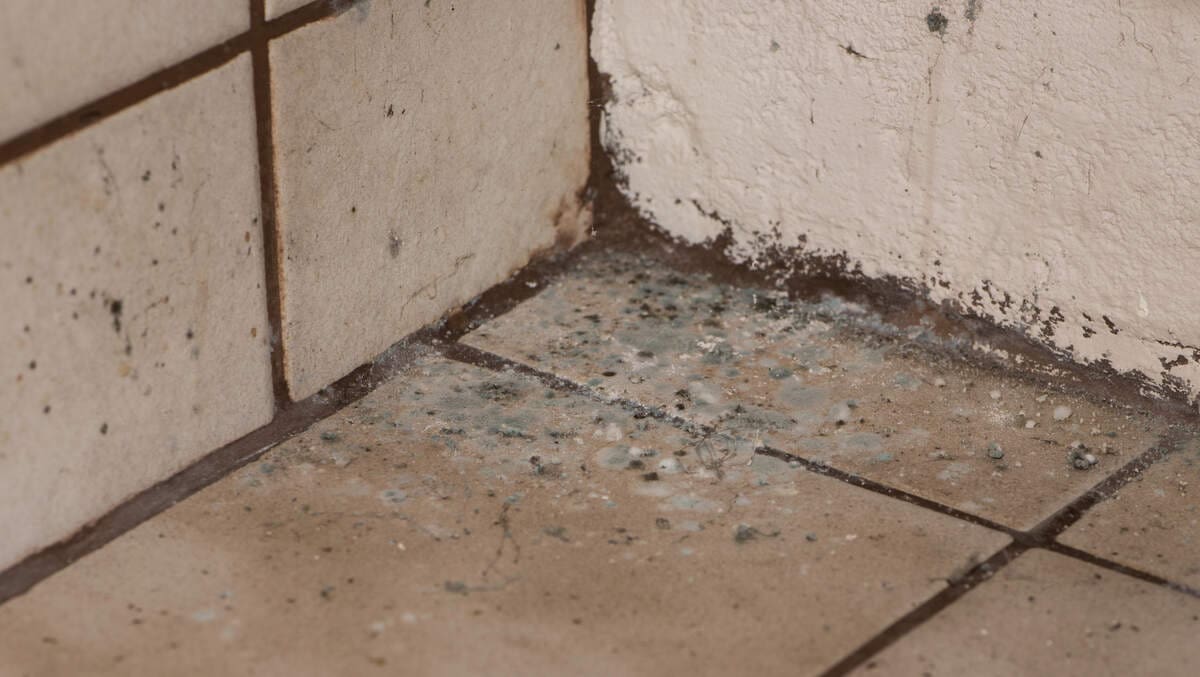
Anti-bacterial paints prevent mould, mildew and bacteria from forming on surfaces. They contain biocides and fungicides to counter the growth of harmful bacteria and viruses.
Bleach is often suggested as an ideal cleaning agent for mould, but it comes with a health warning. Vinegar is a far more environmentally friendly product that effectively counteracts mould growth.
Want a pro to handle the cleanup? Read our article The Average Cost of Mould Inspection and Remediation in Canada to get an idea of the costs involved.
Images from Depositphotos