
Sustainable Septic Systems
How Proper Maintenance Protects Groundwater and the Environment

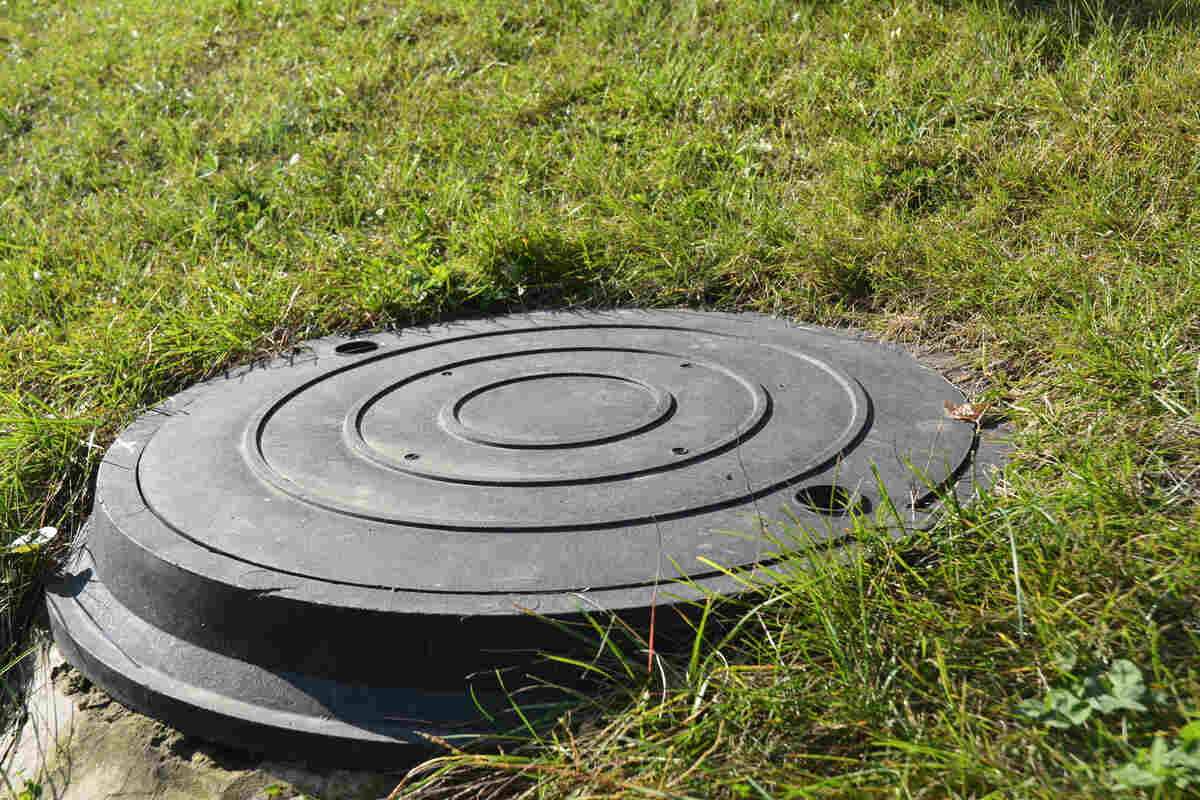
For many homeowners living outside municipal sewer networks, a septic system is out of sight and out of mind until something goes wrong. But a septic system is more than just a waste solution. When it’s designed and maintained properly, it quietly treats wastewater on-site, protects drinking water and supports a healthier local ecosystem. When it’s neglected, it can contaminate wells, streams, and soil, and create expensive, stressful emergencies.
That’s why choosing a knowledgeable septic services company and following a maintenance plan is not just about convenience. It’s an important part of environmental responsibility and long-term property care.
How Septic Systems Work With Nature
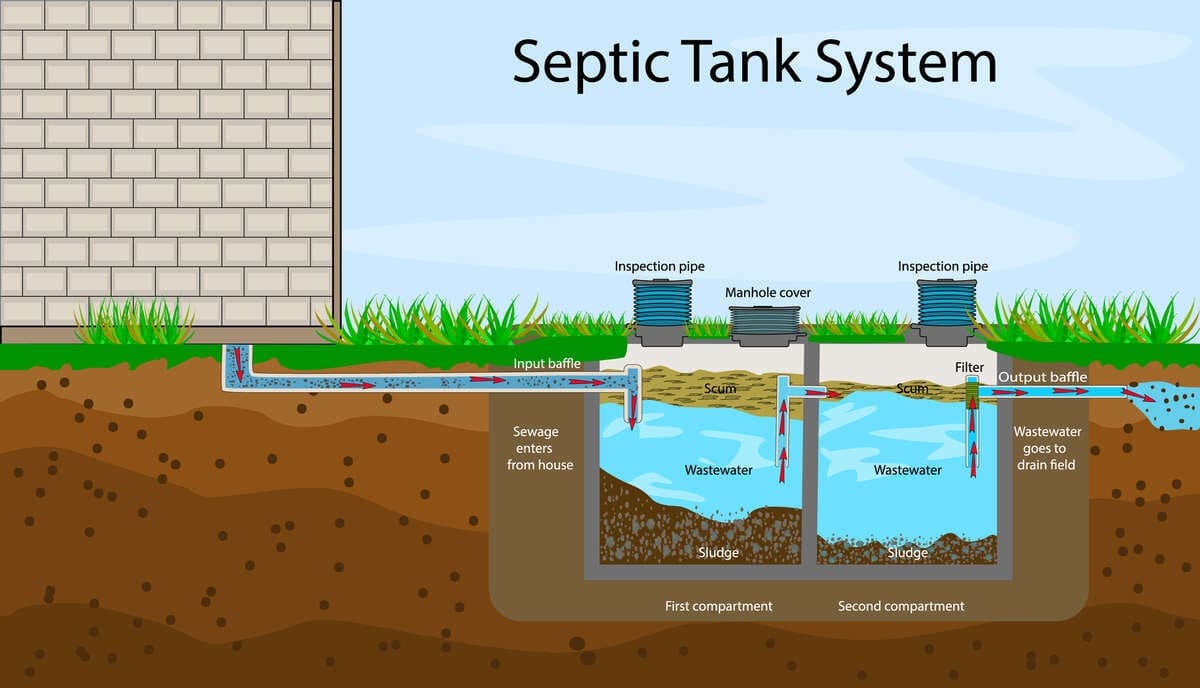
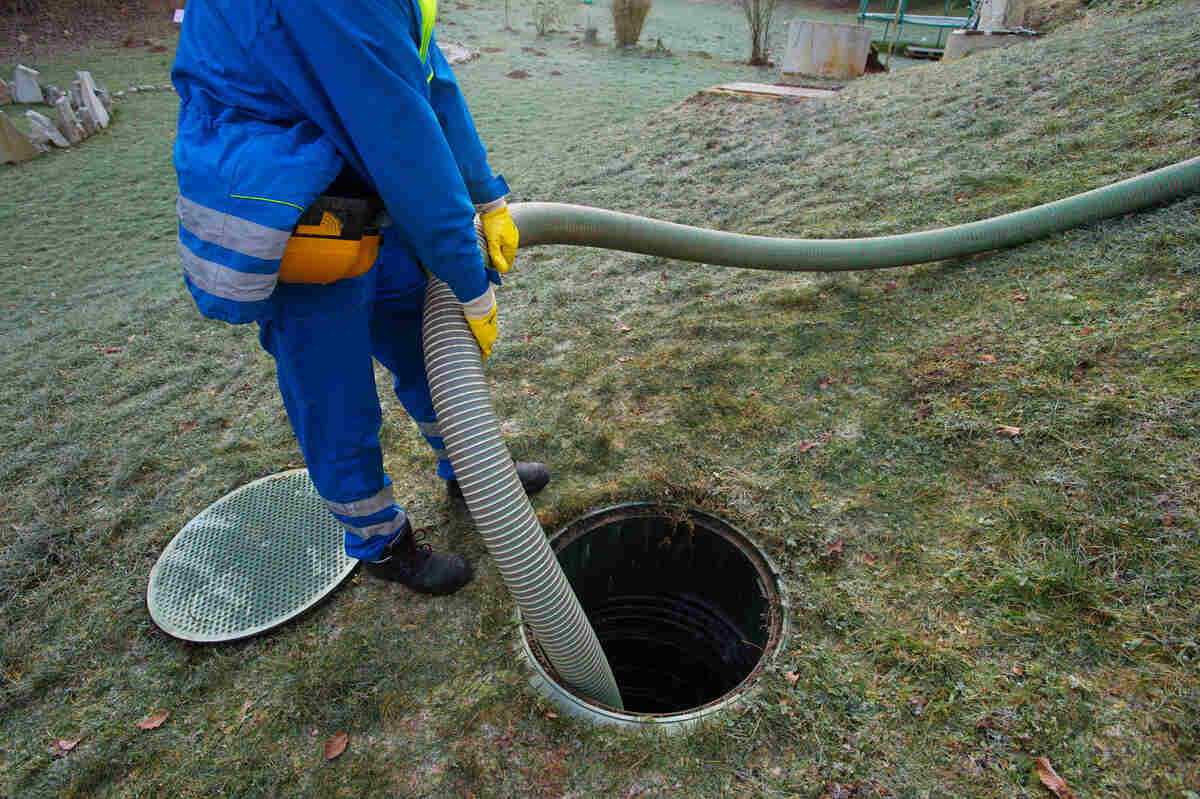
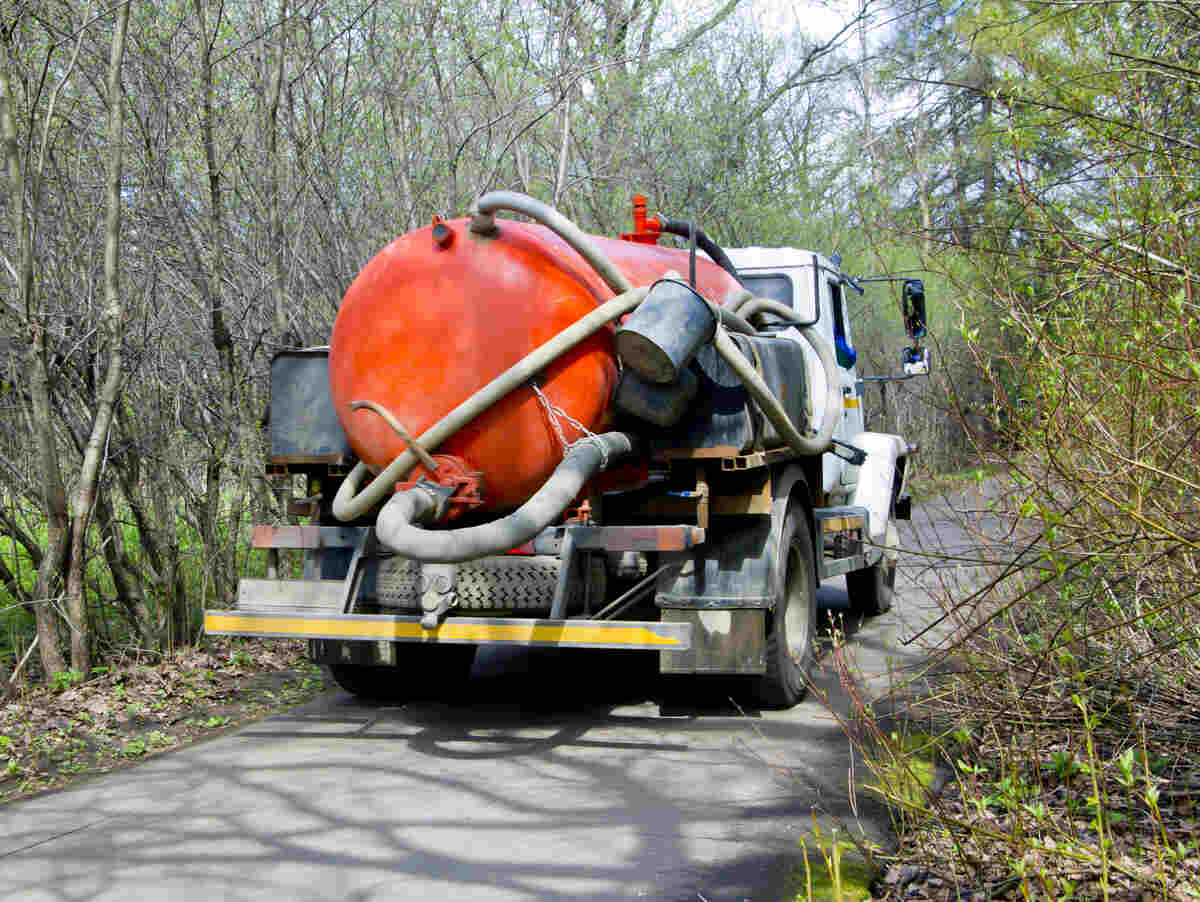
A typical septic system uses a combination of mechanical and biological processes to treat wastewater right on the property. Wastewater flows from the home into the septic tank, where solids settle to the bottom and fats and oils float to the top. Naturally occurring bacteria break down much of the organic matter. The rest that isn’t broken down you need to get a septic company to come extract every few years.
From there, partially treated water flows into the drain field, where it slowly filters through the soil. As the water moves through the ground, soil and microorganisms remove pathogens, nutrients and contaminants before the water eventually reaches groundwater.

Get the Green Building Project Checklist
Use this handy checklist on your next project to keep track of all the ways you can make your home more energy-efficient and sustainable.
When everything is functioning well, this is a very sustainable system. Wastewater is treated locally, energy use is minimal, and there is no need for massive treatment plants or long sewer lines. Problems begin when maintenance is ignored and the system can no longer do its job effectively.
Why Groundwater Protection Matters
In rural and semi-rural areas, many households rely on wells and aquifers for drinking water. If a septic system fails, untreated or partially treated wastewater can leak into the surrounding soil and eventually reach groundwater. That wastewater can carry bacteria, viruses, nitrates, phosphates and household chemicals.
The consequences can be serious. There are health risks as pathogens in contaminated water can cause gastrointestinal illnesses and other infections. Excess nutrients can also fuel algae blooms in nearby ponds and lakes, reducing oxygen levels and harming fish and other wildlife.
And to replace a failed system is costly. It can easily run into the tens of thousands. Even more to clean up a contamination issue.
Proper maintenance is far less expensive than dealing with the fallout of a failing system and helps keep local water sources safe for neighbours, wildlife and future generations.
5 Essential Maintenance Practices for Septic Systems
Thoughtful care doesn’t have to be complicated. A few consistent practices go a long way towards protecting both the system and the environment.
Regular inspections – Have the system inspected on a schedule recommended by a qualified professional. Inspections can catch early warning signs such as slow drainage, tank damage or saturated areas in the yard before they become full failures.
Pumping on an appropriate schedule – Over time, solids build up in the tank. If they are not removed, they can overflow into the drain field and clog the soil, reducing treatment effectiveness. The ideal pumping interval depends on tank size, household size and water use, but many homes benefit from pumping every three to five years.
Protecting the drain field – Avoid driving or parking on the drain field and do not build decks, sheds or paved surfaces over it. Compaction and structures reduce its ability to absorb and treat wastewater. Plant only shallow-rooted grass or groundcover above the field to prevent root damage.
Water conservation inside the home – The less water the system has to process, the more effectively it can treat what it receives. Low-flow fixtures, fixing leaks and spreading out laundry loads reduce hydraulic stress and lower the risk of overloading the drain field.
Being careful with what goes down the drain – Harsh chemicals, grease, wipes and non-biodegradable items can disturb the natural bacterial balance in the tank or clog pipes. Choose septic-safe cleaning products where possible and avoid flushing anything other than human waste and toilet paper.
Eco-Friendly Choices That Support a Healthy System
Sustainable septic care also includes everyday lifestyle decisions. Switching to biodegradable, low-phosphate detergents and cleaners reduces the chemical load on the system and local waterways. Opting for concentrated products can cut down on packaging waste and practicing mindful water use in the kitchen and bathroom lowers strain on the tank and drain field.
Homeowners planning renovations or additions should consider their septic system early in the design process. Adding extra bathrooms, installing a large soaker tub or finishing a basement suite may change how much wastewater the system has to manage. Involving a septic professional at the planning stage helps ensure the system can handle the increased demand without compromising groundwater protection.
Recognizing Warning Signs Before They Become Disasters
Even with good habits, things can change over time. Tree roots can invade lines, tanks can deteriorate and soil conditions can shift with years of freeze-thaw cycles and heavy rainfall. Paying attention to early warning signs can prevent environmental damage and major repair bills:
- Persistent wet spots or lush, unusually green patches above the drain field
- Sewage odours near the tank or in the yard
- Drains in the home are backing up or gurgling frequently.
- Toilets that flush slowly or inconsistently
If any of these show up, it is important to act quickly. Prompt attention reduces the risk of untreated wastewater moving into nearby wells, ditches or surface water.
A well-maintained septic system is one of the quiet heroes of a sustainable home. It treats wastewater on-site, supports clean groundwater and reduces the need for energy-intensive central infrastructure. Putting care into conducting inspections, pumping, water conservation and making sure to put only the right things down the drain protect both property and the environment.
Read more on this topic in Septic Tank Maintenance for Homeowners 101.
Images from Depositphotos
