
Sustainable Rugs
An Eco-friendly Alternative to Synthetic, Mass Produced Rugs Attractive

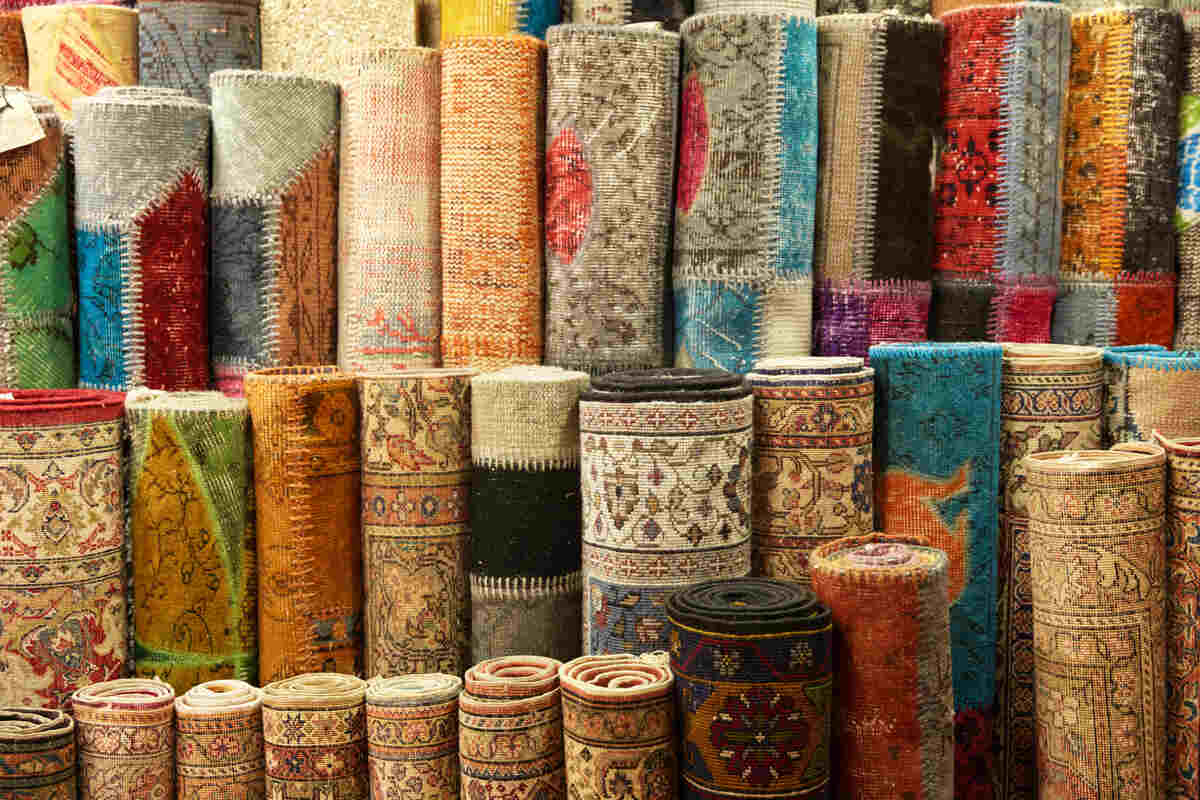
What a lot of today’s homeowners don’t realize is that designing a green home goes so much further than simply installing solar panels or energy-efficient appliances.
Nowadays, people are making conscious purchasing decisions that take into account the long-term carbon footprint of the products they purchase and the materials that go into those products.
One often-overlooked aspect of sustainable interior design is area rugs. Today’s synthetic, mass-produced rugs come at a cheaper price point, but they also have serious environmental consequences. On the other hand, traditional and sustainable rugs, such as Turkish rugs, are typically made from natural dyes and fibres, which are now increasingly seen as an ethical, eco-friendly option that follows green principles.
According to Turkish rug specialists there are quite a few ways that a homeowner’s choice of rug can contribute to a more sustainable, healthier home and planet. This article looks at seven of them, with a focus Turkish rugs, though much of the same could be said for other sustainable rugs that share the same characteristics.
Natural Rug Materials Support Healthy Households
Authentic Turkish rugs derive from natural fibres like cotton, wool and silk, all of which are biodegradable and fully renewable.

Get the Green Building Project Checklist
Use this handy checklist on your next project to keep track of all the ways you can make your home more energy-efficient and sustainable.
Unlike popular, synthetic rug fibres like polyester and nylon, these natural materials don’t release an exorbitant amount of microplastics into the atmosphere during manufacturing.
Wool is especially popular among Turkish area rug artisans, and this is mainly because some of the best wool in the world comes from Turkey. And for eco-conscious homeowners here in Canada, high-quality wool rugs aren’t just beautiful, they’re also a long-term investment into a home’s healthy living environment as they can help regulate indoor humidity levels (wool is hygroscopic so it absorbs and releases moisture) and they are hypoallergenic, which contributes towards better indoor air quality (IAQ).
Low-Toxicity, Plant-Based Dyes
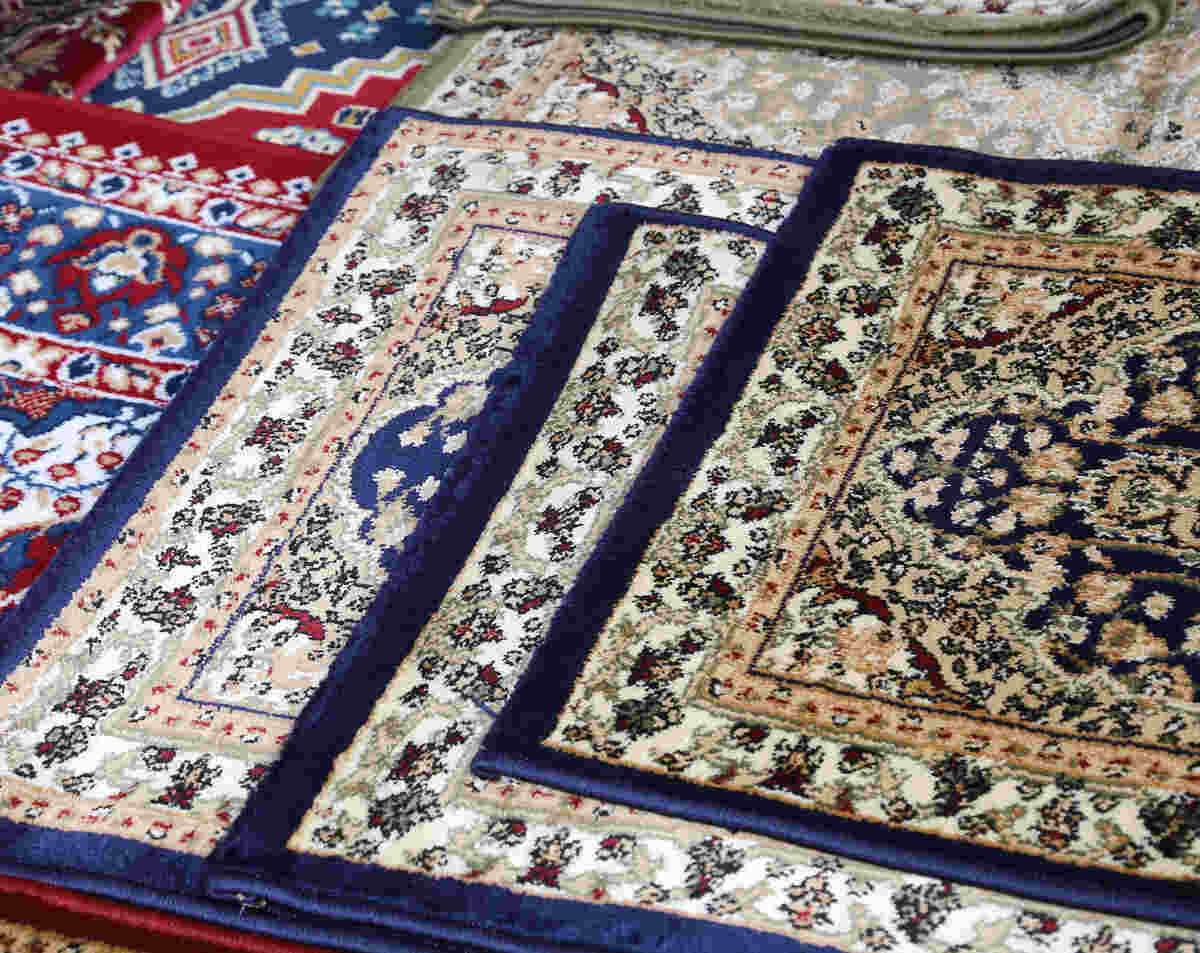
Another hallmark characteristic of today’s Turkish area rugs is their use of plant-based and natural vegetable dyes.
These dyes derive from bark, flowers, roots and minerals – and they’re an incredible, eco-friendly alternative to the toxic chemicals that are typically used while dyeing synthetic rugs.
This use of natural dyes is a huge boost for a home’s IAQ, and it’s a sought-after décor element for homeowners who want to minimize their exposure to volatile organic compounds (VOCs).
Traditionally dyed Turkish rugs end up being a much safer choice for pets, children and anyone who is sensitive to chemicals.
Rugs Built For Long-Term Use – Not Landfills
Another key aspect of all sustainable living is durability, which is why today’s eco-conscious homeowners are prioritizing products that won’t be thrown away anytime soon.
Authentic Turkish carpets fall into this durable décor product category because they’re known to last for generations. This is one reason why high-quality area rugs are often family heirlooms, and it’s safe to say that they’re the exact opposite of disposable décor!
This makes Turkish rug investments a circular model of consumption, and the end results are dramatically less waste in comparison to the fast-fashion décor products that unfortunately are very popular these days.
Supporting Ethical Practices & Artisan Economies
Another thing that’s important for eco-conscious homeowners to understand is that sustainability isn’t just about materials and purchasing decisions, it’s also about people.
Turkey has some of the longest-lasting artisan traditions that have been passed down for centuries in rural communities. Investments in today’s rug industry directly support the livelihoods of these incredibly talented craftspeople.
Not only does this bolster cultural heritage, but it also counters the many exploitative labour practices associated with mass-produced area rugs. So, Canadian homeowners are subsequently supporting ethical and fair trade supply chains when they invest in authentic Turkish rugs.
Improved Energy Efficiency
Beyond cultural and aesthetic values, Turkish carpets also play a supporting role in boosting a home’s overall energy efficiency.
This is largely due to wool and other natural rug fibres acting as insulators, which can help maintain indoor temperatures, particularly during frigid winter days. However, these insulating properties also boost efficiency during the summer months as well by regulating indoor humidity levels.
Rugs are especially helpful in making the room feel more comfortable. They keep your feet feeling warm when you walk on what would otherwise be a cold floor.
Although these insulating effects may seem subtle, they help households go one step further toward successful eco-living!
Timeless Interior Styles Reduce Overconsumption
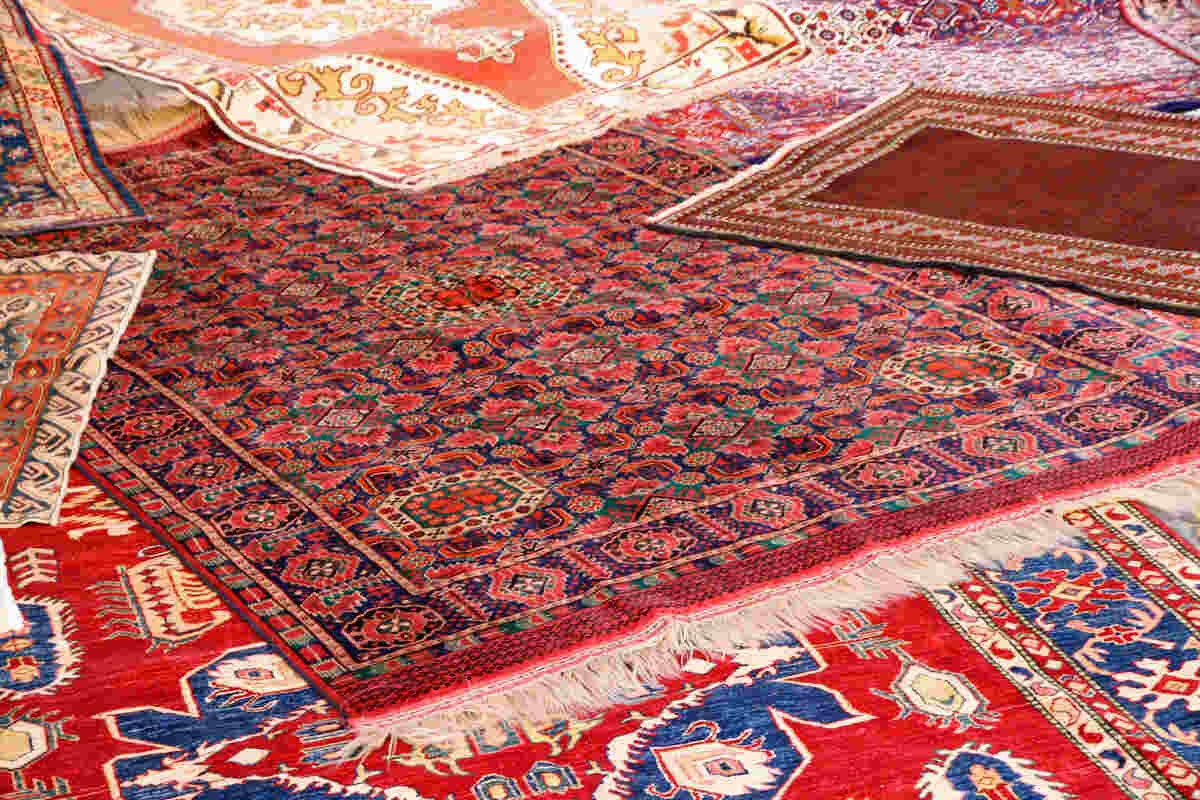
It’s normal for home décor trends to come and go with fashion cycles; however, Turkish rugs have truly stood the test of time in terms of providing homes with a timeless aesthetic appeal.
From a sustainability standpoint what’s great about timelessness is that it helps combat the ongoing plague of overconsumption, which happens to be one of the biggest contributors towards environmental degradation.
Rather than replacing area rugs every now and again to keep up with fashion trends, homeowners can invest in a Turkish rug and know that it’ll always be in vogue!
The Ongoing Role Of Turkish Rugs In Sustainable Design
From a sustainable design standpoint, Turkish rugs closely align with biophilic design principles, which emphasize organic textures, natural materials and cultural authenticity (learn more about biophilic design in The Basics of Biophilic Design).
The use of plant dyes and wool along with artisanal craftsmanship provide homeowners with a unique blend of history and nature, which helps enrich eco-living’s many psychological benefits.
This is why countless interior designers who are working on green building projects are utilizing handwoven area rugs more and more to develop sustainability and softness within their properties.
Read more on this topic in Your Options for Eco-Friendly Carpeting.
Images from Depositphotos
