Finding the right kind of wall finish can make your head spin when you consider all the highly toxic VOC-containing paints out there. If you’re looking for a green and clean interior wall finish, then stick around. We’re going to have a look at some of the best types of sustainable interior finishes to make those walls pop without causing harm to the environment or your health.
Recycled Content Wallpaper
Starting off with something simple, recycled content wallpaper is an eco-friendly and stylish option for your interior walls. Post-industrial and post-consumer materials such as reclaimed plastic, recycled paper and old textiles are used to produce recycled wallpaper. So it helps keep waste out of landfills and reduces the need for raw materials to be used.
To take waste reduction to the next level, if you move out you can take your wallpaper with you if you use a particular kind of wallpaper like magnetic wallpaper or peel and stick wallpaper.
Waste reduction is just one of the benefits of this kind of wallpaper. Producing recycled content wallpaper also requires less energy in production than regular wallpaper, yet there’s still just as much design variety.
Since wallpaper with recycled content is made with eco-friendliness in mind, many varieties are produced with water-based inks and adhesives that have few volatile organic compounds. At the end of their life recycled wallpaper can also be recycled into new products (to improve the recyclability rate adhere them to walls using a water-based adhesive).
Natural Paint

Get the Green Building Project Checklist
Use this handy checklist on your next project to keep track of all the ways you can make your home more energy-efficient and sustainable.
Another option that you have at your disposal is natural paint. Unlike regular paints that contain a variety of toxins and synthetic chemicals, natural paint is made from natural materials like earth pigments, clay, plant oils and chalk.
Since they’re made without the use of any toxins or harmful chemicals means that they either release no or very little VOCs into the air. They also tend to be biodegradable, so they don’t harm the environment during their production, use or afterlife.
Natural paints allow walls to breathe, which contributes to proper humidity regulation. The fact that there are so many different earthy colour options to choose from is just an added bonus.
Low-VOC / No VOC Paint
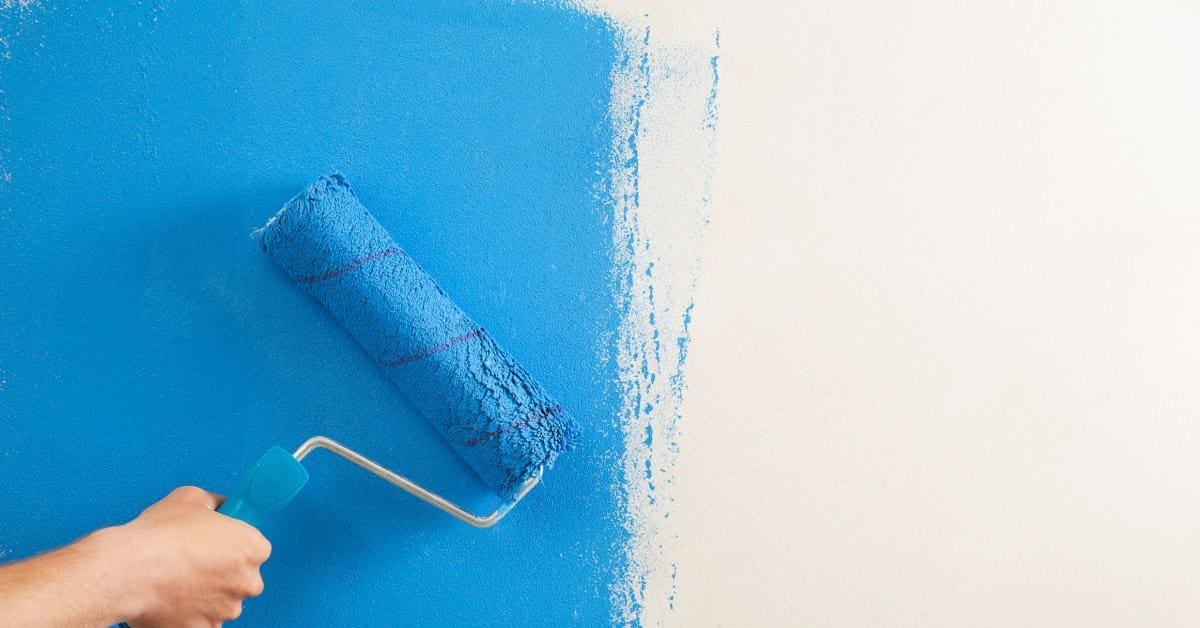
With conventional paint, volatile organic compounds release into the air during application and while curing. These fumes can cause headaches, dizziness and respiratory issues and can be toxic. It’s not just indoor air they’re worsening. They also add to air pollution by contributing to smog and ground-level ozone.
There are, however, special paints that are formulated to emit virtually no volatile organic compounds. Low-VOC and no-VOC paint may still be made with synthetic materials, but they’re healthier than regular paint.
Low-VOC paint generally contains 50 and 150 grams per liter (g/L) of VOCs and they perform similarly to conventional paint in terms of coverage, drying time and durability. No-VOC paint can contain 5 grams per liter (g/L) or less VOCs. Because of this, they can appear less vibrant or otherwise not perform as well as low-VOC paints, but new formulations are being developed that have been closing the gap.
Overall, these paints generally produce a very long lasting and durable finish, and are also widely available. Something else that you may appreciate about this type of paint is that it generally has little odour, which allows for a much more enjoyable painting process.
Natural Plaster
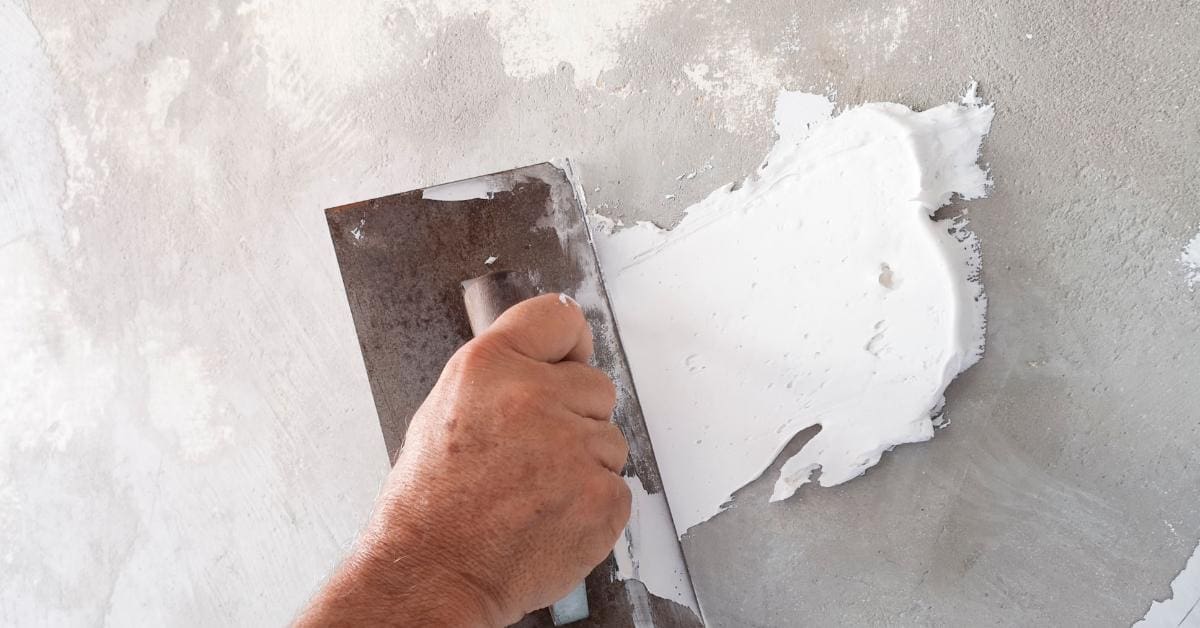
Instead of using cement plaster, which can cause respiratory issues from dust inhalation and skin irritation, try clay or lime plaster. These plasters are made from natural, renewable materials that can often be sourced locally.
Many people enjoy this type of wall finish because it has a low environmental impact, which is true both during the production and extraction phase. Just like with the natural paints we discussed above, natural plaster also allows your wall to breathe, reducing condensation and regulating humidity.
What also stands out about natural plaster is that it has good thermal mass and some insulation properties, so they can absorb heat during the day and release it at night, resulting in lower heating costs in the winter. It also results in lower cooling costs in the summer because it takes a lot of time for the walls to heat up and transfer the heat into the building. This allows homes made with natural plaster to have good indoor temperature regulation and energy efficiency.
Cork
When it comes to natural looking wall finishes that are also eco-friendly, you can’t get much better than cork. Cork is a highly sustainable material that continues regrowing even after it has been harvested since cork trees don’t need to be cut down to harvest the cork.
Cork is also an ideal material because it insulates well, both in terms of sound and heat. This can therefore help reduce your overall heating and cooling needs, while also resulting in a quieter home. Cork is also highly resistant to mould, mildew and moisture and can generally be recycled.
Bamboo Panels
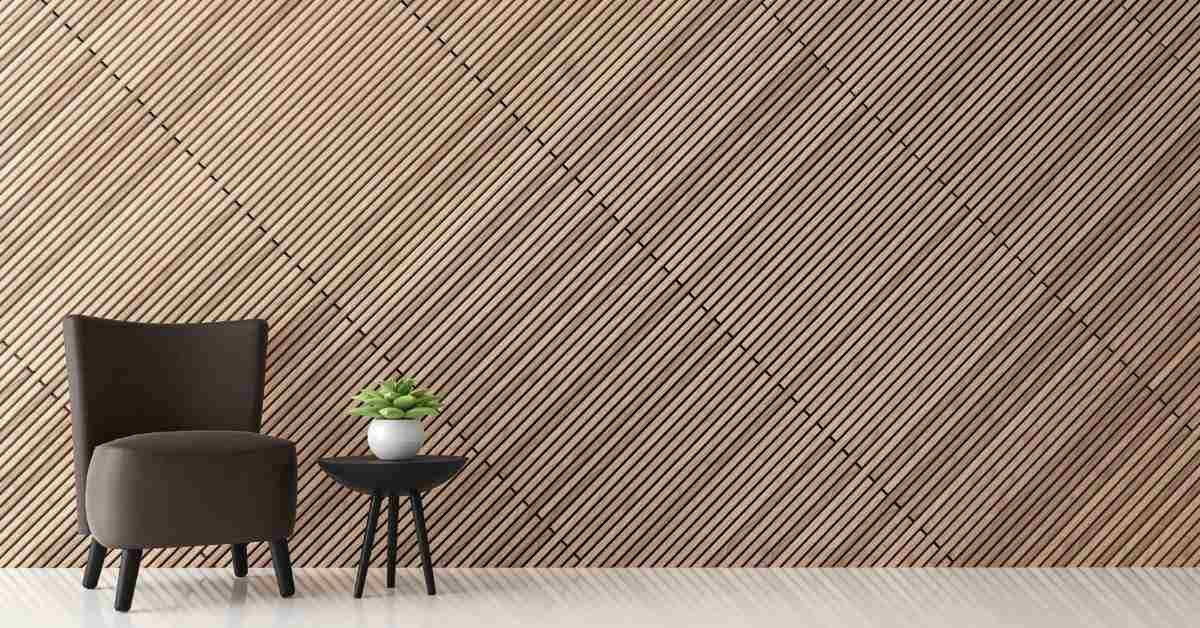
If you like the look of wood, but you want something even more sustainable, then bamboo is a great way to go. Being a grass, bamboo grows very rapidly so it can be harvested within just 3 to 5 years after planting unlike trees which take decades to mature.
Also worth noting is that bamboo is an extremely strong material that can take a beating, making it a particularly useful material to have on the wall where there is high traffic.
Bamboo is also moisture resistant, easy to maintain and has a modern and sleek appearance that many people appreciate.
Reclaimed Wood
Perhaps one of the most eco-friendly ideas as far as interior wall finishes are concerned is to use reclaimed wood from other buildings, barns or wherever else it can be found.
This wood can often be sourced locally and despite it being old, it’s often even better quality than new wood since it tends to come from old growth trees, making it more durable and resistant to warping and shrinking.
Reclaimed wood solves two problems. Since you’re reclaiming material that would otherwise go to landfill or recycling or get burnt and enter the atmosphere, you’re reducing waste. You’re also preventing new material from getting extracted from the Earth and manufactured.
Eco-Friendly Wall Panels
If you want a wide selection of products that minimize harm to the environment, consider eco-friendly wall panels. They can be made of a variety of natural fibres, recycled plastic or even agricultural waste and are made to emit no- or low-VOCs.
Moreover, there are some eco-friendly panels that are designed specifically to have great insulation properties. Overall, these types of wall finishes can also be quite durable while being affordable at the same time.